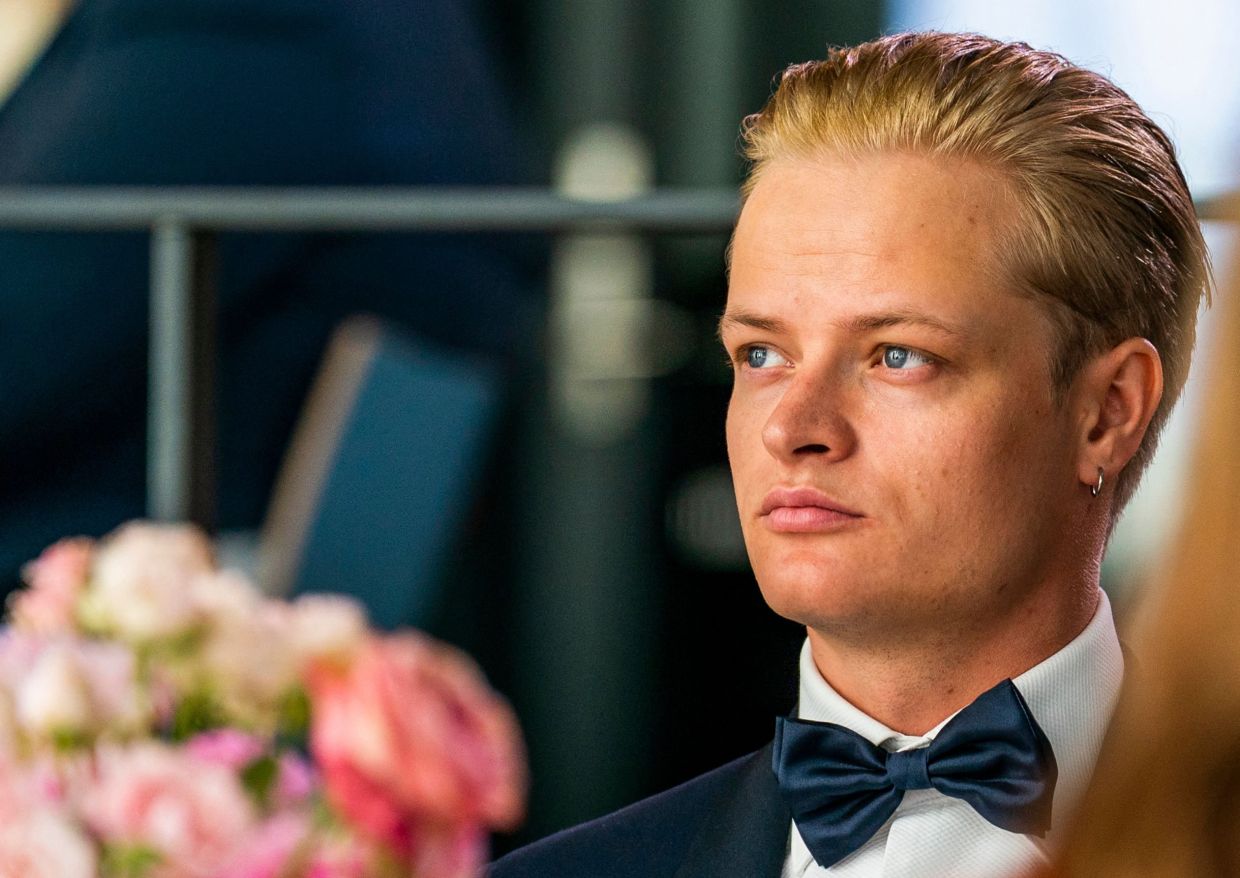
The eldest son of Norway's Crown Princess Mette-Marit faces a four-year prison term following his conviction on rape charges in a case that has captivated international observers and intensified scrutiny of the Scandinavian monarchy. Marius Borg Høiby, 29, was found guilty of two of four rape allegations brought against him and acquitted on the remaining charges in a verdict delivered Monday by Oslo District Court. The conviction encompasses additional convictions for assault and abuse within close relationships, and he has been ordered to provide financial restitution to those affected by his crimes.
The criminal conduct spanned nearly a decade, with prosecutors alleging that Høiby sexually assaulted four women who were incapacitated or otherwise unable to offer resistance between 2018 and 2024. The breadth of the investigation extended well beyond the rape allegations, with authorities pursuing a total of 40 criminal charges encompassing lesser offenses including assault, narcotics-related violations, and breaches of protective orders. While Høiby consistently denied the sexual assault charges throughout proceedings, he acknowledged responsibility for several of the more minor infractions included in the comprehensive indictment.
The sentencing reflects a middle ground between the competing arguments presented to the court. Prosecutors advocated for a substantially harsher punishment, requesting that judges impose seven years and seven months of imprisonment. Defence counsel adopted a fundamentally different position, contending that Høiby should be wholly exonerated of rape allegations while receiving no more than 18 months incarceration for the offenses he had conceded. The judicial determination of four years represents a significant outcome in cases involving sexual violence in Norway's legal system.
Høiby's absence from the courtroom during Monday's verdict announcement underscored ongoing health complications that have complicated the proceedings. Rather than appearing in person to hear the judgment, he monitored the verdict's delivery through video technology from his place of detention. This arrangement highlighted the logistical challenges surrounding a case that has demanded substantial court resources and public attention throughout its progression.
The evidentiary foundation underlying the conviction included testimony from multiple alleged victims who detailed their experiences across the six-week trial that concluded in March. Supporting this narrative testimony, prosecutors presented digital evidence comprising messages, photographic materials, and video recordings recovered from Høiby's mobile device. This convergence of witness accounts and technological evidence proved persuasive to the court in establishing guilt on the rape convictions, despite defence attempts to undermine credibility and challenge the allegations.
While Høiby holds no formal royal title and maintains no official functions within the Norwegian monarchy, his familial connection to the throne generates considerable public fascination. He represents the eldest child of Crown Princess Mette-Marit from a previous relationship predating her marriage to Crown Prince Haakon, heir to Norway's monarchy. Despite his lack of formal royal status, Høiby was raised within the royal household alongside the future king, embedding him within the institutional structures and public consciousness of the Norwegian state.
The case's resonance has been amplified by concurrent developments affecting the crown princess herself. Mette-Marit's diagnosed pulmonary fibrosis and her status as a lung transplant candidate have created circumstances where her personal health challenges intersected with her son's legal proceedings. The crown princess became a focal point of legal arguments concerning whether Høiby should receive temporary release from custody pending the verdict, with Norwegian appeals courts consistently ruling against such provisional liberty.
Beyond the immediate criminal matter, the trial unfolded within a broader context of renewed international scrutiny regarding the Norwegian royal family. Recent revelations concerning Mette-Marit's historical communication with Jeffrey Epstein, the convicted sex offender whose death occurred while in custody, generated considerable controversy and public discourse. The crown princess issued a public apology acknowledging these contacts and characterizing her judgment in maintaining the association as deficient. She has explicitly stated that she bears no criminal liability for the connection, yet the disclosure contributed to an atmosphere of heightened examination of royal family affairs.
The verdict is not conclusive within Norway's legal framework, as Høiby retains the right to pursue appellate remedies against the conviction. This procedural avenue suggests that further judicial proceedings may yet unfold, potentially prolonging the legal and public dimensions of this high-profile case. The appellate process could introduce additional layers of complexity to an already intricate situation combining elements of serious criminal conduct, royal family dynamics, and broader questions of accountability within Norwegian society.
For Malaysian and Southeast Asian observers, this case illustrates how democratic legal systems navigate prosecutions involving individuals with proximity to state institutions and royalty. Unlike contexts where connections to ruling families might shield defendants from accountability, Norway's judicial processes demonstrate institutional independence in applying criminal law equally regardless of familial relationships to the monarchy. The case also underscores contemporary challenges facing modern royal families internationally, where younger generations navigate expectations of exemplary conduct while confronting consequences through ordinary legal systems rather than alternative accommodations reflective of status.
The sentencing represents a pivotal moment in a prolonged legal saga that has tested Norwegian institutional resilience and public confidence in the impartiality of the judiciary. As Høiby contemplates his options regarding appeal, the broader ramifications for royal family reputation and the crown princess's capacity to fulfill her institutional duties amid personal health challenges remain subjects of considerable interest both domestically and internationally.