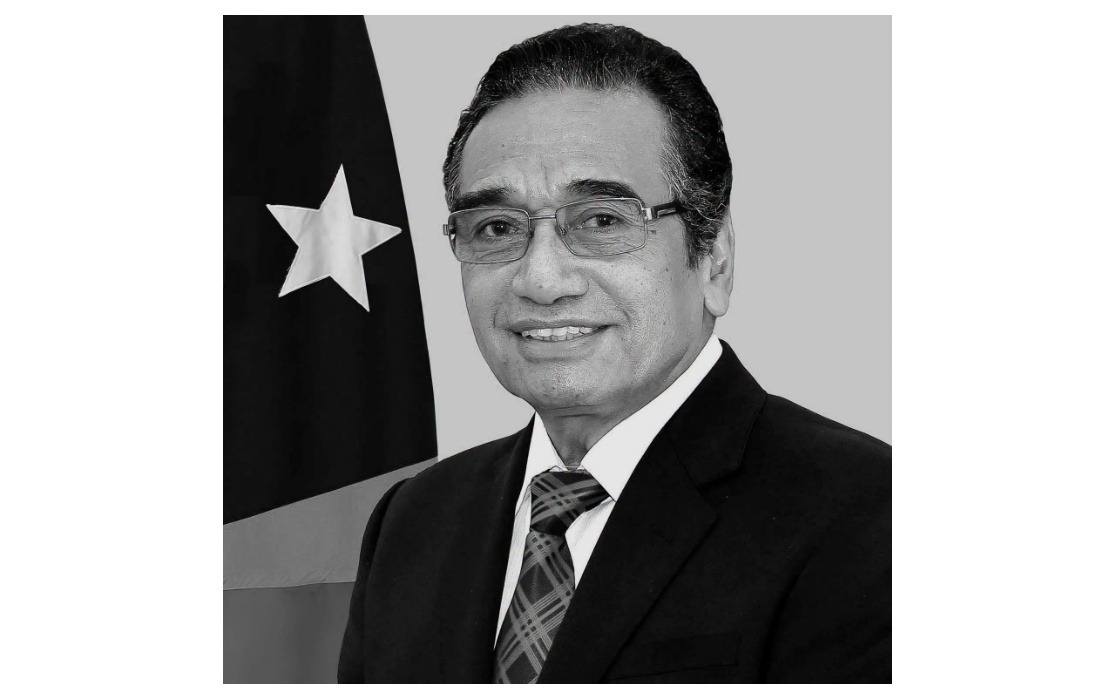
Prime Minister Datuk Seri Anwar Ibrahim has expressed Malaysia's official condolences following the death of Francisco Guterres, the former president of Timor-Leste, acknowledging the significant loss to the nation and its people. In a statement posted on social media, Anwar paid tribute to Guterres' profound legacy as a pioneering figure in Southeast Asian politics and independence movements, extending sympathy to his family and the broader Timorese community during this period of mourning.
Guterres, who was 71 years old, passed away at Prince Court Hospital in Kuala Lumpur after undergoing intensive medical care. His death marks the end of a remarkable life dedicated to nation-building and democratic governance in one of Southeast Asia's youngest states. The former leader had been receiving treatment in Malaysia at the time of his passing, underscoring the medical ties and regional cooperation that exist between neighbouring nations in the area.
The Malaysian Prime Minister characterised Guterres as belonging to a generation of liberation heroes whose courage and sacrifice fundamentally shaped Timor-Leste's trajectory as an independent nation. Anwar emphasised that Guterres remained steadfastly devoted to securing his people's freedom and establishing the institutional foundations of a functioning democratic state throughout his political career. This recognition highlights the deep respect Malaysia maintains for the struggles of its ASEAN neighbours to achieve sovereignty and self-determination.
During his extensive involvement in the resistance movement against Portuguese colonial rule and subsequent Indonesian occupation, Guterres earned the revered nom de guerre Lú-Olo, a name that became synonymous with the independence struggle itself. This underground resistance identity reflected the dangers and sacrifices he endured during decades of clandestine political organising and advocacy. The moniker became so emblematic of his commitment that many in Timor-Leste continued referring to him by this name long after he emerged from the shadows of resistance work into formal political office.
Following Timor-Leste's restoration of independence in 1999, Guterres transitioned into mainstream democratic politics, serving as President of the National Parliament before ascending to the office of Head of State. His tenure as president between 2017 and 2022 occurred during a critical consolidation period for Timorese democracy, when the young nation was establishing institutional practices and navigating complex geopolitical relationships in Southeast Asia. His leadership during this five-year span reflected his commitment to guiding the country through the challenges of post-conflict state-building and economic development.
In his tribute, Anwar stressed that Malaysia stands in solidarity with Timor-Leste during this moment of national loss, noting that Guterres will be remembered within Malaysia with considerable respect and affection. This diplomatic language underscores the important bilateral relationship between the two countries and reflects Malaysia's recognition of Timor-Leste as a valued ASEAN member state. The personal nature of Anwar's condolence reflects the kind of leadership engagement that characterises contemporary regional diplomacy in Southeast Asia.
The passing of prominent independence leaders like Guterres carries symbolic weight beyond the immediate grief of losing a notable political figure. His death represents the diminishing of the generation that directly experienced colonialism and armed struggle, marking a transition point in how Southeast Asian nations process their histories and pass institutional memory to younger leaders. For Timor-Leste specifically, the loss emphasises the fragility of the independence era's founding figures and raises questions about how their legacies will be preserved and interpreted in the years ahead.
Guterres' death also resonates across Southeast Asia as a reminder of the region's complex post-colonial journey and the ongoing challenges faced by nations still consolidating democratic institutions and economic development. His life trajectory—from clandestine resistance fighter to constitutional president—exemplifies the dramatic transformations many Southeast Asian leaders experienced during the twentieth and early twenty-first centuries. The lessons from his career, particularly regarding nation-building and democratic governance, remain relevant to policymakers across the region confronting similar structural challenges.
The outpouring of official condolences from regional leaders like Anwar demonstrates the interconnected nature of Southeast Asian diplomacy and the shared understanding among ASEAN members regarding the importance of recognising each other's contributions to regional stability and development. Such tributes serve not merely as ceremonial gestures but as affirmations of the values and commitments that bind the association together. Malaysia's formal recognition of Guterres' significance reinforces the bonds that enable cooperation on security, trade, and cultural exchange throughout the region.
As Timor-Leste reflects on Guterres' legacy, his contributions to independence struggle and early democratic nation-building will likely inform the country's historical narratives and political identity. His passing at a relatively young age—given the extended lifespans of other independence-era leaders—underscores the unpredictability of historical transitions and the finite nature of the revolutionary generation's participation in nation-building. The documentation and analysis of his contributions to Timorese statecraft will become increasingly important as the country seeks to understand its own development path.

