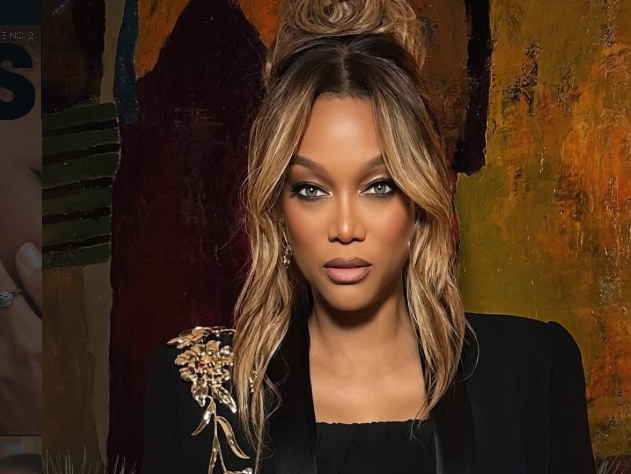
Supermodel and television personality Tyra Banks has launched a defamation lawsuit against Netflix and the creators behind its controversial docuseries examining the legacy of "America's Next Top Model," the competition show she created and hosted. The action, filed Saturday in Los Angeles federal court, targets streaming giant Netflix, documentary directors Daniel Sivan and Mor Loushy, and production company EverWonder Studio, with Banks demanding monetary damages and seeking an injunction to prevent her image being used in connection with the series' accompanying soundtrack album.
At the heart of Banks' legal challenge is an accusation that the filmmakers engaged in "selective editing, deliberate omission, and surgical manipulation of continuous footage" to construct a false narrative. According to court filings, the documentary was edited to suggest that Banks knowingly permitted a contestant to experience sexual assault on set, subsequently exploited that trauma to boost ratings, and then feigned memory loss when questioned about the incident during her recorded interviews for the project.
The lawsuit emphasises a critical distinction: Banks' legal team contends that she was never actually told about or asked regarding the sexual assault allegation during her interview sessions. Instead, they argue, the final edit created the misleading appearance that she was deliberately evading discussion of a topic she supposedly knew she was being questioned about. This represents a fundamental disagreement over how her footage was presented to viewers and what meaning was conveyed through editorial choices.
Banks accepted the invitation to participate in the documentary with limited protective measures in place. According to the legal filing, she was denied the opportunity to review the finished series until just one day before its February 16 release date, severely constraining her ability to anticipate or prepare for how her participation would be portrayed. The lawsuit further alleges that Netflix and EverWonder refused to provide her lawyers with access to the complete, unedited interview footage when requested in March, thereby preventing independent verification of the editing choices made.
A significant concern highlighted in the legal documents involves the composition of the documentary's advisory team. Banks' representatives argue that she was unaware several former judges from the competition show—including individuals her lawyers claim harbour personal grievances against her—were serving as consultants actively shaping the editorial direction and narrative of the film. Had Banks possessed this information before participating, her lawyers suggest, she would have recognised the inherent conflict of interest and declined involvement.
The original "America's Next Top Model" series, which premiered in 2003 and ran for 24 seasons, has undergone substantial cultural reassessment in recent years. The show has faced sustained criticism regarding body shaming practices, psychological manipulation of contestants, and the staging of problematic photoshoots that many now view as insensitive or harmful. Banks herself has publicly acknowledged these concerns, previously stating that she recognises "the insensitivity of past ANTM moments" and accepted responsibility for "some really off choices" made during the programme's run.
The timing and circumstances of Banks' participation in the Netflix project raise questions about documentary ethics and editorial transparency. Banks came to the interviews prepared to engage in substantive reflection about the show's complicated legacy, according to her legal team. Rather than enabling that conversation to reach audiences, the lawsuit argues, selective editing drowned out her intended message beneath accusations she was never positioned to address during filming.
The real-world consequences for Banks have extended beyond the documentary itself. Her Sydney-based ice cream shop, SMiZE & DREAM, experienced what the lawsuit describes as "review bombing" on Google following the docuseries' release, with negative reviews apparently motivated by the documentary's portrayal of her. This collateral damage underscores the amplified impact of misleading editorial choices on high-profile individuals' business interests and public standing in the social media age.
Banks' legal team claims that attempts to resolve the dispute directly with Netflix and the producers were rebuffed. The lawsuit represents the formal answer to allegations she was never given adequate opportunity to contest during the interview process itself. For Malaysian and Southeast Asian viewers familiar with Banks' global influence on fashion and television, the case highlights broader concerns about documentary accountability and the responsibility content creators bear when shaping narratives about public figures.
The docuseries episode involving Banks sits within a broader cultural moment examining reality television's troubled history. Similar reckonings have touched other major franchises globally, making the competitive entertainment sector increasingly scrutinised for past practices. Banks' willingness to engage with the Netflix project suggested a desire for open dialogue, yet the editing process apparently prevented that dialogue from materialising on screen.
The lawsuit also raises procedural questions about industry standards for documentary subjects' involvement in the editorial process. Banks was not granted meaningful consultation regarding the final edit, fact-checking opportunities were withheld, and she could not respond to other participants' allegations before the film's public release. These structural constraints stand in contrast to practices in some documentary productions that prioritise subject participation and transparency.
As the legal proceedings unfold, the case will likely influence how streaming platforms and independent producers approach their relationships with on-camera subjects, particularly those who are public figures with substantial existing reputations at stake. The outcome could establish precedent regarding editorial responsibility and the limits of creative freedom when documentary narratives centre on allegations of serious misconduct by named individuals.
%22%2F%3E%3C%2Fpattern%3E%3C%2Fdefs%3E%3Crect%20width%3D%22100%25%22%20height%3D%22100%25%22%20fill%3D%22url(%23ph5cfmbg)%22%2F%3E%3Crect%20width%3D%22100%25%22%20height%3D%22100%25%22%20fill%3D%22url(%23ph5cfmbp)%22%2F%3E%3Ctext%20x%3D%2250%25%22%20y%3D%2250%25%22%20text-anchor%3D%22middle%22%20dominant-baseline%3D%22central%22%20fill%3D%22rgba(255%2C255%2C255%2C0.95)%22%20font-family%3D%22Georgia%2C%20'Times%20New%20Roman'%2C%20serif%22%20font-weight%3D%22700%22%20font-size%3D%22272%22%20letter-spacing%3D%22-0.02em%22%3EAnwar%3C%2Ftext%3E%3C%2Fsvg%3E)
%22%2F%3E%3C%2Fpattern%3E%3C%2Fdefs%3E%3Crect%20width%3D%22100%25%22%20height%3D%22100%25%22%20fill%3D%22url(%23ph13ezig)%22%2F%3E%3Crect%20width%3D%22100%25%22%20height%3D%22100%25%22%20fill%3D%22url(%23ph13ezip)%22%2F%3E%3Ctext%20x%3D%2250%25%22%20y%3D%2250%25%22%20text-anchor%3D%22middle%22%20dominant-baseline%3D%22central%22%20fill%3D%22rgba(255%2C255%2C255%2C0.95)%22%20font-family%3D%22Georgia%2C%20'Times%20New%20Roman'%2C%20serif%22%20font-weight%3D%22700%22%20font-size%3D%22136%22%20letter-spacing%3D%22-0.02em%22%3EBangladesh%3C%2Ftext%3E%3C%2Fsvg%3E)