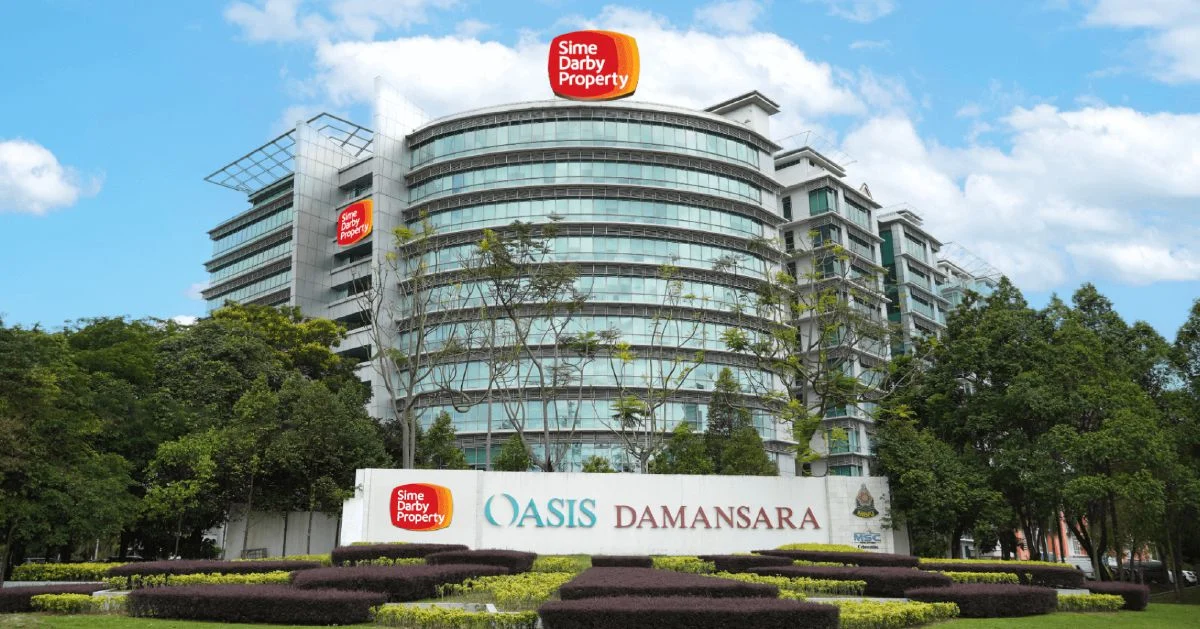
Sime Darby Property Bhd has entered the Islamic capital markets with an ambitious RM2.6 billion sukuk wakalah programme, deployed through its second real estate development fund, New Economy Venture (NEV). The financing initiative, structured via subsidiary Sime Darby Property NEV Holdings Sdn Bhd, represents a significant capital mobilisation effort to underpin the developer's expansion into sectors aligned with Malaysia's economic transformation agenda.
The sukuk wakalah structure represents a sophisticated Islamic financing arrangement increasingly popular among major Malaysian corporates seeking substantial, long-term capital. Under this mechanism, investors provide funds that a fund manager—in this case, Sime Darby Property NEV Holdings—deploys on their behalf in specified projects. Unlike conventional bonds, wakalah sukuk ensure compliance with Sharia principles while offering investors exposure to tangible real estate assets rather than paper claims.
Sime Darby Property's resort to sukuk financing reflects both the company's recognition of growing appetite among Islamic institutional investors and the broader maturation of Malaysia's Islamic capital markets. The timing aligns with heightened investor interest in developments that contribute to Malaysia's pivot towards higher-value, less commodity-dependent economic activities. New Economy Venture serves as the vehicle through which the group targets opportunities in sectors such as technology parks, advanced manufacturing zones, knowledge-based industries, and digital economy hubs.
The RM2.6 billion programme size places this issuance firmly in the mid-to-large tier of recent corporate sukuk launches in Malaysia. For context, major Malaysian corporations routinely tap this market when undertaking transformational investments requiring patient capital. The scale indicates Sime Darby Property's confidence in identifying and executing projects that will generate returns attractive to Islamic institutional investors, including domestic pension funds, insurance companies, and Shariah-compliant asset managers.
REIT-style structures and development funds have proliferated among Malaysian property developers seeking to unbundle risk and reward across investor bases. Sime Darby Property's NEV represents precisely this strategy. By housing new economy projects within a dedicated fund structure rather than on the parent balance sheet, the company achieves multiple objectives: it limits financial leverage on core operations, allows selective investor participation in specific asset classes, and creates a replicable platform for future capital raises.
For Malaysian investors and stakeholders, the sukuk programme's emphasis on new economy projects carries particular significance. Rather than financing conventional residential or retail developments, NEV's capital is earmarked for real estate assets supporting innovation, manufacturing advancement, and digital economy growth. This alignment with national economic priorities enhances the appeal to institutional investors and government-linked funds with mandates to support high-growth sectors.
The Islamic finance sector's role in funding Malaysia's economic transformation has expanded dramatically. Sukuk issuance across all sectors hit record levels in recent years, demonstrating investor appetite. Sime Darby Property's decision to structure this programme as sukuk wakalah—a framework gaining traction among major property developers—indicates confidence that project pipelines will generate yields satisfactory to Islamic investors with increasingly sophisticated expectations.
Developers pursuing new economy projects face specific operational challenges. Unlike residential developments with predictable rental streams, technology parks and advanced manufacturing zones depend on tenant acquisition, graduation-stage demand, and supporting infrastructure development. Sukuk investors, however, provide capital with longer tenor horizons than traditional bank facilities, allowing developers to navigate tenant ramp-up periods and infrastructure build-out without severe refinancing pressure.
Regional property companies increasingly recognise Southeast Asia's structural shift towards higher-value activities. Sime Darby Property's RM2.6 billion commitment to new economy real estate positions the company to capture opportunities across the region, not merely domestically. Many neighbouring countries lack the diversified developer capabilities and Islamic capital market access that Malaysia offers, creating competitive advantages for major local property companies.
The sukuk programme's structure through NEV also serves important tax and regulatory purposes. Development funds allow developers to compartmentalise different project types, manage depreciation and cost allocation more efficiently, and provide investors with granular disclosures regarding underlying asset performance and sustainability practices. Modern investors increasingly demand such transparency, particularly when committing capital to long-duration infrastructure-adjacent assets.
Market observers will scrutinise project execution carefully. Sime Darby Property's track record in traditional real estate development is well-established, but new economy assets require different competencies. Success will depend on the company's ability to identify tenants and partnerships in high-growth sectors, navigate rapidly evolving technology and manufacturing landscapes, and maintain competitive positioning alongside homegrown and international industrial park operators.
Looking forward, this sukuk programme may establish a template for other Malaysian property developers seeking to fund economic-transformation-aligned projects. As institutional investors increasingly incorporate ESG and economic impact considerations into capital allocation, structured products financing new economy infrastructure offer compelling alignment between financial returns and national development objectives. Sime Darby Property's initiative, therefore, extends beyond a single financing transaction to represent a potentially influential model for property sector evolution.

