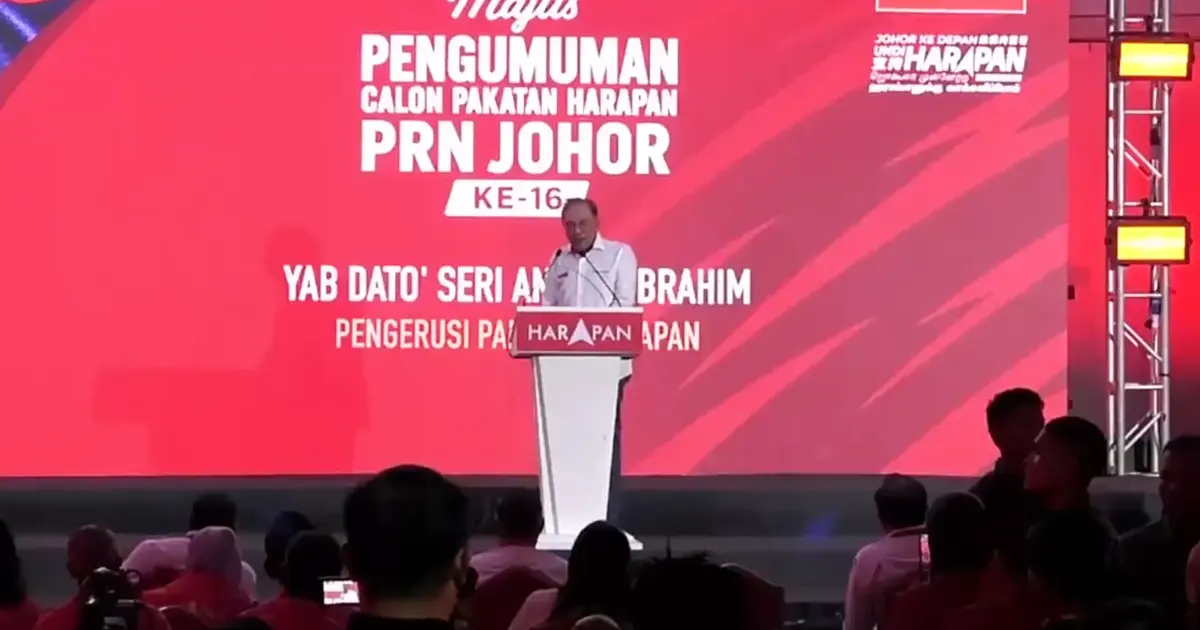
Pakatan Harapan has moved to strengthen its position in Johor by deploying experienced party figures for the imminent state election, nominating former minister Maszlee Malik to stand in Puteri Wangsa and recruiting Batu Pahat's sitting parliamentary representative Onn Abu Bakar for the Senggarang seat. The selections represent a calculated effort by the opposition coalition to leverage both ministerial experience and proven electoral credentials in a state that has become increasingly competitive for the opposition.
Maszlee Malik brings substantial governance credentials to the Puteri Wangsa contest. His tenure as education minister during the previous PH-led federal government positioned him as a prominent figure within the coalition's reform agenda. His move into state-level politics reflects the party's determination to contest across multiple tiers of representation simultaneously. The Puteri Wangsa constituency, located in the heart of the Klang Valley's metropolitan sprawl, encompasses diverse voter demographics including younger professionals, established families, and migrant communities. Capturing this seat would demonstrate PH's capacity to consolidate support in urbanised constituencies where its messaging on institutional reform and accountability typically resonates.
Onn Abu Bakar's nomination for Senggarang represents a tactical shift for the Batu Pahat parliamentarian. His status as an incumbent federal lawmaker carries organisational advantages and voter recognition that could translate effectively into state-level support. MPs transitioning to state contests often leverage their existing grassroots networks and constituent service reputations. Senggarang, by geographical convention, forms part of Johor's lower regional structure and presents distinct socioeconomic characteristics compared to urban centres. Fielding an MP with proven electoral appeal in neighbouring Batu Pahat suggests the coalition believes Onn can navigate these local dynamics while maintaining his parliamentary portfolio.
The dual nomination reflects broader strategic calculations within Johor politics. The state has emerged as crucial battleground terrain where no single coalition commands overwhelming dominance. Recent electoral cycles have demonstrated volatile voter behaviour, with communities showing willingness to shift preferences based on local governance performance and national political currents. By positioning figures with federal experience and parliamentary success, PH aims to cultivate an impression of serious intent and administrative capacity. This messaging proves particularly important in state elections where incumbent performance on constituency-level services often determines outcomes more decisively than national narratives.
Maszlee's appointment particularly signals PH's confidence in appealing to urban, educated constituencies where education policy resonates as a significant concern. His previous role overseeing the education portfolio means his policy positions on curriculum reform, university autonomy, and digital literacy remain relatively well-known among aware voters. Puteri Wangsa's demographic composition includes substantial numbers of parents with school-age children and post-graduate professionals employed in the KL metropolitan region's services sector. These groups have historically shown concern with educational standards and institutional independence, constituencies where Maszlee's background provides potential argumentative advantage.
The Senggarang nomination requires consideration of distinct local conditions. As a state seat, Senggarang operates within Johor's political ecosystem, characterised by strong traditional institutions, diverse ethnic representation, and varying levels of urbanisation. Onn Abu Bakar's appointment suggests that PH research indicates transferability of his Batu Pahat support base across this constituency. The nomination also potentially signals confidence in the party's organisational readiness to field candidates in multiple simultaneous contests across different governance levels without fragmenting resources or messaging coherence.
These selections arrive within a broader context of Malaysian political reorganisation. The coalitional landscape remains fluid, with parties and alliances continuously repositioning ahead of expected state-level contests. Johor's significance extends beyond its immediate electoral weight; state outcomes influence national momentum and coalition negotiating positions when federal legislatures eventually reconvene. Opposition parties recognise that sustained competitive presence in state-level contests maintains relevant infrastructure, identifies emerging talent, and preserves organisational muscle that atrophies without regular electoral activity.
The strategic value of fielding established figures should not obscure inherent risks. Ministers transitioning into state contests sometimes discover that federal-level profiles prove insufficient without corresponding local groundwork. Onn Abu Bakar's dual candidacy, while potentially maximising his electoral reach, also strains his capacity to campaign intensively across two constituencies. Managing these competing demands requires sophisticated campaign organisation and messaging discipline.
For Malaysian voters monitoring opposition capacity, these nominations provide indicators regarding PH's commitment to competitive state-level engagement. The coalitional machinery's willingness to deploy federal-level talent into state contests suggests serious strategic intent beyond mere symbolic participation. Yet success ultimately depends on local circumstances, grassroots organisation quality, and whether selected candidates effectively translate their higher-profile credentials into community-level resonance and constituent service delivery.

