%22%2F%3E%3C%2Fpattern%3E%3C%2Fdefs%3E%3Crect%20width%3D%22100%25%22%20height%3D%22100%25%22%20fill%3D%22url(%23phjsyqg)%22%2F%3E%3Crect%20width%3D%22100%25%22%20height%3D%22100%25%22%20fill%3D%22url(%23phjsyqp)%22%2F%3E%3Ctext%20x%3D%2250%25%22%20y%3D%2250%25%22%20text-anchor%3D%22middle%22%20dominant-baseline%3D%22central%22%20fill%3D%22rgba(255%2C255%2C255%2C0.95)%22%20font-family%3D%22Georgia%2C%20'Times%20New%20Roman'%2C%20serif%22%20font-weight%3D%22700%22%20font-size%3D%22320%22%20letter-spacing%3D%22-0.02em%22%3EOnn%3C%2Ftext%3E%3C%2Fsvg%3E)
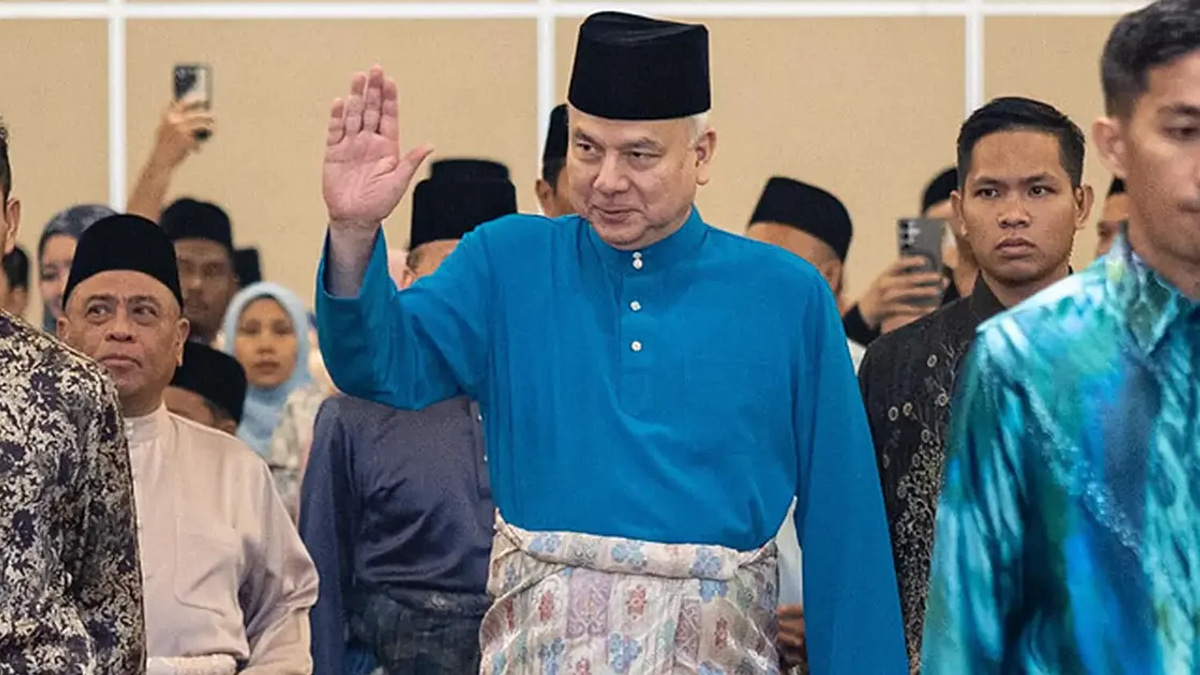
Johor's caretaker Menteri Besar Datuk Onn Hafiz Ghazi has moved to defend Barisan Nasional's decision to contest the upcoming state election without coalition partners, rejecting characterisations that the move reflects overconfidence or disrespect toward potential allies. The remarks represent a pointed response to recent criticism, indicating growing tension within Malaysia's ruling political establishment as different factions interpret the significance of BN's independent campaign in the southern state.
Onn Hafiz's rebuttal marks an important moment in Malaysian political discourse, as it reveals fractures in messaging between federal and state leadership during a critical election period. The caretaker Menteri Besar argued that BN's autonomy in Johor stems not from hubris but from a clear-eyed assessment of the coalition's electoral viability and organisational readiness. This framing shifts the conversation from whether BN should seek partners to whether the coalition possesses the demonstrated capacity to win and govern independently, a distinction that carries implications for Malaysia's coalition-based political architecture.
The backdrop to this disagreement illuminates broader structural questions about Malaysia's federal system and how power is negotiated between different levels of government. Barisan Nasional has historically relied on coalition arrangements to maximize electoral prospects and consolidate governing coalitions. The decision to deviate from this playbook in Johor—a strategically crucial state that represents a traditional BN stronghold—signals confidence but also reveals competing visions for how the ruling establishment should organise itself moving forward.
For Malaysian observers, the dispute carries significance beyond internal party politics. Johor's state elections represent a test case for BN's ability to govern effectively without the institutional and electoral support mechanisms that coalition partnerships typically provide. If successful, it could reshape how Malaysian political coalitions function and embolden other BN-led state governments to pursue similarly independent strategies. Conversely, an electoral disappointment could vindicate those who argue that coalition arrangements remain essential for maintaining political dominance in Malaysia's plural society.
The criticism that prompted Onn Hafiz's response appears to centre on perceptions of arrogance—suggestions that BN's solo approach disrespects potential partners and reflects an inflated sense of invincibility. Such characterisations matter because they touch on fundamental questions about political culture and institutional respect within Malaysia's ruling coalition. The caretaker Menteri Besar's counterargument suggests that assessments of electoral strength should not be conflated with arrogance, and that rational strategic decision-making based on demonstrated capacity differs fundamentally from contempt for political rivals or reluctant allies.
This tension between federal and state leadership also reveals something about Malaysia's evolving political dynamics post-2023 elections. The federal government under Prime Minister Anwar Ibrahim has emphasized inclusivity and coalition-building as organising principles, whereas Onn Hafiz's approach in Johor prioritises demonstrable organisational strength and electoral appeal. These represent different strategic philosophies with implications for how Malaysian politics might evolve in coming years and how federal-state relations will be managed.
For Johor specifically, the stakes are particularly high. The state has long served as a crucial power base for the United Malays National Organisation (UMNO) and broader Barisan Nasional interests. Its political and economic influence extends beyond state boundaries, making electoral outcomes there consequential for national politics. A strong BN performance under a solo campaign would validate Onn Hafiz's approach and potentially reshape how state-level politics operate across Malaysia. State-level leaders might increasingly pursue independent campaigns rather than subordinating themselves to coalition arrangements managed from federal level.
The disagreement also reflects deeper questions about how Malaysian political alliances should function and who should exercise decision-making authority. Should state-level political considerations defer to federal coalition strategies, or should states possess autonomy to determine their own electoral approaches based on local conditions and capabilities? Onn Hafiz's stance implicitly argues for greater state-level autonomy, which could have ramifications for federalism and internal coalition governance in Malaysia if more state leaders adopt similar positions.
Regionally, Malaysia's internal political manoeuvres attract attention from other Southeast Asian democracies grappling with coalition governance. How Malaysia manages tensions between coalition partners and autonomous state-level strategies while maintaining federal coherence offers lessons—positive or cautionary—for countries with similar political structures and concerns about coalition stability versus democratic dynamism.
The outcome of Johor's election will provide empirical evidence for evaluating competing claims about BN's electoral viability and the wisdom of independent campaign strategies. Whether voters reward or punish BN's solo approach will shape not only the immediate political landscape in Johor but also potentially influence how other state governments and federal opposition parties approach future elections. Meanwhile, the current disagreement between federal and state leadership underscores that Malaysian politics remains dynamic and contested even within ostensibly unified ruling coalitions.