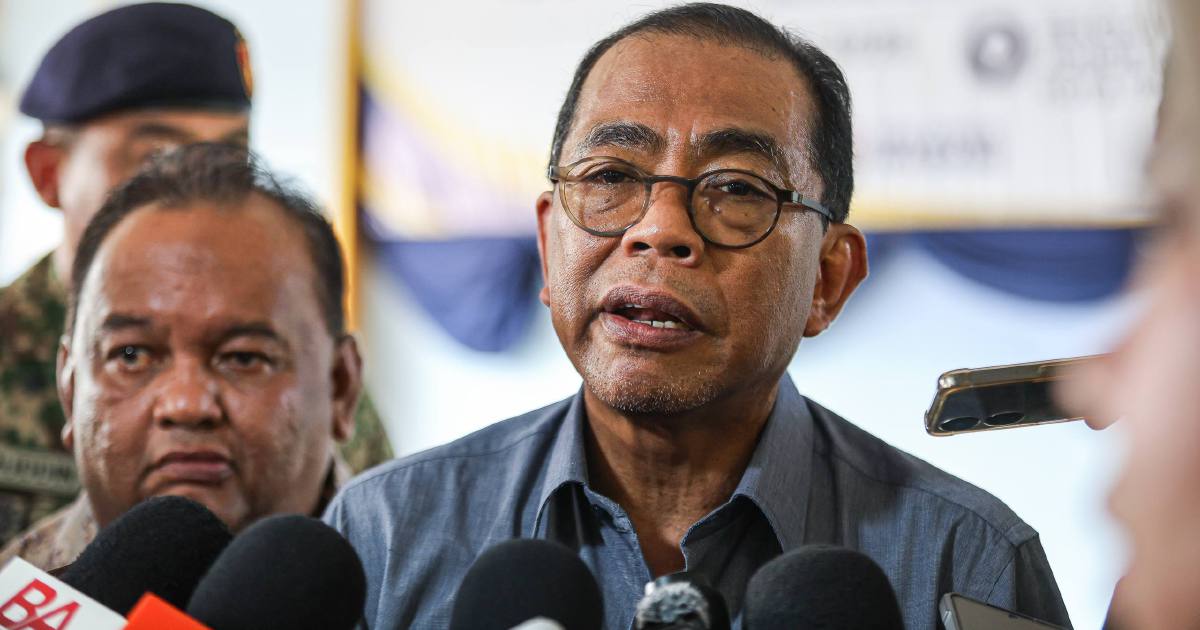
A prominent Malaysian defence official has pressed for an accelerated investigation into a grenade mishap that occurred at Hobart Camp, signalling growing concern within government circles about the pace and thoroughness of the military inquiry into the incident. The call for faster progress suggests underlying tension between political oversight and the armed forces' internal review mechanisms, reflecting broader scrutiny of how such dangerous training accidents are handled in Malaysia's defence establishment.
Khaled's intervention underscores the seriousness with which senior officials regard the incident and the potential implications for military personnel safety during routine exercises. The Hobart Camp incident, which involved an explosive device malfunction during training operations, has raised questions about whether current investigation protocols are sufficient for determining root causes and preventing similar occurrences. His public statement indicates that stakeholders beyond the direct chain of command are monitoring progress and expect tangible results within a reasonable timeframe.
The grenade mishap represents one of several incidents in recent years that have brought military training safety into sharper focus across Southeast Asia. Malaysia, with its substantial defence budget and significant military footprint, faces mounting pressure to demonstrate that it takes personnel welfare seriously. The training exercises at Hobart Camp are routine for Malaysian armed forces operations, but the accident has prompted wider conversations about risk management and emergency protocols during live-ammunition drills.
Investigations into military incidents can often proceed slowly due to the classified nature of certain defence operations and the need for inter-departmental coordination. However, Khaled's plea for expedition suggests he believes the current pace falls short of acceptable standards, particularly given the nature of the incident and its potential implications for future training programmes. The timing of his remarks may also reflect pressure from families of affected personnel or broader public concern about military conduct and oversight.
Malaysia's defence sector has undergone significant modernization in recent years, with upgraded equipment and revised training protocols intended to reduce accidents. The Hobart Camp incident therefore carries symbolic weight beyond the immediate circumstances, as it tests whether institutional safeguards are functioning effectively. An accelerated investigation could help determine whether the mishap resulted from equipment failure, procedural error, or human factors, each pointing to different remedial measures.
The call for faster inquiry also reflects the interconnected nature of military accountability in Malaysia, where political leaders maintain oversight of defence operations despite the armed forces' semi-autonomous status. Khaled's public intervention likely carries implicit endorsement from senior political circles, suggesting that delays in the investigation process are becoming untenable for decision-makers. This dynamic typically accelerates internal military reviews once external political pressure reaches a certain threshold.
Regionally, Malaysia's military safety record carries implications for defence partnerships and training collaborations with allied nations. Countries hosting Malaysian training exercises, including Australia where Hobart Camp operates, maintain interest in how Malaysia handles and learns from operational mishaps. A transparent, timely investigation can reassure international partners that Malaysia maintains rigorous safety standards and is committed to continuous improvement in military training practices.
The investigation's findings will likely inform revised guidelines for explosive device handling, safety distance protocols, and personnel supervision during live-fire exercises. These procedural changes could have cascading effects across Malaysia's broader training ecosystem, affecting how other camps and facilities structure their operations. Stakeholders ranging from defence contractors to military unions have vested interests in understanding what went wrong and how systems can be strengthened.
Khaled's emphasis on expedition also suggests awareness that delays in accountability create perception problems within the armed forces and among the public. Personnel morale depends partly on confidence that leadership responds swiftly and decisively to serious incidents. By calling for faster investigation, Khaled signals to military ranks that the matter receives high-level attention and will not be allowed to fade from institutional focus due to bureaucratic inertia or competing priorities.
The grenade mishap at Hobart Camp ultimately serves as a test case for how Malaysia's defence establishment manages crises and implements lessons learned. Whether the investigation can be meaningfully expedited while maintaining rigor will reveal much about the balance between political accountability and military autonomy in contemporary Malaysia. The outcome will shape how future incidents are handled and may influence international perceptions of Malaysian military professionalism and commitment to personnel safety standards.

