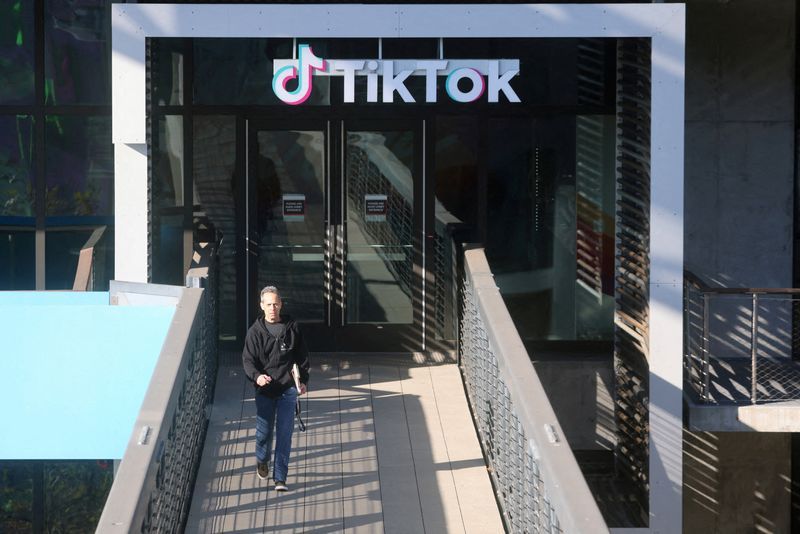
Florida's Attorney General James Uthmeier filed a lawsuit against TikTok on Monday, accusing the Chinese-owned social media platform of systematically breaching state legislation designed to protect minors from the harms of digital connectivity. The case, lodged in state court in St. Lucie County, represents the latest escalation in a nationwide regulatory backlash against social platforms that serve young users, with Florida positioning itself as a frontline state in aggressive enforcement of child safety statutes.
The lawsuit centres on TikTok's alleged non-compliance with H.B. 3, a law that came into effect in January 2025 and establishes stringent guardrails for social media operators. The statute prohibits platforms from permitting users under 14 to establish accounts, whilst demanding parental authorisation for anyone between 14 and 16. According to the filing, TikTok has knowingly circumvented these requirements, enabling underage access whilst simultaneously downplaying the prevalence of violent and sexual material that children encounter on the platform. Uthmeier, a Republican, framed the action as a matter of protecting vulnerable populations from corporate negligence. "TikTok knowingly deceives parents and allows children to be exposed to harmful and inappropriate content in direct violation of Florida law," he stated, adding that the state maintains "zero tolerance for companies that prioritize profit over children's safety."
The legal action seeks two remedies: a court order mandating structural and operational changes to align TikTok with Florida requirements, and monetary compensation for damages incurred. These demands reflect a shift in state-level enforcement toward transformative relief rather than nominal penalties. The case mirrors Florida's litigation strategy elsewhere, demonstrating a coordinated approach to regulating the social media ecosystem through targeted legal pressure on individual platforms rather than comprehensive legislative overhaul.
TikTok's response through its official spokesperson acknowledged ongoing dialogue with the attorney general whilst announcing that the platform has begun suspending accounts belonging to Florida users under 14. The company stated it continues implementing platform modifications to satisfy state law requirements and asserted preparedness to defend its "strong record on minor safety." This framing suggests TikTok views the matter as a compliance adjustment rather than a fundamental business model challenge, positioning proactive measures as evidence of responsible corporate citizenship. However, the company's acknowledgement of account suspensions also underscores the practical difficulty of age verification at scale, a technical and operational hurdle that regulatory action across multiple jurisdictions intensifies.
Florida's targeting of TikTok occurs within a broader pattern of multi-state litigation. More than 25 state attorneys general have initiated separate actions against the platform, predominantly invoking consumer protection statutes rather than specific age-gating legislation. These cases allege that TikTok's algorithmic design deliberately cultivates addictive patterns in young users, contributing to documented increases in anxiety, depression, and self-harm among adolescents. The accumulating legal exposure creates compounding financial and operational risks for ByteDance, TikTok's parent company, which has limited ability to adopt divergent compliance frameworks across fragmented state jurisdictions.
The litigation landscape extends beyond TikTok alone. Meta Platforms, which operates Facebook and Instagram, faces comparable pressure from state authorities and individual plaintiffs. In a notably significant development, a Los Angeles jury recently determined that Meta and Alphabet's Google acted with negligence in a case brought by a young woman alleging depression and anxiety stemming from platform addiction. TikTok settled its involvement in that case before trial proceeded, avoiding jury determination of liability. The company simultaneously resolved a separate action brought by a Kentucky school district for $8 million, suggesting a strategic preference for negotiated settlements over protracted litigation and public findings of misconduct.
H.B. 3's constitutional status remains contested and uncertain. A federal judge previously blocked enforcement, deeming the statute unconstitutional under the First Amendment. However, that injunction was temporarily suspended, permitting Florida to enforce the law whilst pursuing appellate remedies. This procedural posture creates operational ambiguity for platforms: they must comply with Florida's requirements whilst simultaneously preparing defences against constitutional challenge. Should appellate courts ultimately strike down H.B. 3, TikTok's compliance investments would prove superfluous, yet failing to comply during the interim period exposes the company to immediate enforcement action.
Florida's litigation strategy extends to other platforms. The state sued Snap, operator of Snapchat, in 2025 for deploying features that purportedly addict children and for establishing accounts for users as young as 13, despite Snapchat's age-14 stated minimum. Florida characterised Snap's conduct as "particularly egregious" because the company markets its platform as appropriate for 13-year-olds whilst the application enables access to pornographic material and facilitates illicit drug transactions. Snap has mounted a constitutional defence predicated on First Amendment protections, contesting the law's applicability to platforms offering expressive content. That litigation remains unresolved, pending judicial determination of whether child safety objectives override platform speech interests.
For Malaysian and Southeast Asian technology companies and regulators, Florida's enforcement activities signal an important trend in digital governance. United States state-level regulation increasingly functions as a de facto global standard-setter. Platforms operating internationally often adopt the most stringent jurisdiction's requirements across all markets, extending regulatory reach beyond territorial boundaries. Singapore, Indonesia, and the Philippines, which host significant TikTok user bases, may find that American regulatory decisions ultimately shape their citizens' experience of these platforms. This dynamic illustrates how regulatory fragmentation in one region can produce unintended extraterritorial consequences, potentially constraining platform functionality and user access in jurisdictions with different policy priorities.
The broader implications extend to content moderation and algorithmic transparency. TikTok's defence relies on assertions regarding safety measures without disclosing specific mechanisms, creating an information asymmetry that complicates external verification and judicial assessment. Future regulatory frameworks may increasingly demand algorithmic transparency and third-party auditing as preconditions for platform operation, particularly in jurisdictions prioritising child welfare. Such requirements carry significant compliance costs and operational complications, potentially reshaping competitive dynamics within the social media industry and shifting advantages toward incumbent platforms with established compliance infrastructure.
TikTok faces a strategic dilemma: it can invest substantial resources in age-verification and content-filtering systems tailored to specific state requirements, or it can challenge the constitutionality of such laws on First Amendment grounds whilst incurring litigation costs and regulatory exposure. Neither path offers certainty. Successful age verification requires technical sophistication whilst maintaining user privacy and convenience—a notoriously difficult balance. Constitutional litigation offers potential vindication but carries reputational and financial risks if courts side with regulators. For competitors and industry observers, Florida's aggressive posture demonstrates that social media platforms can no longer rely on self-regulatory frameworks or minimal compliance. The regulatory environment has shifted toward mandated operational changes enforced through litigation, setting precedent for comparable enforcement elsewhere.