A suspected honour killing has shocked Rajasthan's Dholpur district, with police investigating the deaths of two sisters who were allegedly thrown into a river by their own family members in an act authorities believe was motivated by the women's unapproved romantic relationships. The incident, which unfolded on the night of June 11 near Sagarpada Bridge, has prompted investigators to examine one of India's most sensitive and persistent social crimes.
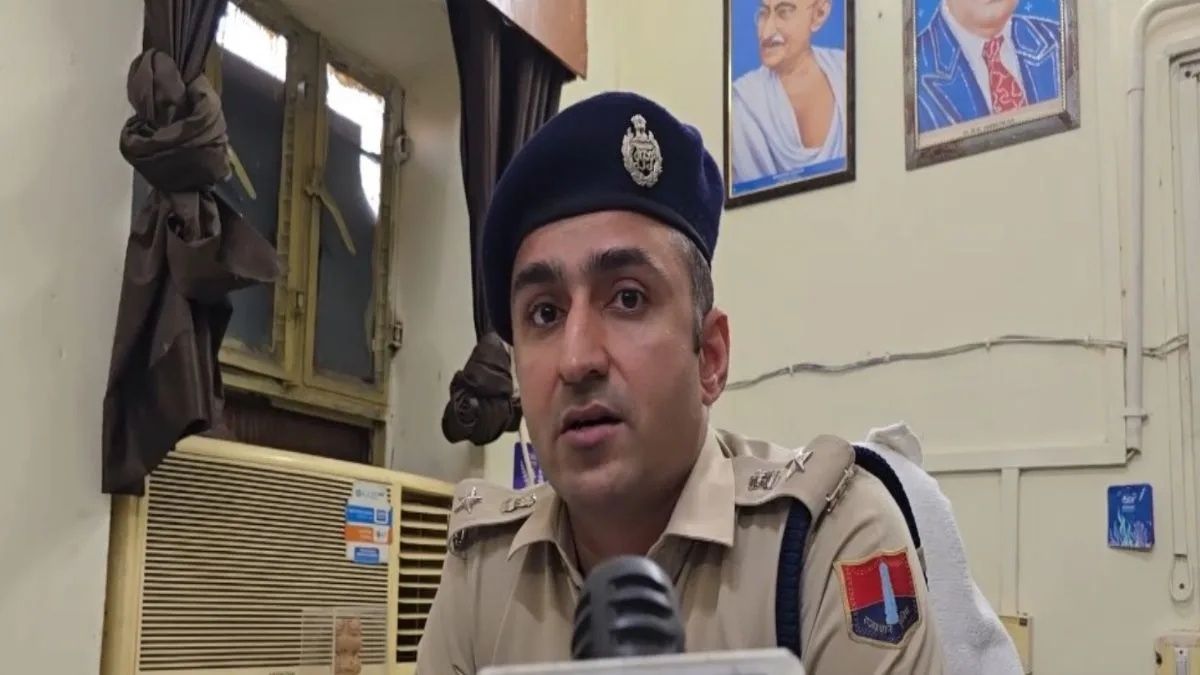
According to Superintendent of Police Vikas Sangwan, authorities received a tip-off that Bharat Lodha, a resident of Pharakpur village and father of four, had killed two of his daughters. Upon receiving the information, police teams immediately proceeded to the scene and launched a detailed investigation into the circumstances surrounding the deaths. The initial findings have led investigators to categorise the case as a potential honour killing, a classification that carries profound implications both for the justice system and for ongoing discussions about family violence and women's autonomy in India.
The preliminary investigation suggests that the two young women became targets after pursuing romantic relationships that their family actively opposed. This motivation places the case within a disturbing pattern of honour-based violence that continues to plague rural and semi-urban regions across India, where family honour remains intertwined with the control of women's personal choices and relationships. Police have named Bharat Lodha and several other family members as suspects in connection with the deaths, though the investigation remains in its early stages.
Investigators believe the women were pushed from Sagarpada Bridge into the river below sometime between 9 and 10 o'clock in the evening. However, Sangwan emphasised that these details remain preliminary and subject to ongoing verification. The police are currently engaged in meticulous reconstruction of events, attempting to piece together the sequence of actions that preceded the alleged crime. This process involves examining crucial logistical details that may provide insight into the premeditation involved in the incident.
Among the key aspects under investigation are the circumstances in which the victims were transported to the bridge location, who accompanied them throughout their movements, and what vehicle or mode of transport was utilised. Police are working to establish a timeline that shows who knew of the women's whereabouts, who made the decision to take them to the bridge, and what conversations or planning may have occurred beforehand. These investigative threads are designed to establish whether the deaths resulted from an impulsive act or a calculated decision by family members to eliminate perceived shame through violence.
The investigation has expanded to include detailed site examination and questioning of individuals connected to the case. Police teams are gathering physical evidence from the Sagarpada Bridge area and the surrounding riverbank, working to corroborate witness statements and piece together the narrative of what transpired. Sangwan acknowledged that numerous aspects of the case remain to be verified, indicating that authorities are approaching the investigation with appropriate caution to ensure no crucial details are overlooked.
This incident represents a continuation of a troubling phenomenon that intermittently captures national attention, yet remains deeply embedded in certain communities across India. Honour killings, which are murders committed in the name of family or community honour, disproportionately affect women who exercise autonomy in their romantic and marital choices. The Dholpur case underscores how even basic personal freedoms—choosing whom to love—can place women in mortal danger within family structures that prioritise reputation over human life.
For Malaysian observers, this case presents sobering reminders about gender-based violence and the persistence of controlling family dynamics across South Asia. While Malaysia has its own challenges regarding domestic violence and family-related crimes, the honour killing phenomenon reflects extreme manifestations of patriarchal control that transcend national borders. The case also highlights the critical importance of robust legal frameworks and investigative mechanisms designed to protect vulnerable individuals and hold perpetrators accountable.
Authorities in Dholpur have indicated that legal action will be pursued based on the findings of their ongoing investigation. The charges that ultimately emerge from this case will carry significant weight in establishing precedent and signalling the seriousness with which authorities treat such crimes. The investigation's outcome may also influence how similar cases are handled across Rajasthan and other Indian states where honour killings remain a persistent challenge to women's safety.
The case has reignited discussions about the need for stronger community awareness and intervention mechanisms to prevent honour-based violence before it escalates to lethal consequences. Activists and civil society organisations have long advocated for better victim support systems, faster police response times to domestic violence complaints, and greater community education about the illegality and immorality of honour killings. The Dholpur incident serves as a tragic reminder that these calls remain urgent and unmet.
As the investigation progresses, the case will likely draw scrutiny from women's rights organisations and human rights advocates who monitor such crimes across India. The police inquiry, once concluded, may provide valuable insights into how families justify such violence internally and how external warning signs might be detected earlier. For now, authorities remain focused on establishing a complete factual record while the broader implications of this tragedy continue to reverberate through Rajasthan's communities.

