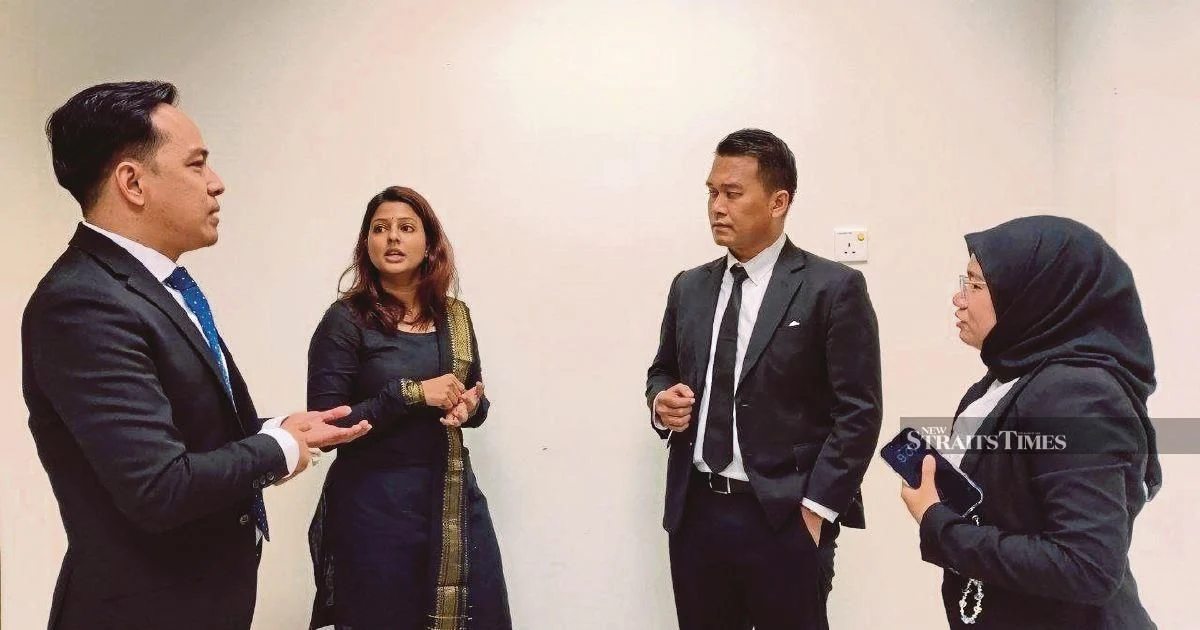
A handwriting expert who gave evidence at the Kota Kinabalu Coroner's Court provided testimony suggesting that the late Zara Qairina Mahathir's writing samples exhibited traits typical of adolescent development rather than full maturity. The forensic analysis has emerged as a notable detail in ongoing proceedings examining the circumstances surrounding her death.
Handwriting analysis, known as graphology, is sometimes used in legal proceedings to assess aspects of a writer's cognitive and emotional state at the time a document was produced. In this case, the expert's assessment that Zara Qairina's handwriting remained in an adolescent or volatile phase of development introduces questions about her psychological maturation and decision-making processes during the period in question. Such evidence can carry weight when courts attempt to establish the mental state or capacity of individuals involved in sensitive cases.
The characterisation of her handwriting as unstable or adolescent in nature suggests inconsistencies in letter formation, pressure patterns, or other graphological markers that typically develop as people mature. Adolescent handwriting is generally understood by forensic experts to lack the consistency and refined characteristics of fully developed adult penmanship. The volatile aspect further indicates irregularities that might reflect emotional disturbance or psychological stress at the time of writing.
For Malaysian legal observers, this type of evidence illustrates how coroner's courts incorporate multidisciplinary expert testimony to reconstruct circumstances surrounding deaths. The Coroner's Court system in Malaysia, which operates within each state, relies heavily on expert witnesses from various fields—including forensic specialists, medical professionals, and, in some cases, handwriting analysts—to establish facts that may not be immediately apparent.
The relevance of handwriting analysis in coroner proceedings remains somewhat debated among legal professionals. While some jurisdictions place considerable weight on graphological evidence, others view it more cautiously. In the Malaysian context, such testimony is typically presented alongside other forms of evidence rather than treated as determinative on its own. The court's acceptance of this particular expert's conclusions will depend on the overall strength of their methodology, credentials, and how well the analysis aligns with other evidence presented.
Zara Qairina's case has attracted significant public attention in Malaysia and beyond, given her family connections and the circumstances under investigation. The coroner's inquiry into her death has involved multiple hearings and the presentation of extensive evidence. Each detail, from autopsy reports to psychological assessments to handwriting analysis, contributes to the court's effort to determine the precise cause and circumstances of her passing.
The mention of volatility in her handwriting patterns could potentially inform discussions about her emotional or mental state during the critical period before her death. Volatile handwriting—characterised by sudden changes in pressure, slant, or size—sometimes correlates with emotional turbulence, though forensic experts caution against drawing definitive psychological conclusions solely from pen-and-ink analysis. Courts typically view such evidence as one piece of a larger puzzle rather than standalone proof of any particular psychological condition.
In Malaysian legal practice, the Coroner's Court serves the critical function of determining the cause of death when the circumstances are unclear or involve potential criminal elements. The court's scope includes examining evidence that might clarify whether a death resulted from natural causes, accident, suicide, or homicide. The involvement of handwriting experts reflects the thoroughness with which Malaysian coroners approach complex cases, particularly those that have garnered substantial media and public scrutiny.
Expert testimony in coroner proceedings provides judges with specialised knowledge beyond the lay understanding. Handwriting experts contribute by offering interpretations of documents that might otherwise remain open to speculation. However, the reliability of graphological assessment continues to be a subject of academic and legal debate internationally. Some research suggests graphology has limited scientific validity, while practitioners argue that experienced experts can identify meaningful patterns that reflect genuine psychological or physiological states.
The presentation of handwriting analysis in Zara Qairina's case underscores how Malaysian courts utilise available investigative tools to construct comprehensive understandings of deaths under their jurisdiction. Whether ultimately persuasive or merely supplementary, such evidence becomes part of the formal record and judicial reasoning. The coroner's eventual conclusion regarding cause and circumstances will incorporate this testimony alongside medical findings, witness accounts, and any other relevant documentation.
As the inquest continues, observers within Malaysia's legal community and the wider public remain attentive to further revelations and conclusions. The coroner's detailed examination of multiple forms of evidence reflects the institutional commitment to thorough investigation, even when cases involve prominent individuals. The final determination, expected eventually, will carry weight not only for the parties directly involved but potentially for public understanding of investigative practices within Malaysia's judicial system.

