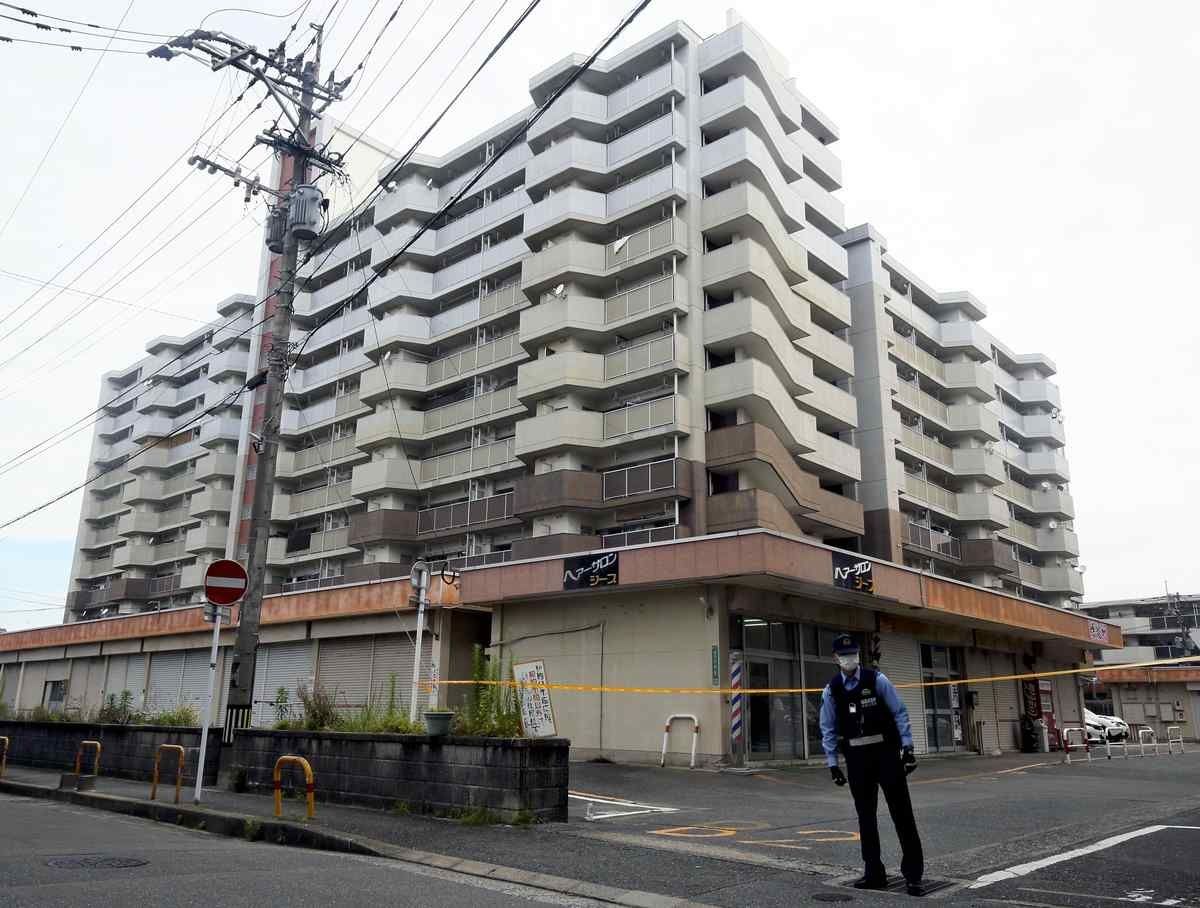
A 36-year-old woman has been taken into custody in Fukuoka City after allegedly killing her 33-year-old friend in a violent predawn attack on Thursday, June 18. Officers from the Higashi Station of the Fukuoka Prefectural Police responded to reports from the residential address and discovered the victim with severe injuries. She was immediately transported to a nearby hospital but was pronounced dead upon arrival, transforming what initially appeared to be an assault case into a homicide investigation.
The fatal incident unfolded around 3.15am at the residence, when the suspect allegedly used a knife-like implement to repeatedly strike her companion in the neck and chest area. The brutality of the assault and the domestic setting where it occurred have raised concerns about safety within private homes and the unpredictability of violence erupting between people with established relationships. Law enforcement officials arrived at the scene after receiving emergency notification, securing the premises and initiating their preliminary investigation into the circumstances surrounding the attack.
The suspect was initially charged with attempted murder when first brought into custody, though the Higashi Station indicated that the charge classification would be upgraded to murder given the fatal outcome of the victim's injuries. Such reclassification is standard procedure in Japanese criminal law when a suspect's alleged actions result in a death rather than an assault with intent to harm. The procedural shift reflects the severity of the case and the prosecutorial direction authorities intend to pursue.
During questioning, the woman provided what appeared to be a straightforward confession regarding her actions. When confronted with evidence and details of the incident, she stated: "It's true I did it. I stabbed her many times." Her admission to police eliminated much of the investigative uncertainty typically present in violent crime cases, though it does not address the underlying motive or circumstances that preceded the fatal confrontation. Authorities have not yet disclosed what relationship existed between the two women or what may have triggered the violent episode.
What compounds the tragedy and has drawn particular concern from child welfare advocates is that three elementary school-aged children were present in the residence at the time of the killing. The youngsters were sleeping in a separate room when the attack took place, potentially sparing them from direct witnessing of the violence but subjecting them to the traumatic discovery and aftermath of their mother's death. The psychological impact on children who lose a parent to such sudden and violent circumstances requires specialized support and counseling services that Japanese authorities are likely to coordinate.
This case reflects a troubling pattern seen occasionally in Japan and across East Asia where violence erupts in domestic settings involving acquaintances living together. The proximity of the children raises questions about the living arrangements, whether the women shared housing arrangements, and how the suspect had access to the victim's residence at that hour. In densely populated urban areas like Fukuoka City, multi-family homes and shared living spaces are common, but they also present unique risks when interpersonal conflicts escalate unexpectedly.
Japan's homicide rate remains relatively low compared to other developed nations, but domestic violence and crimes involving acquaintances do occur regularly enough to warrant ongoing police training and community awareness initiatives. The Fukuoka Prefectural Police have not commented on whether there were previous reports of conflict between the two women or if this attack represented a sudden eruption of violence. Understanding these patterns helps law enforcement and social services develop better prevention and intervention strategies.
The investigation is now focused on establishing the complete timeline of events, identifying any preceding disputes or tensions, and examining whether warning signs existed that might have prevented the tragedy. Forensic analysis of the scene, the weapon used, and medical examination of the victim will provide detailed evidence to support the murder charge and prosecution. The apparent confession may streamline the judicial process, though Japanese courts typically conduct thorough proceedings regardless of admissions of guilt.
For the three children left behind, the incident represents an unimaginable loss and disruption to their lives. Japanese social welfare agencies typically intervene to arrange care, counseling, and support for minors affected by parental death resulting from violent crime. The extended family or social services system will need to address both their immediate protection and longer-term emotional recovery. This aspect of the tragedy, though not typically emphasized in crime reporting, represents a significant ongoing consequence of the killing.