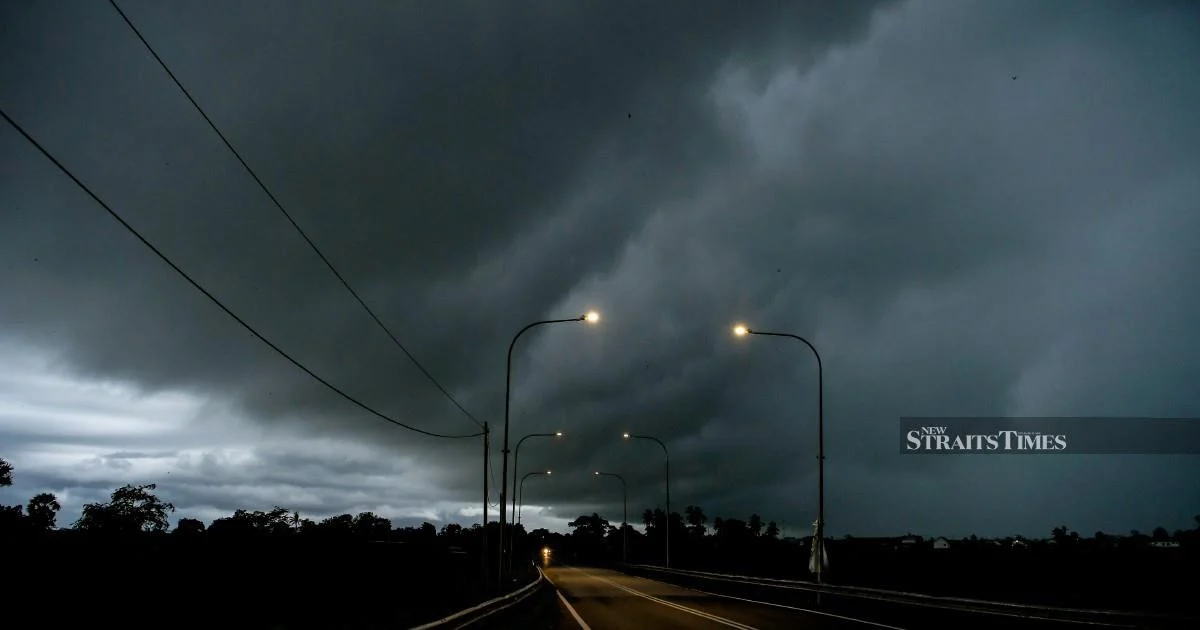
Malaysia's Meteorological Department (METMalaysia) has activated a significant weather alert covering 12 regions nationwide, warning the public to brace for thunderstorms accompanied by strong winds and torrential rainfall through this morning until 9am. The advisory encompasses the Federal Territories of Putrajaya and Labuan alongside ten additional states across the peninsula and Borneo, indicating the extent and severity of the atmospheric disturbance moving through the country.
Thunderstorm warnings in Malaysia typically signal the presence of unstable atmospheric conditions capable of producing sudden, intense precipitation and dangerous wind gusts within affected areas. These phenomena can develop rapidly and with minimal advance notice, making real-time alerts from METMalaysia essential for public safety planning. The department's forecasting systems continuously monitor atmospheric pressure, moisture levels, and wind shear patterns to identify such hazardous conditions before they materialise across populated zones.
For residents and commuters in the affected regions, such warnings carry practical implications for daily routines. Heavy downpours can quickly overwhelm drainage systems, particularly in low-lying areas and established flood-prone zones, creating temporary inundation of roads and disrupting traffic flow. The strong winds component poses risks to outdoor structures, signage, and vegetation, potentially causing debris to scatter across streets and creating hazards for pedestrians and vehicles alike.
Putrajaya, Malaysia's administrative capital located south of Kuala Lumpur, frequently experiences such weather phenomena due to its geographic positioning and exposure to moisture-laden air masses that drift across the region. Labuan, the offshore financial centre in Sabah, similarly sits in a location where tropical weather systems regularly generate intense convective activity, particularly during transitional seasons when wind patterns shift across the South China Sea.
The inclusion of ten additional states suggests this weather system affects a broad geographic sweep, potentially spanning multiple peninsular states and portions of East Malaysia. Such widespread coverage indicates a substantial weather system rather than a localised thunderstorm cell, requiring coordinated preparedness responses across multiple state jurisdictions and local authorities.
METMalaysia's decision to set the alert window until 9am this morning suggests meteorologists expect the system's most intense activity to occur during overnight and early morning hours, with conditions stabilising as the day progresses. This timing aligns with typical diurnal patterns of thunderstorm development in tropical regions, where cooler early-morning air and residual atmospheric instability from the previous day can trigger renewed convective activity.
Public authorities typically respond to such alerts by increasing readiness at emergency response centres, positioning additional resources near flood-prone areas, and maintaining heightened awareness among traffic management and civil defence personnel. The predictability window allows critical infrastructure operators—including power utilities, water authorities, and telecommunications providers—to implement protective measures and prepare contingency plans for potential service disruptions.
For travellers and commuters planning their morning routines, the alert underscores the importance of monitoring weather updates before departing, allowing extra travel time for congested conditions, and avoiding unnecessary exposure during peak storm activity. Drivers should exercise particular caution on highways and arterial roads where sudden visibility reduction from heavy rain combined with strong crosswinds can destabilise vehicles, especially larger commercial transport.
METMalaysia maintains an extensive network of weather stations, radar systems, and satellite monitoring capabilities that enable the department to track developing weather systems and issue timely public warnings. The precision of these forecasts depends on continuous data collection and sophisticated meteorological modelling, representing a critical public service during Malaysia's tropical climate, which regularly generates such atmospheric disturbances.
The alert also highlights the importance of public awareness regarding weather safety protocols. Residents should secure loose outdoor items, avoid unnecessary outdoor activities during peak storm hours, and remain vigilant for emergency service communications or additional advisories should the situation intensify beyond current forecasts. Schools and workplaces in affected areas may experience disruptions requiring flexible contingency planning from both institutions and commuters.
While such thunderstorm warnings are relatively common features of Malaysia's meteorological landscape, each alert represents a potential public safety concern requiring attention and preparation. The department's proactive communication strategy helps distribute responsibility for weather resilience across institutional and individual levels, fostering a culture where communities recognise and prepare for foreseeable atmospheric hazards before they develop into emergency situations.

