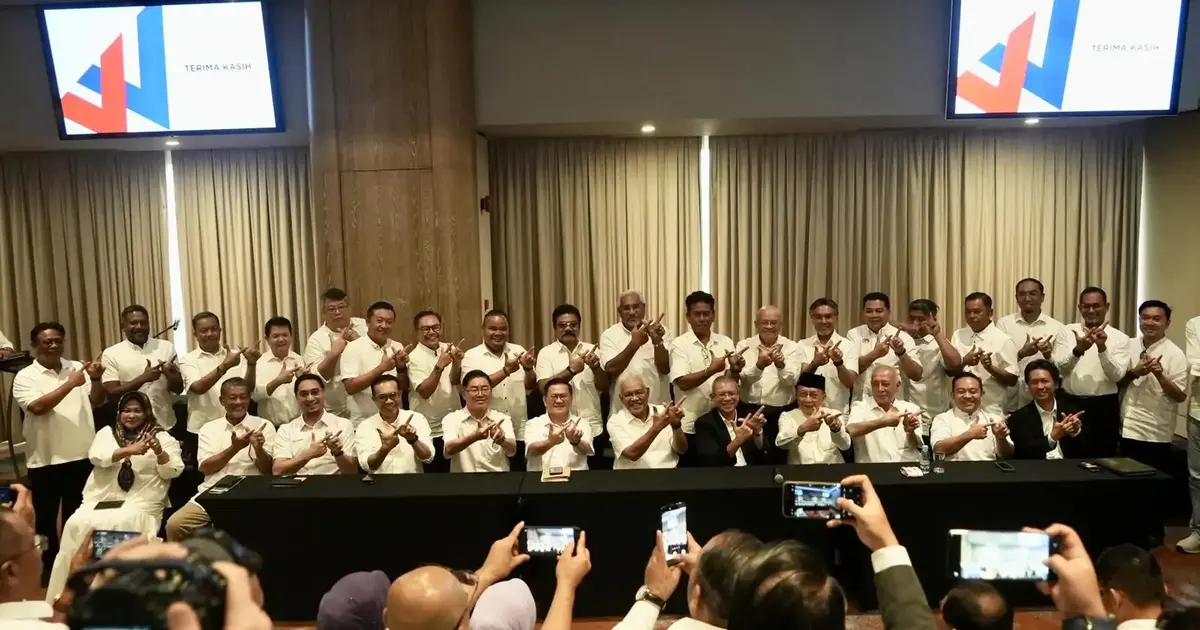
The admission of Wawasan into the Perikatan Nasional coalition has been formally settled through a majority decision by the bloc's Supreme Council, according to the coalition's election director Sanusi, effectively closing debate on the contentious matter that has threatened internal unity within the opposition grouping.
Sanusi's statement represents an effort to move past the disagreement that surfaced when Bersatu, a significant component party within PN, raised formal objections to Wawasan's inclusion. By characterising the outcome as a Supreme Council determination rather than a unilateral decision, the PN leadership is seeking to project procedural legitimacy and collective endorsement for the move, even as it acknowledges the dissenting position from one of the coalition's major players.
The distinction between a democratic majority outcome and a consensus-based approach carries substantial weight in Malaysian coalition politics, where perceptions of fairness and inclusive decision-making directly influence party cohesion. Sanusi's framing suggests that while Bersatu's concerns were formally recorded and considered, the preponderance of other coalition members voted in favour of Wawasan's entry, thereby establishing the precedent that the majority view would prevail in such matters.
Bersatu's objections reveal underlying tensions within the PN coalition regarding strategic direction and the terms on which new political entities are integrated into the grouping. The party's willingness to register its opposition formally, despite being outvoted, indicates a degree of internal democratic process within PN structures, though it simultaneously underscores the potential for friction between coalition members when pursuing divergent political interests or maintaining separate organisational identities.
For Malaysian political observers, the admission of Wawasan into PN carries implications beyond merely expanding the coalition's membership roster. The decision signals PN's appetite for growth and consolidation ahead of critical electoral periods, suggesting the coalition is actively seeking to attract fresh political entities or realigned factions that might strengthen its electoral appeal or parliamentary representation across different geographical constituencies and demographic segments.
The timing of this resolution is significant within Malaysia's broader political landscape, where coalition configurations remain fluid and negotiations over representation and party positioning continue. By resolving the Wawasan matter through established procedural mechanisms, PN leadership has demonstrated an ability to manage internal disagreements without allowing them to paralyse decision-making, though questions remain about whether such victories at the Supreme Council level foster genuine consensus or merely paper over deeper strategic divisions.
Bersatu's stance warrants examination in the context of its own political standing within PN. As a party that has already experienced considerable internal upheaval and shifts in leadership and direction, Bersatu's willingness to voice objections suggests it remains engaged in coalition processes and unwilling to rubber-stamp decisions it perceives as problematic. This posture could reflect genuine policy concerns or could indicate calculations about preserving party autonomy and leverage within the broader coalition structure.
The practical consequences of Wawasan's entry into PN will likely unfold across several domains. electorally, the coalition gains access to whatever organisational infrastructure and voter networks Wawasan commands, potentially bolstering competitiveness in constituencies where the new entrant possesses established presence. Institutionally, PN's decision-making structures must accommodate Wawasan's representation in relevant councils and committees, necessitating adjustments to internal governance arrangements and potentially altering voting dynamics on future coalition decisions.
The Supreme Council's authority to make this determination reflects PN's constitutional architecture, wherein strategic decisions rest with the highest collective body rather than individual party leaders or smaller executive committees. This arrangement theoretically ensures broader buy-in, though as the Bersatu objection demonstrates, majority votes do not necessarily eliminate lingering dissatisfaction among minority factions who must then implement decisions they opposed.
Looking forward, Sanusi's confirmation that the matter has been conclusively settled by majority vote establishes a precedent for how PN will handle similar admission applications or coalition expansion proposals. This clarity regarding decision-making processes, while potentially restrictive for individual parties seeking veto power over coalition growth, provides a degree of institutional predictability that can stabilise coalition operations during periods of significant political change.
The episode also illustrates the continuing evolution of opposition politics in Malaysia, where former governing coalitions and newer political groupings must develop mechanisms for internal governance that balance inclusivity with operational efficiency. As PN positions itself as a credible alternative to Barisan Nasional and Pakatan Harapan, its capacity to manage internal disagreements while maintaining coalition functionality becomes increasingly central to its credibility with voters and potential coalition partners alike.

