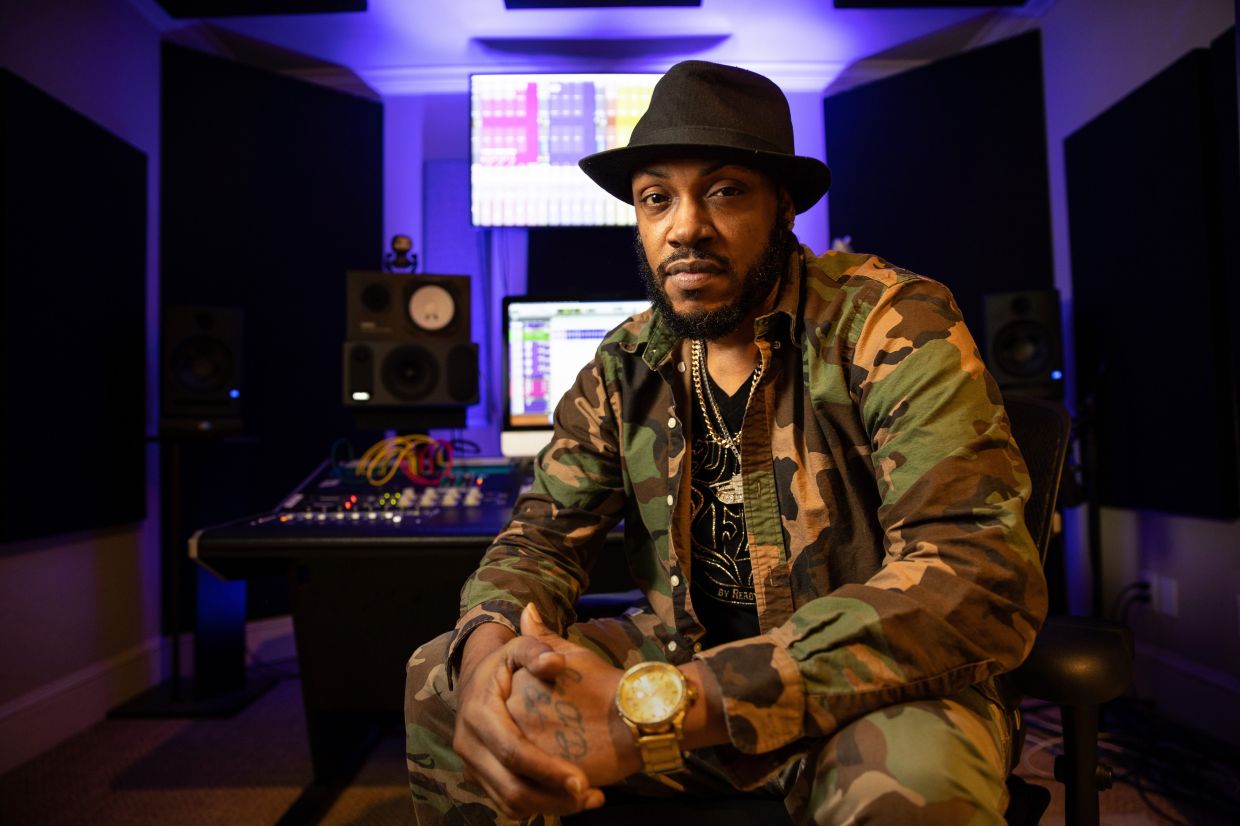
The Louisiana-born rapper known professionally as Mystikal, whose real name is Michael Lawrence Tyler, will spend two decades behind bars after being sentenced for sexually assaulting a woman at his Prairieville home in 2022. The Grammy-nominated artist, who achieved considerable commercial success during the late 1990s and early 2000s, accepted a plea deal in March that reduced his original first-degree rape charge to third-degree rape, thereby avoiding an automatic life sentence that would have accompanied a conviction on the more serious charge.
Tyler's legal trajectory demonstrates the significant consequences of his decision to plead guilty to the lesser charge. The plea agreement capped his sentence at 20 years, which represents five years below the maximum penalty available for third-degree rape under Louisiana law. This negotiation proved consequential, as a conviction on the original first-degree rape charge would have resulted in a mandatory life imprisonment sentence with no possibility of parole. The reduction in charges effectively cost the victim and prosecution the opportunity to pursue what many would consider the most severe form of accountability available through the state's criminal justice system.
In a dramatic turn just days before his sentencing hearing, Tyler requested permission from the presiding judge to withdraw his guilty plea, arguing that he had insufficient time to adequately contemplate the ramifications of his admission. This last-minute legal maneuver, reported by ABC affiliate WBRZ, represented an attempt to reverse course after months of proceeding through the plea process. The timing of his withdrawal request—mere days before sentencing—underscored either a genuine change in his legal strategy or mounting regret about his earlier decision to accept culpability.
The victim's testimony during the sentencing proceedings provided harrowing details of the assault, as she confronted the defendant in open court. She recounted that Tyler had struck her, restricted her airway by choking her, tore out her braids, and subjected her to forced sexual assault within his residence. Critically, the victim explicitly requested that the judge impose the maximum possible sentence, arguing that the severity of his conduct warranted the full force of the law. This emotional confrontation forced Tyler to reckon directly with the consequences of his actions, prompting what appeared to be a moment of acknowledgment when he stated that if he had been on the receiving end of such violence, he would believe himself deserving of the maximum penalty.
Tyler's criminal history adds troubling context to the current conviction and raises questions about systemic patterns in his behaviour. In 2003, he had previously pleaded guilty to sexual battery charges, resulting in a six-year prison sentence at that time. The fact that another sexual crime conviction has followed nearly two decades later suggests that his earlier incarceration failed to produce meaningful rehabilitation or behavioural change. Notably, even as he was navigating that 2003 legal case, Tyler managed to secure two Grammy nominations, demonstrating how the music industry and broader entertainment ecosystem sometimes operates separately from accountability mechanisms.
Tyler's ascent in the entertainment world occurred primarily during the 1990s, when he transitioned from relative obscurity to international recognition through his distinctive performance style and commercially successful recordings. His talents as a performer and musician earned him considerable financial reward and cultural prominence during an era when hip-hop was consolidating its position as America's dominant musical genre. The contrast between his previous celebrity status and his current circumstances serves as a stark reminder that professional achievement and legal accountability represent separate spheres that ultimately intersect.
Throughout his legal proceedings, Tyler has remained incarcerated at the Ascension Parish Jail without the possibility of bail since his 2022 arrest. This extended pretrial and trial detention period spanning several years reflects the seriousness with which the judicial system treated the charges and the judge's assessment of flight risk and public safety concerns. His continued confinement demonstrates that his previous celebrity profile did not insulate him from rigorous detention conditions imposed on individuals accused of violent sexual crimes.
The case resonates beyond the immediate parties involved, touching on broader questions about institutional accountability within the entertainment industry and the criminal justice system's capacity to address sexual violence. The fact that a previously convicted sex offender managed to rebuild a career and maintain public prominence for nearly two decades before facing new charges suggests potential gaps in how institutions—whether in music, law enforcement, or entertainment generally—implement oversight and protection mechanisms.
For Malaysian and Southeast Asian observers, this case exemplifies patterns of sexual violence and inadequate accountability that transcend geographical boundaries. While legal systems across the region vary significantly, the challenge of securing justice for sexual assault victims and preventing recidivism among perpetrators remains universal. Tyler's trajectory from earlier conviction to renewed charges offers cautionary lessons about the necessity for sustained monitoring, community awareness, and institutional commitment to supporting survivors beyond initial legal proceedings.

