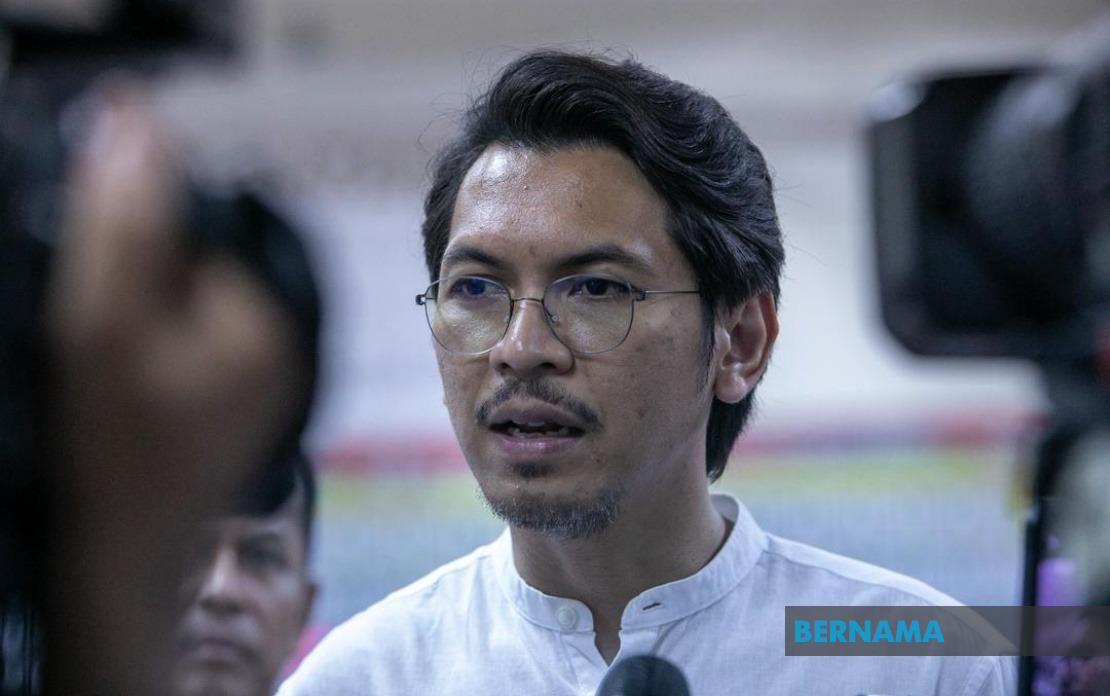
A memorandum of understanding between the United States and Iran aimed at resolving their escalating tensions could provide meaningful relief to Malaysia's energy sector and regional markets more broadly, according to Muhammad Kamil Abdul Munim, Political Secretary to the Minister of Finance. Speaking at an official ceremony in Kuala Kangsar, he cautioned that while the agreement represents a positive development, the benefits will not materialise overnight, and global oil price stability will require a gradual recovery period spanning several months.
The geopolitical crisis centred on the Strait of Hormuz has sent shockwaves through international commerce, disrupting one of the world's most critical chokepoints for energy trade. Malaysia, as an export-dependent economy deeply integrated into global supply chains, faces particular vulnerability to sustained oil price volatility and maritime shipping disruptions. The reopening of shipping corridors through this strategic waterway would allow oil tankers and merchant vessels to resume normal operations, potentially easing the inflationary pressures that have rippled across the region and burdening consumers and businesses alike.
Muhammad Kamil acknowledged that even as tensions ease, the full normalisation of oil markets will prove complicated. Beyond simply resuming normal supply flows, the global shipping industry must contend with legacy costs accumulated during the crisis period. Insurance premiums for vessels have spiked, logistics networks have been reconfigured, and transport expenses have escalated significantly. These elevated operational expenses will likely persist for months, creating a lag between the resolution of geopolitical tensions and the realisation of lower energy costs for end consumers. This temporal disconnect is a crucial detail that often escapes public discourse focused solely on headline peace announcements.
Prime Minister Datuk Seri Anwar Ibrahim has already signalled optimism regarding the negotiations, expressing confidence that the emerging agreement framework could catalyse broader stability across the Middle East. The two nations have a maximum 60-day window to formalise their understanding into a comprehensive final agreement. Should this timeline hold, it would represent a significant diplomatic achievement with implications extending well beyond bilateral US-Iran relations to encompass global energy security and economic stability across Asia-Pacific markets.
Malaysia's government has proactively implemented measures designed to insulate domestic consumers from the worst effects of global oil price shocks. The subsidised price of RON95 petrol remains fixed at RM1.99 per litre, a policy that distinguishes Malaysia from many comparable economies that have allowed prices to rise freely. This intervention reflects the government's commitment to managing inflation and protecting household purchasing power during an extraordinarily volatile period. The Economic Action Council will continue monitoring the situation, with particular attention to the forthcoming four to six months as the geopolitical picture clarifies and global markets stabilise.
Beyond price controls, the government has introduced targeted assistance mechanisms such as the BUDI MADANI RON95 initiative, which currently allocates 200 litres of subsidised fuel monthly to qualifying recipients. Muhammad Kamil indicated that this programme will undergo reassessment based on evolving global crude prices and supply conditions. The government's approach reflects a delicate balancing act between fiscal sustainability and social protection, ensuring that policy responses remain calibrated to genuine market developments rather than locked into predetermined formulas.
The government's broader strategic response extends into energy diversification, an area where bilateral relations with Russia assume heightened importance. Anwar Ibrahim's official visit to Russia represents a deliberate effort to strengthen economic ties and explore partnership opportunities in energy markets. Russia possesses substantial economic capacity and sophisticated energy infrastructure, making it a natural counterpart for a resource-conscious nation seeking to reduce import dependency and broaden its energy portfolio. For Malaysia, establishing deeper relationships with major energy producers creates pathways for supply diversification that can reduce vulnerability to supply shocks emanating from any single geopolitical region.
This hedging strategy reflects mature economic thinking. Rather than placing excessive reliance on Middle Eastern energy supplies, Malaysia can develop more balanced relationships spanning multiple regions and producers. Such diversification enhances resilience and strengthens Malaysia's negotiating position within global energy markets. The diplomatic groundwork being laid now will compound into strategic advantages over the medium to long term, positioning Malaysia more favourably should future disruptions occur.
For Malaysian businesses and consumers, the implications of a US-Iran peace accord extend beyond simple fuel pump prices. Agricultural exporters, manufacturers dependent on petroleum-derived inputs, transportation companies, and logistics providers all face material impacts from energy cost fluctuations. Small and medium enterprises operating with tight margins have experienced severe pressure during the recent crisis period. Any durable reduction in energy costs would provide breathing room for these businesses to stabilise operations and reinvest in growth rather than simply absorbing elevated input expenses.
The broader Southeast Asian context also merits consideration. Thailand, Vietnam, Indonesia, and the Philippines all depend heavily on stable energy supplies and predictable international shipping routes. A resolution to US-Iran tensions would benefit the entire region's economic trajectory. However, the temporary nature of any early relief should be understood clearly. Markets will likely experience a gradual normalisation rather than sudden price collapses, and structural vulnerabilities in global energy markets will persist despite the easing of this particular crisis.
Muhammad Kamil's measured assessment, while optimistic about the agreement's potential, appropriately emphasises the realistic timeline for benefits to materialise across Malaysia's economy. The distinction between diplomatic progress and market stabilisation remains crucial. Investors, policymakers, and households should prepare for a recovery measured in months rather than weeks, during which energy costs may remain elevated relative to pre-crisis baselines. This patient realism, combined with proactive government measures and strategic international engagement, represents Malaysia's most effective response to the challenges posed by Middle Eastern instability.

