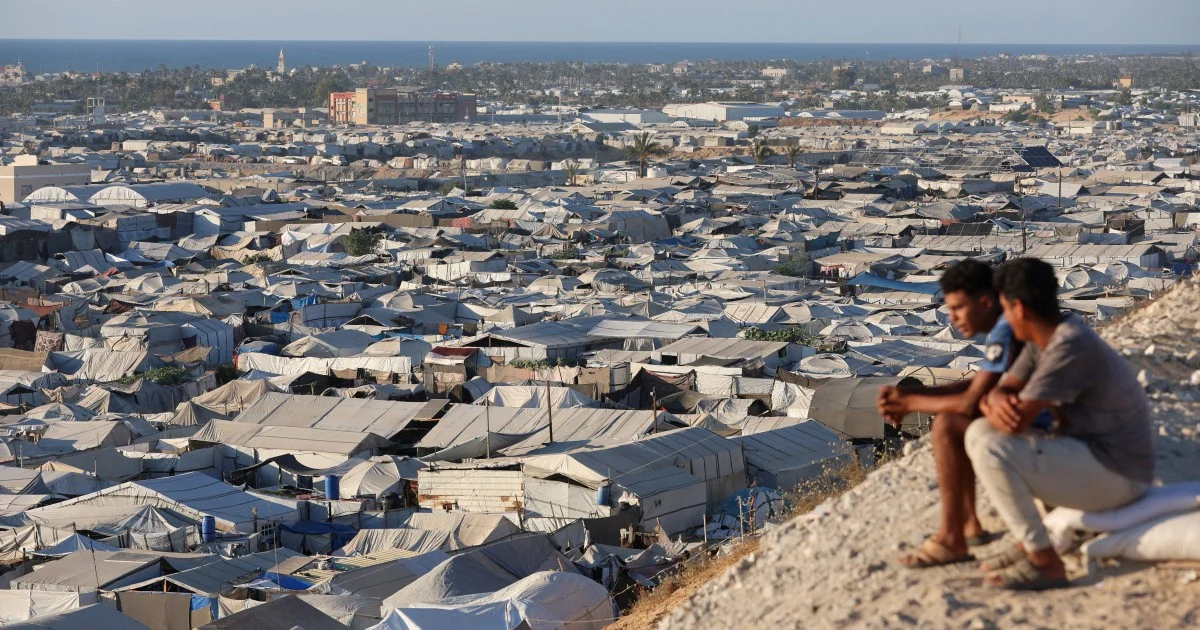
The United Nations delivered a scathing assessment of the Gaza ceasefire on Wednesday, declaring that the truce brokered more than eight months prior amounts to little more than a dangerous façade that has failed to protect civilians. Speaking from Geneva, UN officials highlighted the grim toll of continuing violence in the enclave, particularly the deaths of 265 children since the ceasefire's inception, underscoring what many describe as a fundamental breakdown in the agreement's enforcement and legitimacy.
The characterization of the ceasefire as a 'deadly illusion' represents an unusually direct critique from the international organization, reflecting mounting frustration with the persistence of violence despite the nominal pause in hostilities. This language signals that UN agencies, far from accepting the technical terms of the ceasefire agreement, view it as substantively hollow—a label that carries significant weight in international diplomatic circles and suggests deep concerns about the mechanisms designed to monitor and maintain the truce.
The death toll among children is particularly alarming because it underscores how vulnerable populations continue to bear the heaviest burden of conflict, even when fighting is ostensibly suspended. For Malaysian policymakers and regional observers, this pattern echoes concerns raised in previous Middle Eastern conflicts, where civilian protection measures have frequently proven inadequate. The scale of child casualties—265 documented deaths—suggests that either the ceasefire lacks effective enforcement mechanisms or that sporadic violence continues unabated in violation of the supposed agreement.
UNICEF, the UN's child welfare agency, has been among the most vocal international bodies documenting the humanitarian crisis in Gaza. The agency's assessment that children remain in mortal danger despite the ceasefire indicates that the security situation on the ground remains fundamentally unstable. This finding has implications beyond Gaza itself, as it raises questions about the reliability of similar agreements in other conflict zones and whether international mechanisms for enforcing ceasefires require substantial reform.
The eight-month timeframe mentioned in the UN statement positions this ceasefire assessment at a critical juncture. Initial hopes that the passage of time would stabilize conditions appear unfounded, suggesting instead that the underlying drivers of conflict remain unresolved. Southeast Asian nations, many of which have experience with their own post-conflict transitions and peacebuilding efforts, may view this development with particular concern, as it demonstrates how difficult it is to maintain ceasefires without addressing root causes of conflict.
The continuation of violence after the formal ceasefire raises fundamental questions about who bears responsibility for violations and whether existing diplomatic tools are sufficient to enforce international agreements. In the Malaysian context, where the country has historically advocated for international law and multilateral solutions to regional disputes, the apparent ineffectiveness of the Gaza ceasefire may inform perspectives on how such agreements should be structured and monitored going forward.
The UN's characterization also reflects broader frustrations with parties to the conflict who may not be honoring their commitments under the ceasefire framework. Whether violations stem from systematic breaches, localized incidents beyond central control, or deliberate circumvention of the agreement remains a critical analytical question. The persistence of casualties despite the nominal ceasefire suggests that enforcement remains weak, possibly indicating that the agreement lacks sufficient international backing or verification mechanisms to prevent violations.
For humanitarian organizations operating in Gaza, the UN's stark assessment provides vindication of their own reports documenting ongoing violence, displacement, and civilian suffering. This convergence of independent testimony and official UN statements strengthens the evidentiary basis for claims that the ceasefire has fundamentally failed to achieve its humanitarian objectives. Malaysian human rights organizations and civil society groups monitoring the situation have similarly raised alarms about the disconnect between the ceasefire's announced status and the actual security conditions faced by Gaza's population.
The implications of this failed ceasefire extend to regional stability more broadly. If major international agreements cannot be effectively enforced, confidence in multilateral mechanisms weakens, potentially complicating future diplomatic efforts to resolve disputes. For Southeast Asia, where countries navigate complex security relationships and sometimes contentious territorial claims, the lesson is clear: paper agreements without robust verification and enforcement mechanisms may provide false comfort while doing little to protect vulnerable populations.
Moving forward, the UN's damning assessment suggests that achieving sustainable peace in Gaza will require more than the nominal suspension of fighting. Addressing the underlying political disputes, ensuring accountability for violations, and establishing credible monitoring systems appear to be prerequisites for any ceasefire that merits genuine belief. The 265 child deaths documented since the ceasefire began serve as a tragic reminder that agreements on paper have meaning only when backed by political will, international enforcement capacity, and genuine commitment from all parties.
The UN's language—describing the ceasefire as a 'deadly illusion'—also reflects a shift in tone from international bodies that may have initially welcomed the agreement as progress. This recalibration suggests growing consensus that incremental developments in Gaza require far more scrutiny and skepticism than diplomatic circles initially offered. For Malaysia and other developing nations invested in international peace processes, the cautionary tale here is that premature declarations of success can obscure continuing humanitarian crises and delay more serious interventions.
As the situation develops, international pressure may intensify for either meaningful enforcement of the existing ceasefire or negotiation of fundamentally new arrangements addressing the root causes of renewed violence. The UN's assessment appears designed partly to jolt the international community into recognizing that the current framework is insufficient, a message that resonates particularly strongly in regional contexts where similar ceasefires have faltered in the past.

