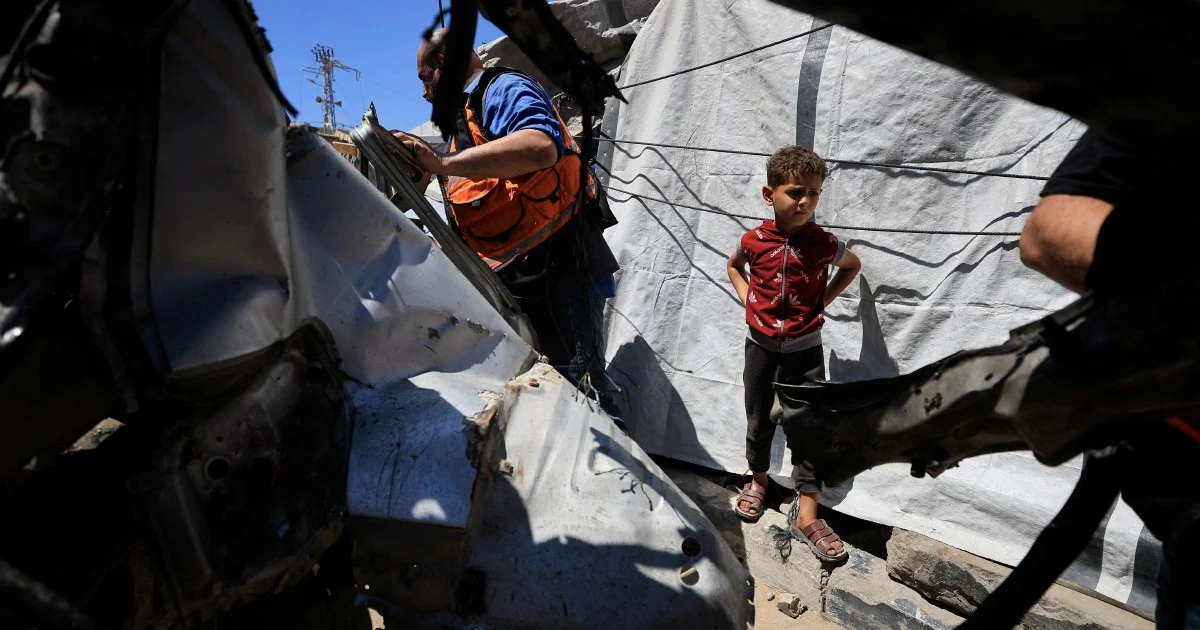
United Nations investigators released a damning report on Tuesday alleging that Israel is systematically and deliberately targeting Palestinian children as a central component of what they characterise as an ongoing genocide in the Gaza Strip. The accusation represents one of the most serious charges levelled against Israeli military operations by an international body, drawing swift and forceful denials from Israel.
The investigators, operating under the auspices of the UN's fact-finding mechanisms, presented their findings to the international community in Geneva, providing what they framed as documentary evidence of a pattern rather than isolated incidents. The framing of deliberate targeting of children—a civilian population segment entitled to maximum protection under international humanitarian law—carries profound legal and moral weight, elevating the severity of allegations beyond disputes over proportionality or civilian casualties in conflict.
The claim that harm to children constitutes a defining characteristic of the broader alleged genocide reflects international legal thresholds established by the Genocide Convention. Under that framework, actions targeting specific groups with intent to destroy them—or substantial portions thereof—constitute genocide. The investigators' assertion that children are being deliberately targeted suggests they view the military campaign as driven by intent to destroy Palestinian life and society, rather than as collateral damage from operations against armed groups.
Israel's immediate rejection of the report underscores the stark polarisation surrounding interpretations of events in Gaza. The Israeli government has consistently maintained that its military operations target Hamas and other armed groups, and that civilian casualties, including those involving children, result from the location of military infrastructure within civilian areas and the use of civilians as human shields. This fundamental disagreement over intent and causation remains the core dispute between Israel and its international critics.
For Malaysian policymakers and the broader Southeast Asian region, the UN investigation carries significant implications. Malaysia and several other ASEAN nations have been vocal critics of Israeli military operations in Gaza, with domestic constituencies expressing strong concern over civilian casualties. The detailed allegations from UN investigators provide international legal substance to positions these countries have advanced in regional and global forums, potentially emboldening their advocacy at the United Nations and other multilateral bodies.
The investigation also raises questions about accountability mechanisms and international justice. If the charges of deliberate targeting and genocide are sustained through further legal processes, they could form the basis for referrals to the International Criminal Court, adding another layer of international scrutiny to Israeli military operations. Such developments would occur against the backdrop of existing ICC investigations into potential crimes by both Israeli and Palestinian armed actors.
The timing of the report reflects ongoing international efforts to document allegations and establish factual records while the conflict continues. Investigations conducted during active conflict face inherent challenges in gathering evidence and ensuring access to affected areas, yet they serve the important function of creating contemporaneous records rather than relying solely on retrospective accounts. The UN investigators' work contributes to what could eventually form the evidentiary basis for transitional justice mechanisms or accountability processes.
The children's protection angle deserves particular attention given international consensus around the vulnerability of minors in conflict settings. Allegations of deliberate targeting of children violate not only genocide conventions but also additional protocols to the Geneva Conventions and the UN Convention on the Rights of the Child. The convergence of multiple legal violations—if substantiated—would represent extraordinary breaches of international humanitarian law.
For humanitarian organisations operating in the region, the investigation underscores the ongoing documentation challenges and ethical complexities of bearing witness to alleged atrocities while maintaining operational presence. International NGOs working in Gaza have documented significant child mortality and injury, though distinguishing between casualties resulting from deliberate targeting versus those arising from proximity to military objectives remains contested between different observers.
The investigation's findings will likely influence diplomatic positioning ahead of potential cease-fire negotiations or peace talks. Countries that view the allegations as credible may condition their participation in conflict resolution processes on accountability mechanisms, whilst others may argue that such investigations complicate ongoing diplomatic efforts to end hostilities. Regional powers and international stakeholders will need to navigate these tensions as they pursue their respective agendas regarding Palestinian-Israeli peace.
The report also highlights persistent challenges in international justice systems when powerful nations are the subject of investigation. Israel's capacity to reject findings and maintain substantial international support—particularly from key Western allies—demonstrates the limits of investigation-based accountability absent concurrent political will for enforcement or consequences. This asymmetry in accountability mechanisms remains a source of frustration for many nations and civil society advocates.
Looking ahead, the UN investigators' work will likely feed into broader discussions about the future of Palestinian-Israeli relations and regional security architecture in the Middle East. Whether their allegations advance toward formal legal proceedings or remain part of the public record will depend on subsequent international action and political dynamics that extend far beyond the investigation itself. For the international community, including Southeast Asian nations, how this moment is handled will carry implications for the credibility and effectiveness of international justice mechanisms.

