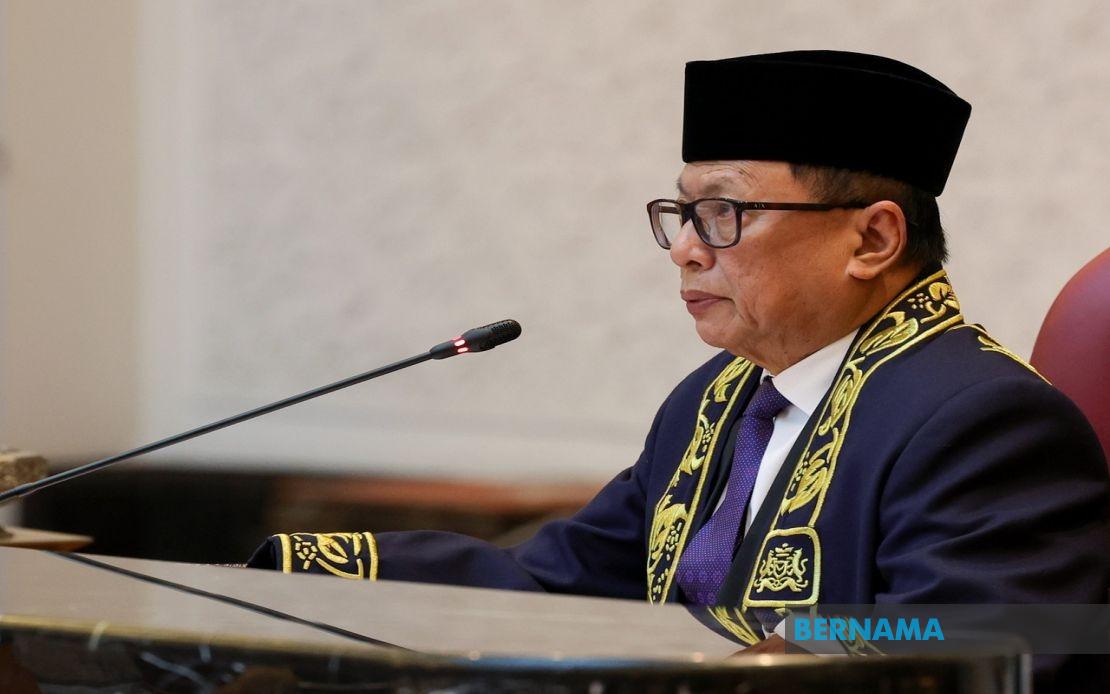
Datuk Dr Mohd Puad Zarkashi, a Supreme Council member of UMNO, formally exited the party on June 25, 2026, delivering a scathing critique of Johor's political leadership in the process. The announcement came through a Facebook post, where the Rengit state assemblyman declared his decision immediate and unconditional, framing his departure as a necessary step to preserve his political conscience and independence of thought.
The timing of Zarkashi's exit coincides with broader discontent over candidate selection processes for the Johor state election. Days before his announcement, the former Batu Pahat Member of Parliament had hinted at irregularities in how Barisan Nasional nominees were chosen, suggesting his departure was less spontaneous than presented. His decision to vacate the Rengit seat despite winning it in 2022—citing a desire to make room for younger candidates—now appears more strategic, potentially clearing space for a more ideologically aligned representative.
Zarkashi's principal grievance centred on Johor Chief Minister Onn Hafiz, whom he characterised as a "pak turut," or yes-man, effectively rendering the Johor UMNO machinery a subordinate entity without genuine autonomy. This language carries particular weight in Malaysian political discourse, implying a leader who lacks the independent judgment or political courage to challenge superiors or advocate for party interests with conviction. The accusation suggests Zarkashi views Onn Hafiz as beholden to federal-level power brokers rather than responsive to grassroots party sentiment.
By voluntarily resigning rather than waiting for expulsion, Zarkashi positioned his departure as a principled choice while simultaneously preventing UMNO from controlling the narrative. His statement explicitly referenced this tactical consideration, noting that resignation would spare the party from pursuing formal disciplinary action. This approach allowed him to maintain a measure of dignity while preserving his right to criticise UMNO publicly without the traditional constraints imposed on departing members who are formally removed.
For Malaysia's political landscape, Zarkashi's resignation underscores tensions simmering within UMNO's Johor structure ahead of state elections. The party has historically benefited from presenting a unified front in its stronghold, yet this very unity now appears fragile when measured against individual members' concerns about governance and decision-making processes. Zarkashi's experience—including prior roles as Deputy Education Minister and as head of JASA, the Special Affairs Department—lends credibility to his criticism, as he speaks from a position of institutional knowledge rather than peripheral grievance.
The specific allegations regarding candidate selection irregularities warrant examination, particularly given UMNO's stated commitment to democratic internal procedures. If selection processes departed from established norms or excluded meritorious candidates, such deviations would undermine party legitimacy among the membership base. Zarkashi's public airing of these concerns, rather than working through internal channels, suggests either that those channels have become ineffective or that he calculated public disclosure would generate greater pressure for accountability.
Regionally, Zarkashi's exit contributes to a pattern of senior figures abandoning Malaysia's traditional coalitions. His move echoes similar departures across other parties and signals that even long-serving, experienced politicians no longer view party membership as career-essential if their policy positions or ethical concerns diverge from leadership priorities. This fragmentation, while potentially healthy for internal debate, complicates coalition governance and muddies voter expectations about party positioning.
The reference to Zarkashi's previous electoral history—including his 2018 loss to PKR's Mohd Idris Jusi in Batu Pahat by a narrow margin of 1,524 votes—adds context to his current positioning. Having experienced electoral defeat, he may now prioritise speaking freely over maintaining party discipline, recognising that loyalty to an institution he views as compromised offers fewer tangible political benefits. His framing of resignation as an act of "political courage" thus carries both genuine conviction and strategic calculation.
Johor UMNO's ability to respond constructively to Zarkashi's departure will shape internal party dynamics significantly. Should other senior figures echo his concerns, the party risks appearing fractured ahead of crucial state elections. Conversely, if the leadership dismisses his allegations as personal grievance, they risk entrenching an image of insularity and resistance to legitimate criticism. The coming weeks will clarify whether Zarkashi's exit catalyses broader questioning within UMNO or remains an isolated incident of factional dissatisfaction.
The broader implication for Malaysian governance concerns the health of UMNO as an institution capable of accommodating diverse viewpoints while maintaining coherent policy direction. If experienced party members feel compelled to abandon the organisation to voice legitimate concerns, UMNO risks losing institutional depth and the moderating influence of seasoned voices. Conversely, the party's willingness to tolerate such departures without resorting to legal action or defamation suits demonstrates a degree of democratic tolerance worth noting.

