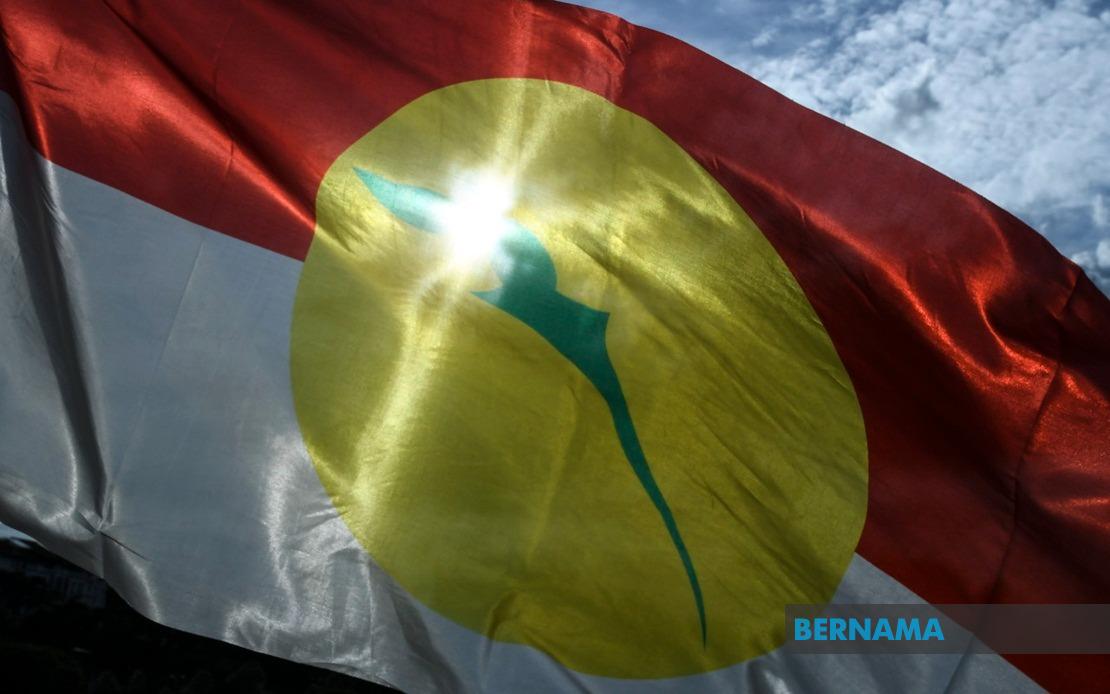
The Malaysian United Indigenous Party (UMNO) is attempting to heal internal divisions following its candidate nomination process for the Johor state election by appealing to members to demonstrate maturity and discipline. Datuk Seri Azalina Othman Said, the party's information chief, issued a statement on June 25 emphasising that while rank-and-file grievances are natural, party members must ultimately accept central decisions and present a united front to voters.
Azalina's appeal arrives at a sensitive moment for UMNO in Johor, as the nomination process has triggered visible discontent within the coalition's dominant faction. The party's insistence on collective discipline reflects broader anxieties about factional fragmentation during a critical electoral campaign. With the Election Commission scheduling nominations for June 27 and polling day for July 11, the party faces less than three weeks to consolidate support and project confidence.
The timing of the leadership's messaging suggests concern over the party's ability to manage what Azalina herself acknowledged as inevitable friction. She framed internal disagreement as acceptable up to a certain point, distinguishing between the healthy airing of concerns and the destructive rejection of final decisions. This carefully calibrated language attempts to validate members' emotions while reasserting the authority of the decision-making hierarchy, a delicate balance that signals underlying tension.
Azalina's characterisation of UMNO's institutional strength—noting that the party possesses abundant leadership talent at grassroots, mid-tier, and emerging levels—served a dual purpose. The statement reassured disappointed members that losing a single nomination does not represent career termination within the organisation, while simultaneously implying that ambitious individuals who cannot accept party discipline risk marginalisation. This implicit warning carried particular weight given UMNO's history of internal conflict.
The resignation of UMNO Supreme Council member Datuk Dr Mohd Puad Zarkashi on the heels of the candidate announcement underscored the gravity of the dissatisfaction. Mohd Puad's decision to leave the party entirely rather than simply abstain from campaigning indicated that the disappointment extended beyond tactical disagreement. According to UMNO Secretary-General Datuk Dr Asyraf Wajdi Dusuki, Mohd Puad's departure followed the non-selection of his son as a candidate for the Rengit state seat, illustrating how dynastic expectations intersect with party politics in Malaysian electoral contexts.
The specific mention of Rengit signals potential complications for UMNO's campaign strategy in that district, where local networks and family influence traditionally carry considerable weight. A perceived slight to a prominent political family risks alienating sympathetic networks of supporters, particularly in rural constituencies where personal relationships shape voting behaviour. Mohd Puad's immediate resignation rather than a gradual withdrawal suggests that the family saw the decision as unjust rather than as merely unlucky.
Azalina's praise for Johor UMNO Liaison Committee chairman Datuk Onn Hafiz Ghazi and his selection team portrayed the nomination process as conducted with both firmness and fairness. This defensive framing indicates that party leadership anticipated or encountered criticism that the process lacked transparency or impartiality. By emphasising the "calm, discipline, and political courage" of Onn Hafiz's committee, Azalina attempted to preclude further challenges to the legitimacy of the announced candidates and forestall additional resignations.
For Malaysian political observers and voters, the internal strains visible in UMNO's Johor campaign carry implications beyond state-level electoral competition. UMNO remains the dominant partner in Malaysia's ruling coalition, and any significant erosion of internal cohesion affects the stability of the national government. The party's capacity to manage internal disagreement without haemorrhaging prominent members demonstrates institutional resilience, while high-profile departures suggest underlying fractures that extend deeper than routine disappointment.
The contest between party unity and individual grievance also reflects evolving expectations among Malaysian political actors about internal democracy. Azalina's acknowledgment that "differences of opinion can be embraced" and "criticisms can be raised" represents a rhetorical evolution from earlier eras of stricter party discipline, yet her insistence that decisions made "through party channels" demand compliance maintains hierarchical authority. This tension between consultation and deference remains unresolved in Malaysian party politics.
The broader context of succession politics within UMNO colours the nomination battle in Johor. Competition for state-level candidacies serves as a proxy for influence within the national party structure, particularly as senior leaders position their favoured candidates for future advancement. Nominations rejected in Johor may reflect not local considerations but decisions made at federal level regarding factional balance within UMNO's national leadership, though such calculations remain opaque to external observers.
With nominations closing on June 27 and polling scheduled for July 11, UMNO faces the critical task of converting disappointed candidates into campaigners willing to work for nominated rivals. Azalina's statement represents an opening gambit in that conversion process, appealing to patriotism, party history, and institutional loyalty. Whether such appeals suffice to ensure full participation from aggrieved members will become apparent during the campaign itself, where voter perception of party enthusiasm directly influences electoral outcomes in competitive districts.
The Johor election thus becomes a test case for UMNO's management of internal pluralism in an era of tighter electoral competition. The party's capacity to absorb disappointment, retain member commitment, and project unified purpose will shape not only the state contest but perceptions of UMNO's stability heading into future national electoral cycles.

