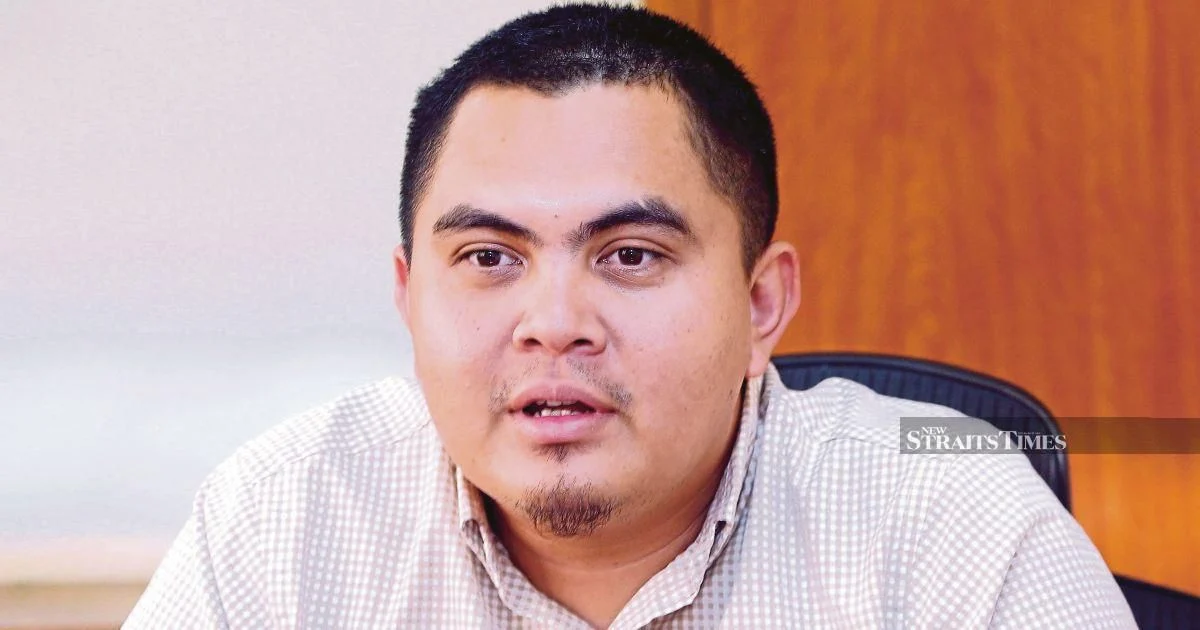
Umno Youth leader Datuk Dr Muhamad Akmal Saleh moved to address persistent criticism about candidate selection processes within the party, making clear in Johor Baru that familial connections do not determine who stands for electoral office. His intervention signals an attempt to counter growing perceptions that Malaysia's largest Malay-Muslim party operates on patronage networks tied to powerful families rather than demonstrated ability and party loyalty.
The comments appear directed at a recent statement by a senior party figure, suggesting internal tensions over how Umno identifies and vets candidates. Such disputes over candidacy mechanisms have become increasingly visible across Malaysia's political landscape, where questions about meritocracy versus dynastic advancement resonate with voters nationwide. The timing of Akmal's remarks underscores the party's awareness that allegations of nepotism could damage its electoral prospects, particularly among younger, reform-minded members seeking transparency.
Umno's approach to candidate selection carries significant implications for Malaysian politics more broadly. The party, which has governed peninsular Malaysia for much of the country's independence and continues to hold considerable parliamentary seats despite recent electoral setbacks, sets standards that other coalitions frequently mirror. When Umno faces scrutiny over nomination processes, it inevitably prompts scrutiny of how other major parties—whether within Barisan Nasional, Pakatan Harapan, or opposition blocs—determine their own slates.
The party's concerns about this perception appear well-founded. Across Southeast Asia, allegations of family politics have undermined public confidence in democratic institutions. Thailand's travails with palace-adjacent dynasties, Indonesia's struggles with political families, and the Philippines' longstanding issues with entrenched clans all demonstrate how perceived nepotism can weaken party legitimacy and voter engagement. Malaysia, while managing such dynamics better than several neighbours, faces similar pressures as its electorate increasingly demands accountability and fairness.
Akmal's assertion that Umno prioritises competence and merit over bloodlines reflects broader institutional pressures within the party. Umno's Supreme Council and various divisional structures have witnessed generational shifts, with younger cadres questioning traditional power arrangements. The Youth wing, which Akmal heads, has historically served as a platform for ambitious politicians seeking to distinguish themselves beyond inherited advantage. His intervention suggests the Youth leadership recognises that defending the party's credibility requires explicit disavowal of nepotistic practices.
The Malaysian political context makes this defence particularly important. The country's constitutional monarchy, complex ethnic composition, and need for Bumiputera protections create a distinct environment where party mechanisms serving Malay-Muslim interests must navigate between maintaining traditional support bases and demonstrating inclusive governance principles. Umno, as the dominant Malay party, faces constant evaluation on whether its practices reflect democratic principles or merely entrench elite privileges.
Historically, Umno has operated through networks of patronage tied to influential individuals, sometimes encompassing family members. While such systems characterise many political parties globally, Malaysian voters have grown less tolerant of practices perceived as transparent quid pro quo arrangements. The party's need to publicly distance itself from family politics indicates both acknowledgement of these concerns and recognition that candidate quality directly affects electoral performance. In recent elections, voters have decisively punished poor-quality representatives regardless of party affiliation.
The statement also reflects internal party dynamics. If Puad—presumably a senior Umno figure—recently suggested or implied that family connections influence candidacy, Akmal's response indicates a policy disagreement at leadership level. Such visible disagreements can undermine party cohesion, though they may also demonstrate that debates over meritocracy occur within structures rather than exclusively in public discourse. The challenge lies in ensuring that stated commitment to merit-based selection translates into actual candidate vetting procedures.
Implementing genuine meritocratic candidacy processes requires transparent criteria, objective assessment mechanisms, and mechanisms preventing powerful individuals from circumventing established procedures. Umno's historical culture of accommodation and consensus-building, while sometimes facilitating party unity, can obscure whether selection truly follows published guidelines or allows informal networks to prevail. Akmal's statement must eventually be evaluated against actual candidate announcements and the backgrounds of chosen representatives.
For Malaysian voters and opposition parties, Akmal's comments provide a benchmark against which to measure Umno's subsequent actions. Should candidates demonstrably unqualified for their positions receive nominations, or should family members of prominent figures consistently secure winnable seats, the party's credibility assertions will appear hollow. Conversely, if Umno demonstrates through transparent processes that selection genuinely reflects competence, the party can strengthen its position against accusations of dynastic politics.
The broader implications extend to Southeast Asia's democratic development. Major parties across the region that can credibly commit to meritocratic selection strengthen their systems' democratic credentials and potentially reduce cynicism that democracy merely serves entrenched elites. Umno's size and influence mean its practices influence expectations and benchmarks throughout Malaysia and among regional observers.
Akmal's emphasis on non-familial candidacy selection ultimately represents an investment in party modernisation and electoral viability. Whether through genuine institutional reform or strategic repositioning, Umno appears determined to counter the perception that family politics dominate its machinery. The coming election cycles will reveal whether this commitment translates beyond rhetoric into consistent practice.

