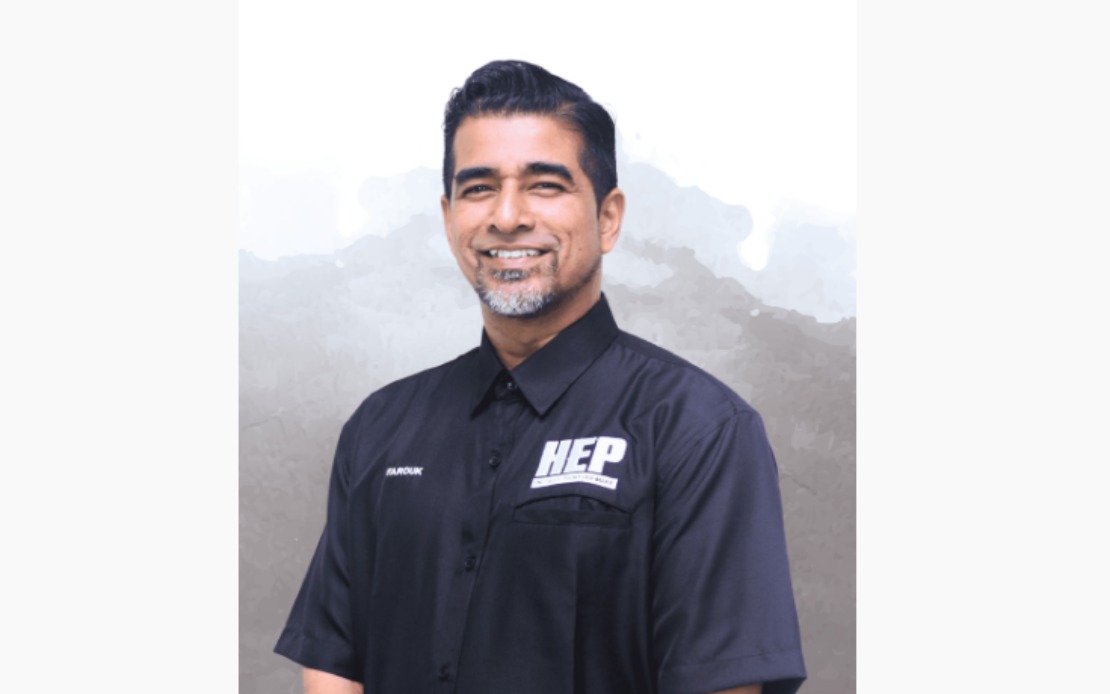
Officials at Universiti Teknologi MARA's Kelantan campus are making a concerted push to convince financially struggling students not to walk away from higher education opportunities, warning that declining university places due to monetary constraints represents an unnecessary sacrifice given the range of support available. Speaking during the UiTM Kelantan Branch Rector's Cakna Programme in early June, Meer Zhar Farouk Amir Razli, the Deputy Rector for Student Affairs, emphasised that prospective students from low-income families should explore all assistance options before making a final decision to reject their offers.
The financial landscape for Malaysian higher education has evolved significantly, with institutions like UiTM going beyond the traditional reliance on PTPTN loans that many students and families assume is their only pathway. Meer Zhar outlined a comprehensive ecosystem of aid that includes zakat-based assistance, university welfare funds, and accommodation-based support programmes specifically designed to address the daily living expenses that often deter disadvantaged students from enrolling. This multi-layered approach recognises that tuition fees represent only one component of the financial burden; many struggling families are deterred by accommodation, meals, transportation, and materials costs that accumulate throughout a student's academic journey.
Among the institution's initiatives is the "Dapur MADANI" programme operating within residential colleges, which directly targets living cost management for students throughout their studies. The initiative's naming reflects the government's broader MADANI framework emphasising social cohesion and equitable development. By embedding financial support within the residential college system, the university creates a more integrated approach to student welfare rather than treating financial assistance as a peripheral concern. This structure allows peer support and community-building alongside material aid, addressing both the practical and psychological dimensions of studying while financially constrained.
Meer Zhar's comments arrive at a moment of intensifying competition for university places in Malaysia's public higher education sector. As demographic pressures and increased application numbers create a more selective admissions landscape, each genuine opportunity carries heightened value. Students who prematurely decline offers due to insufficient financial information may inadvertently foreclose pathways that could have been feasible with proper planning and institutional support. The Deputy Rector's message implicitly critiques a gap in information dissemination, suggesting that many potential students and families remain unaware of support mechanisms that could transform their circumstances.
The Rector's Cakna Programme itself demonstrates institutional commitment to bridging this awareness gap. Conducted in partnership with local non-governmental organisations, the initiative targets newly enrolled students requiring assistance, taking a proactive approach rather than waiting for students to identify themselves. This collaborative model leverages NGO networks to reach vulnerable populations who might otherwise navigate bureaucratic university systems with difficulty. The programme's structure reflects an understanding that financial support must be accompanied by genuine outreach and case management, particularly for first-generation university students from disadvantaged backgrounds unfamiliar with institutional resources.
A concrete example of this support materialised when Meer Zhar presented a laptop to Norzarra Dhania Amir Abdullah, a 19-year-old from a low-income household, at her residence in Jalan Kebun Sultan. The provision of computing equipment addresses a specific barrier that disproportionately affects disadvantaged students—technology access has become essential for contemporary university participation, yet remains beyond many families' reach. Such targeted interventions demonstrate that institutional support extends beyond financial transfers to include equipment and resources necessary for academic competitiveness.
Norzarra Dhania's personal trajectory illuminates both the obstacles disadvantaged students face and the potential for institutional intervention to alter outcomes. The eldest of seven siblings, she had previously received a UiTM Sarawak admission offer but was compelled to decline it due to her family's precarious financial situation. Her father's diabetes diagnosis four years prior had rendered him unable to work, leaving the household dependent entirely on her mother's modest income from restaurant assistance work. The combination of large family size, single-income dependency, and medical challenges created circumstances where even a tuition-free university place felt unaffordable when relocation and associated expenses were factored in.
When Norzarra Dhania received her second offer—this time from UiTM Kelantan—the geographical proximity to her family home fundamentally altered the calculation. By studying near rather than hundreds of kilometres away, she could potentially maintain family connections while reducing accommodation costs. Her enrolment in the Diploma in Management programme represents both personal aspiration and practical pragmatism; the two-year diploma pathway offers a faster route to employment and income than a four-year degree, potentially enabling earlier financial contribution to her household. Her determination to pursue higher education despite substantial adversity, and her ultimate acceptance of the local campus offer, validates Meer Zhar's core argument: with proper support structures in place, genuinely motivated students can overcome financial obstacles.
The availability of zakat-based assistance holds particular significance within Malaysia's Muslim-majority context, as it operates through religiously grounded charitable mechanisms that carry cultural legitimacy and community integration. Zakat funding for education aligns with Islamic principles of poverty alleviation and social responsibility, creating channels that some disadvantaged families may find more culturally comfortable than secular welfare applications. This diversity of funding sources acknowledges Malaysia's plural society and recognises that effective support systems must accommodate different communities' values and trust frameworks.
From a broader Southeast Asian perspective, the challenges facing Malaysian students like Norzarra Dhania reflect regional patterns of educational inequality. Countries throughout Southeast Asia grapple with ensuring that economic circumstances do not prevent talented individuals from accessing tertiary education. Malaysia's relatively mature higher education system and established institutions like UiTM demonstrate how public universities can actively combat educational stratification through deliberate support infrastructure. However, the need for officials to conduct outreach programmes and personally present equipment suggests gaps remain between available support and student awareness—a common problem across the region where information asymmetries disproportionately harm disadvantaged populations.
The emphasis on not rejecting offers carries implicit urgency regarding Malaysia's competitive higher education environment. As university places become more scarcer relative to demand, students who decline offers may face reduced chances in subsequent application cycles. This dynamic creates particular pressure on economically disadvantaged students, who cannot afford the luxury of turning down opportunities pending improved financial circumstances. By assuring students that support mechanisms exist, institutional leaders aim to reframe the decision-making calculus, moving students away from a presumption of unaffordability toward exploration of available assistance.
Looking forward, the success of programmes like the Rector's Cakna initiative and consistent availability of multi-source funding may gradually shift perceptions about higher education accessibility for low-income Malaysians. If well-publicised and efficiently administered, these systems can reduce the number of talented students prematurely eliminating themselves from educational pathways. The combination of zakat assistance, welfare funds, laptop provision, and accommodation support represents a genuinely integrated approach to removing barriers. Yet sustained success requires not merely maintaining these programmes but continuously enhancing their reach and effectiveness, ensuring that information penetrates to the most isolated and vulnerable student populations before they make irreversible decisions about their educational futures.