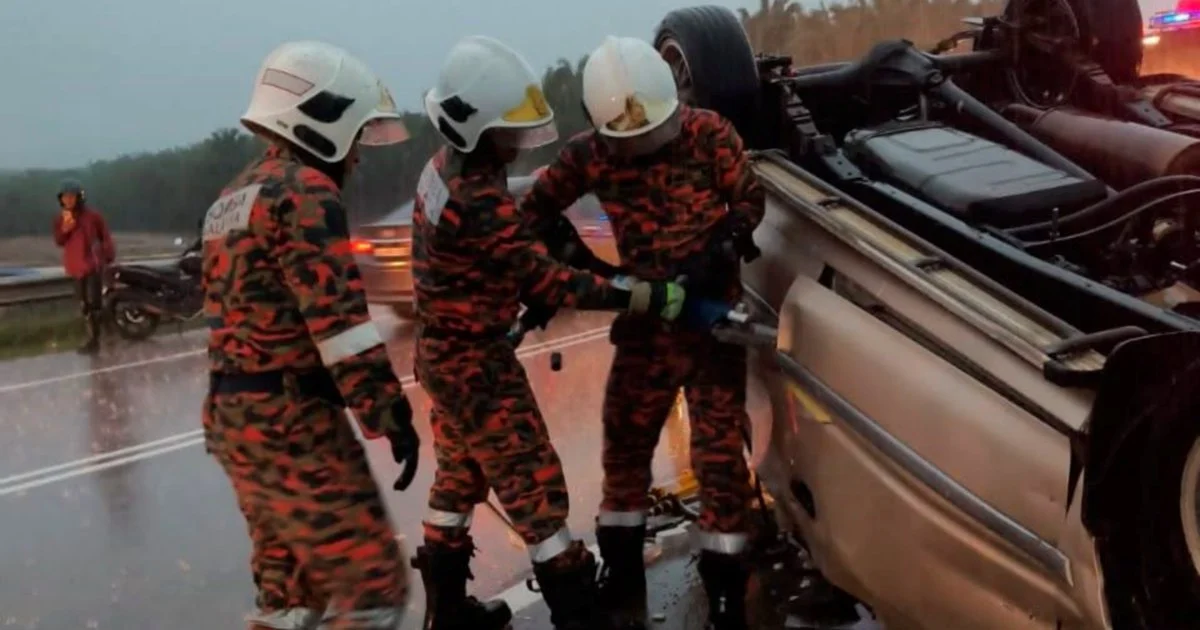
A tragic sequence of events unfolded across Pahang today, claiming the lives of four people in two separate traffic collisions. The crashes, which struck the Maran and Pekan districts within the span of less than an hour, underscore the persistent dangers facing motorists on Malaysian roads. Among the victims were two sisters, whose deaths in the coordinated tragedy have deeply affected their family and the surrounding communities.
The proximity of these two incidents—both in timing and geography—highlights a sobering pattern that traffic safety authorities frequently grapple with during peak travel periods. Such clustering of fatal accidents often mirrors patterns observed during holiday seasons or weekends when road usage intensifies. Pahang, which encompasses significant stretches of East Coast highways connecting major population centres, remains a critical corridor for regional commerce and leisure traffic.
Road fatalities in Malaysia continue to represent a significant public health crisis, with annual casualty figures often exceeding those recorded in many neighbouring nations. The circumstances surrounding multiple fatalities within compressed timeframes frequently prompt transport and police officials to review accident hotspots and implement targeted enforcement measures. Each incident provides crucial data that can inform adjustments to traffic management strategies and safety protocols across the state.
The identification of two sisters among the victims adds a dimension of human tragedy beyond mere statistics. Families affected by such sudden, violent losses face overwhelming grief and practical complications that extend far beyond the immediate moment of impact. The emotional ripple effects typically touch not only surviving relatives but also workplace colleagues, social networks, and community structures that had previously encompassed the deceased.
Pahang's road network, while essential for economic activity and inter-state connectivity, has presented ongoing challenges for traffic management authorities. The state encompasses diverse terrain and varying road conditions, from urban streets through town centres to rural highways that traverse less densely populated areas. Weather conditions, particularly during monsoon seasons, can further compromise visibility and road grip, creating additional hazards that compound the baseline risks inherent in motor vehicle travel.
Investigations into these fatal collisions typically require comprehensive examination of multiple variables including vehicle mechanical condition, driver behaviour and fatigue levels, weather and visibility conditions, road surface conditions, and traffic volumes at the time of impact. The proximity of these two incidents suggests that the causative factors may differ substantially, or alternatively, might reflect common conditions affecting driver performance across the region during the relevant timeframe. Initial scene assessments by traffic investigators will establish baseline facts before deeper analytical work commences.
The occurrence of multiple fatalities within short intervals sometimes triggers temporary increases in police presence on affected routes as authorities respond to heightened public concern and seek to identify any emerging safety patterns. Such reactive measures, while necessary, underscore the importance of sustained, evidence-based interventions that address root causes rather than addressing consequences alone. Education campaigns emphasising fatigue awareness, speed discipline, and vehicle maintenance reliability constitute essential complements to enforcement operations.
For Malaysian road users, these incidents reinforce uncomfortable realities about the consequences of lapses in attention, inadequate spacing between vehicles, or failure to adjust driving behaviour to prevailing conditions. The relatively compressed timeline between these two accidents may also prompt reflection about whether concentrations of fatal incidents occur randomly or reflect predictable patterns tied to specific times, routes, or conditions. Understanding such patterns enables policymakers and traffic specialists to allocate preventive resources more effectively.
The broader context of road safety in Malaysia remains a matter of significant concern for public health authorities, economists assessing productivity losses, and families directly impacted by traffic violence. Regions like Pahang, which experience both substantial through-traffic and local commuter activity, face particular challenges in managing competing demands for speed, safety, and traffic flow efficiency. Balancing these imperatives requires sophisticated traffic engineering, consistent enforcement, reliable vehicle maintenance standards, and sustained public commitment to safe driving practices.
Autopsies and formal identification procedures will proceed as authorities work to provide grieving families with clarity and closure during an undoubtedly difficult period. The investigation phase will generate findings that may influence local road safety policies, enforcement priorities, or infrastructure modifications. Beyond the immediate investigative response, these tragedies typically prompt broader institutional reflection about whether existing safety frameworks remain adequate or whether system-level adjustments merit consideration.
For Malaysian motorists traversing Pahang's roads in the coming weeks, heightened police visibility will likely persist as a visible reminder of the consequences of impaired or inattentive driving. Whether through enforcement activities, community awareness initiatives, or longer-term policy interventions, the challenge facing authorities involves transforming sporadic tragedies into catalysts for sustainable safety improvements. Achieving this transition requires sustained commitment from multiple stakeholders—government agencies, vehicle manufacturers, driving schools, insurance providers, and ultimately individual road users themselves.

