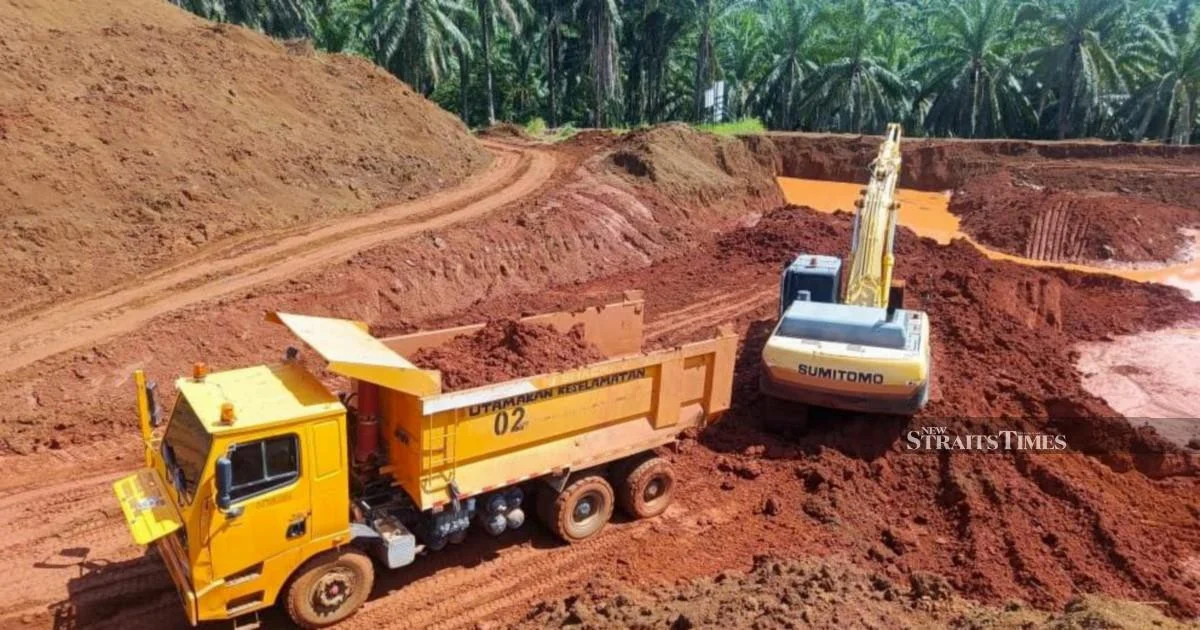
Authorities in Terengganu have moved decisively against an unlicensed sand extraction operation, apprehending two individuals suspected of masterminding the illegal transfer of silica sand from Marang. The enforcement action, carried out yesterday, resulted in the seizure of heavy machinery valued at RM1.8 million, marking a significant blow to what appears to be a well-established extraction and trading network operating outside regulatory oversight.
The arrests underscore ongoing tensions between informal mining operations and state efforts to regulate the extraction of mineral resources—a sector that generates substantial economic value across Malaysia but remains vulnerable to illicit exploitation. Silica sand, commonly used in industrial applications including glass manufacturing, foundry work, and construction materials, has become an increasingly lucrative commodity as Southeast Asian economies accelerate construction and manufacturing activities. The scale of equipment seized suggests the operation had graduated beyond small-scale activity into a more professionally organised venture.
The crackdown in Marang reflects heightened vigilance by enforcement agencies responding to what has become a pervasive challenge across multiple Malaysian states. Illegal sand extraction not only represents lost revenue for the government through unpaid licensing fees and royalties, but also creates environmental liabilities. Unregulated quarrying operations can destabilize riverbanks, contaminate water sources, and degrade land previously designated for agricultural use or ecological preservation. Terengganu, with its extensive coastal areas and river systems, has historically struggled to contain informal extraction activities that exploit geographic accessibility.
Beyond immediate environmental consequences, the underground sand trade fuels broader criminal networks. Proceeds from illegal extraction are often channelled into other illicit enterprises, while the operations themselves frequently operate with insufficient safety protocols, endangering workers who lack formal employment protections or accident insurance. The arrest of the two suspects represents an attempt to dismantle at least one such supply chain, though authorities acknowledge that supply chains for stolen natural resources tend to be highly distributed and resilient.
The RM1.8 million machinery inventory tells an important story about the scale of informal operations. Such substantial capital investment indicates either sophisticated financing arrangements among operators or proceeds from previous successful extraction ventures. The equipment likely includes excavators, conveyor systems, washing facilities, and transportation vehicles—the complete infrastructure required to process raw sand into commercial-grade material suitable for industrial buyers. The confiscation not only removes tools immediately available for continued illegal operations but also represents a direct financial loss that may discourage similar ventures by deterring would-be investors.
Terengganu's mineral extraction sector operates under significant regulatory scrutiny following previous scandals involving unauthorized quarrying. The state has implemented stricter licensing requirements and increased inspection frequencies, yet determined operators continue adapting methods to evade detection. Some relocate operations across state borders or develop mobile extraction facilities that can be rapidly dismantled and relocated. The Marang case demonstrates that despite enhanced enforcement, determined actors persist in viewing the profit margins from unregulated sand sales as justifying the risks of criminal prosecution.
Industry observers note that demand for silica sand in Southeast Asia will likely increase substantially over the next decade as infrastructure development accelerates across the region. Thailand, Vietnam, and Indonesia face similar challenges controlling illegal extraction, creating a competitive environment where unscrupulous operators can undercut legitimate producers by avoiding environmental compliance costs and licensing fees. This regional dynamic complicates enforcement efforts, as Malaysian illegal operators can easily export product across borders or source demand from neighbouring countries.
The investigation into the two arrested individuals will likely reveal supply chain details including customer relationships, financial networks, and equipment suppliers. Such intelligence proves valuable in identifying broader systemic vulnerabilities within mineral resource oversight. Authorities are particularly interested in determining whether the operation had connections to larger extraction syndicates or functioned independently, and how the extracted material was distributed into commercial supply chains without triggering detection mechanisms.
Moving forward, the case highlights the necessity for coordinated enforcement combining traditional policing with intelligence-sharing protocols across state boundaries. Environmental monitoring technologies, satellite imaging, and community reporting systems have proven effective in detecting new extraction sites before they become fully operational. The Marang seizure demonstrates that when enforcement resources are concentrated, significant recoveries remain possible. However, sustained impact requires maintaining momentum against a sector where economic incentives remain compelling for operators willing to accept criminal liability.

