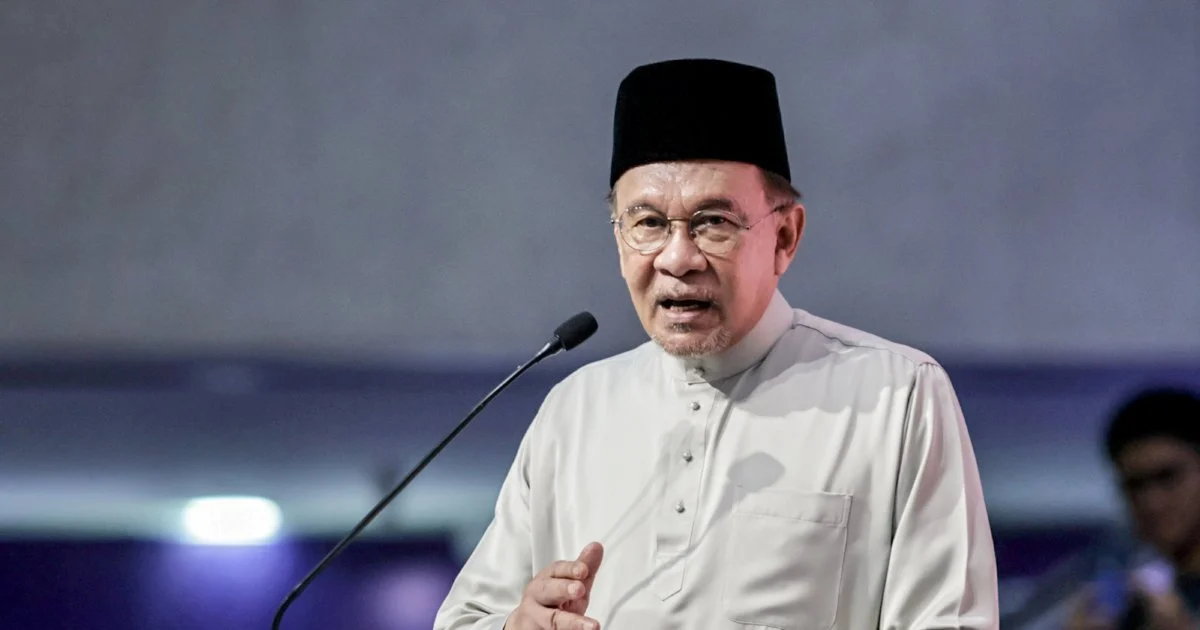
The Tunku Mahkota of Johor, Tunku Ismail Sultan Ibrahim, granted an audience to Prime Minister Datuk Seri Anwar Ibrahim today in Kuala Lumpur, marking a formal engagement between one of Malaysia's most prominent royal figures and the nation's chief executive. The encounter was characterised by all parties involved as warm and constructive, signalling continued institutional harmony at the highest levels of Malaysian governance.
Meetings between the Tunku Mahkota and the Prime Minister carry particular significance in Malaysia's constitutional framework. The Tunku Mahkota, as heir to the Johor throne, represents not only the interests of the state but also commands considerable influence within the broader Malaysian royal establishment. Such audiences typically address matters of national importance, state-federal relations, and the maintenance of institutional relationships that underpin Malaysia's unique system of constitutional monarchy paired with parliamentary democracy.
The description of the meeting as cordial reflects the importance of maintaining smooth working relationships across Malaysia's power structures. In a federation where states retain considerable autonomy and the monarchy holds constitutionally protected status, regular communication between senior royalty and the Prime Minister serves as a barometer of political stability. These interactions help ensure that the federal government and state rulers navigate potentially contentious issues through established channels of respect and protocol.
Tunku Ismail Sultan Ibrahim has in recent years emerged as an increasingly visible and vocal member of the royal family, engaging in public discourse on national issues and state development. His willingness to grant audience to the Prime Minister demonstrates receptiveness to dialogue on matters affecting Malaysia's governance and regional standing. Such engagement at the personal level between senior constitutional figures can facilitate cooperation on legislative matters, development initiatives, and the resolution of inter-governmental disputes.
For Prime Minister Anwar Ibrahim, securing formal audience with prominent royalty reinforces the legitimacy and broad-based support of his administration across Malaysia's institutions. The federal government's relationship with state rulers remains crucial for implementing nationwide policies, particularly in areas where states exercise jurisdiction such as land, Islamic affairs, and local development. A harmonious relationship with the Johor royal house, one of the historically significant and economically important states, carries particular weight in political calculations.
Johor's position as Malaysia's southernmost peninsula state and its geographic proximity to Singapore make it strategically important for federal foreign policy and regional economic integration. The state's economic contributions, major port facilities, and role in regional trade corridors mean that close coordination between Kuala Lumpur and Johor's leadership serves national interests. Regular engagement at this level helps align state and federal priorities on infrastructure development, industrial zones, and cross-border initiatives.
The meeting's harmonious nature suggests an absence of significant friction between the Tunku Mahkota and the current federal administration. Malaysia has experienced periods of tension between state governments and federal authorities in the past, sometimes involving royal intervention. The absence of such discord in this case indicates that key issues potentially dividing state and federal interests—whether involving resource allocation, jurisdictional boundaries, or policy implementation—are not currently causing strain.
Within Malaysia's political ecosystem, such formal engagements also carry symbolic weight for civil-military-royal relations. The tripartite institutional arrangement involving the monarchy, civil service, and elected government represents a distinctive feature of Malaysian governance. Regular interaction between the Prime Minister and senior royalty reinforces the notion that Malaysia's constitutional arrangements remain functional and respected across institutional lines.
The timing and context of such audiences can reflect broader political dynamics. In Malaysia's current environment, where the Prime Minister's coalition government navigates complex parliamentary mathematics and regional economic pressures, maintaining institutional goodwill with powerful state rulers provides both practical support for governance and psychological reassurance of institutional continuity. The Tunku Mahkota's receptiveness to such meetings demonstrates that despite Malaysia's often fractious party politics, the deeper constitutional structures retain respect across competing power centres.
Looking forward, the cordial nature of this meeting suggests that collaborative frameworks between the federal government and Johor's leadership are likely to continue. This has implications for several national priorities including economic diversification initiatives, infrastructure development in southern Malaysia, and regional cooperation frameworks. When state and federal leadership maintain positive working relationships, the practical implementation of policies benefits from reduced friction and increased coordinated effort.
For Malaysian observers and international stakeholders watching Malaysia's political stability, such meetings between senior national figures and prominent royalty offer reassuring signals of institutional functionality. While Malaysia's party politics remain competitive and sometimes contentious, the continued observance of constitutional protocols and the maintenance of respectful engagement across institutional boundaries suggest underlying stability in the frameworks governing the nation. These formal interactions, though often brief and ceremonial in public presentation, represent the crucial behind-the-scenes consensus-building that allows Malaysia's complex governmental system to function effectively across different levels and branches of authority.

