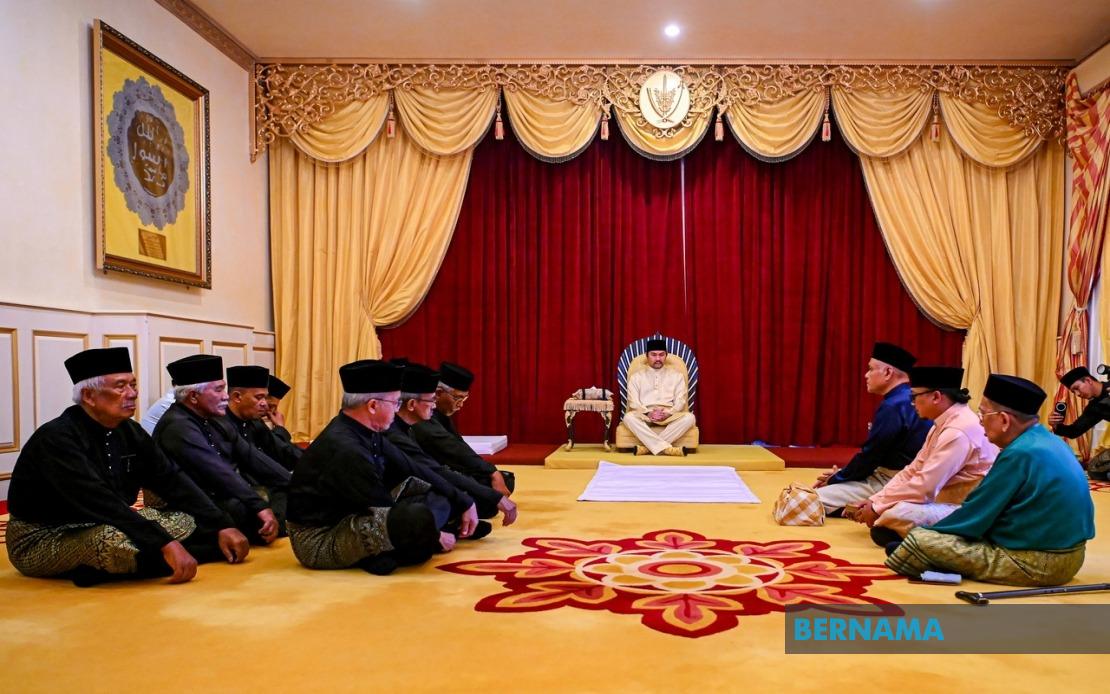
The Yang Dipertuan Besar of Negeri Sembilan, Tuanku Muhriz Tuanku Munawir, has given his blessing for a formal royal audience to be held at Istana Besar Seri Menanti in Kuala Pilah on Saturday morning, marking the official installation of the newly selected Undang of Luak Sungei Ujong. The ceremonial occasion represents a significant moment in the constitutional and customary traditions that govern Negeri Sembilan's nine administrative divisions, or luaks, each with its own hereditary leadership structure rooted in centuries-old Minangkabau governance practices.
Tunku Besar Seri Menanti Tunku Ali Redhauddin Tuanku Muhriz conveyed the royal approval during an audience with the Datuk-Datuk Adat of Luak Sungei Ujong and representatives of the luak at the state palace. The prince confirmed that the customary selection process had been conducted according to established adat, the traditional laws and practices that remain foundational to Negeri Sembilan's unique constitutional framework, which diverges notably from other Malaysian states in its emphasis on customary governance structures.
Muhammad Faris Johari, aged 29, has been selected as the 11th Undang of Luak Sungei Ujong by the Buapak customary council assembly, the traditional body responsible for such appointments. The selection follows established protocols within the luak and represents the continuation of a hereditary leadership system that has functioned for generations. The Waris Negeri Sungei Ujong, Datuk Sinda Maharaja Razlan Hamid, confirmed that the choice had been made in strict adherence to adat traditions unique to Luak Sungei Ujong.
This installation comes following the earlier dismissal of the previous office holder, Datuk Klana Petra Datuk Mubarak Dohak, who served as the 10th Undang of Luak Sungei Ujong. The Dewan Keadilan dan Undang, the judicial council overseeing customary and adat matters, formally accepted his removal at a special sitting presided over by Tuanku Muhriz at Istana Besar Seri Menanti. Menteri Besar Datuk Seri Aminuddin Harun has acknowledged that the decision was reached through proper constitutional procedures, underscoring the state's commitment to maintaining the integrity of its unique governance system.
The Saturday ceremony will employ the formal title Istiadat Menghadap Menjunjung Duli Bagi Menyempurnakan Kejadian Undang Luak Sungei Ujong, a traditional protocol specifically designed for the installation of an Undang. Such ceremonial formality reflects the symbolic importance placed on the luak leadership positions within Negeri Sembilan's constitutional order. The Orang Empat Istana, the state palace officials responsible for coordinating ceremonial matters, will work with adat leaders to finalise the practical arrangements for the occasion.
Negeri Sembilan's governance structure remains distinctive within Malaysia due to its maintenance of the luak system and the constitutional prominence afforded to customary law and practice. Unlike states that have progressively centralised administrative authority, Negeri Sembilan continues to vest significant authority and ceremonial importance in the hereditary leaders of each luak, who serve as custodians of adat and intermediaries between the state's traditional institutions and modern administration. The installation of a new Undang therefore carries implications that extend beyond the individual appointment, touching upon the state's broader commitment to preserving these historical governance arrangements.
The same Saturday will also witness another significant formal ceremony, as Tuanku Muhriz has similarly approved a royal audience for the installation of the 22nd Undang of Luak Rembau. The scheduling of both ceremonies on the same day reflects the careful coordination required to maintain these constitutional traditions whilst managing the practical demands of state governance. Both appointments demonstrate the ongoing relevance and application of these customary selection processes, which continue to function as active components of Negeri Sembilan's constitutional framework rather than merely ceremonial remnants.
The maintenance of these traditions holds particular significance for Negeri Sembilan as Malaysia evolves and faces pressures toward administrative standardisation across states. The state's commitment to honouring adat and customary governance structures represents a conscious choice to preserve historical and cultural practices that might otherwise be eroded by modernisation. For Malaysian readers following constitutional developments, these appointments illustrate how selected states continue to balance modern governance requirements with respect for traditional institutions and practices.
Tunku Ali Redhauddin's personal communication of the royal approval underscores the continued active engagement of Negeri Sembilan's ruling family in overseeing adherence to customary procedures. The statement emphasising that arrangements proceed smoothly indicates the state's determination to conduct the ceremonies with the dignity and precision expected of formal constitutional occasions. As regional interest in the preservation of traditional governance systems has grown, particularly among scholars studying Southeast Asian constitutional practices, these appointments in Negeri Sembilan continue to attract attention as examples of how customary law remains integrated into modern state structures.
The installation of both Undangs represents the culmination of deliberate processes involving multiple institutional layers—the customary councils that select candidates, the judicial bodies that review dismissals and appointments, and the Yang Dipertuan Besar who grants final approval through formal ceremony. This multi-layered approach reflects a sophisticated understanding of governance that respects both the authority of customary bodies and the constitutional supremacy of the ruler. For observers of Malaysian constitutional practice, these ceremonies demonstrate how historical institutions continue to exercise real authority within defined parameters.
Looking forward, the successful completion of these installation ceremonies will reaffirm Negeri Sembilan's distinctive constitutional position within the Malaysian federation. The state's capacity to conduct these traditional processes alongside modern administrative governance serves as a reminder that Malaysia encompasses diverse approaches to statecraft and sovereignty. These appointments will establish Johari's formal authority over Luak Sungei Ujong and will require him to engage with both customary responsibilities and contemporary administrative challenges facing the division under his oversight.

