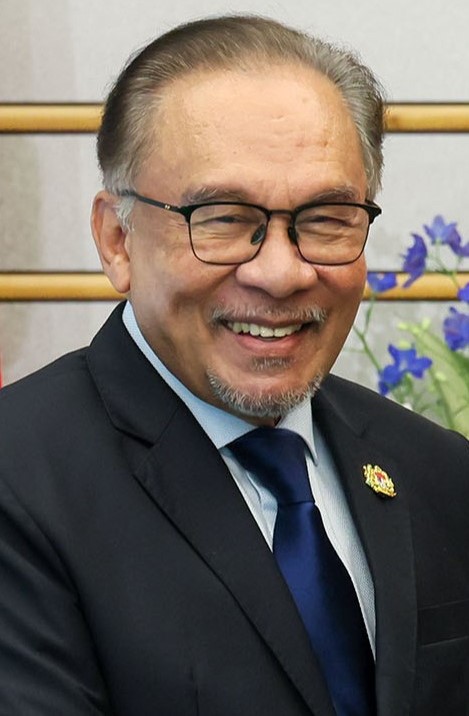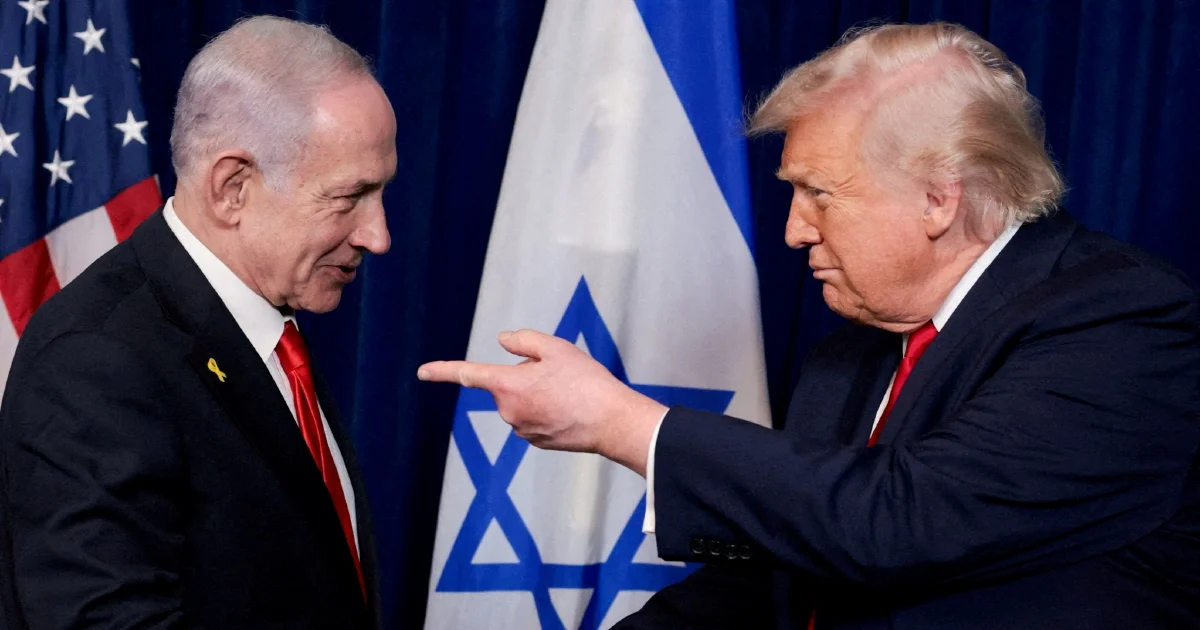
In a notable departure from his administration's typical support for Israeli military actions, US President Donald Trump voiced public disapproval of Israel's operational methods in Lebanon this week. His criticism centred on the disproportionate collateral damage inflicted during strikes aimed at Hizbollah combatants, particularly questioning the necessity of destroying entire residential complexes to eliminate fighters. The statement marks an uncommon moment of daylight between Washington and Tel Aviv on matters of military conduct in the Middle East.
Trump's remarks highlight a growing tension within the broader US-Israel relationship regarding how military campaigns should be conducted in densely populated civilian areas. The bombing of multi-story apartment buildings, he suggested, represents an approach that fails to distinguish between legitimate military targets and civilian infrastructure housing families and non-combatants. This intervention into tactical military matters, typically the domain of field commanders and defence ministries, signals heightened concern in Washington about the humanitarian dimension of Israel's Lebanon operations.
The context for Trump's intervention reflects the escalating military campaign Israel has waged against Hizbollah in Lebanese territory over recent months. These operations have intensified dramatically, with air strikes extending deeper into populated urban centres and villages. The scale and intensity of the bombing campaign have drawn international scrutiny, particularly regarding adherence to international humanitarian law and the principle of proportionality in military operations. Malaysia, as part of the broader international community, has consistently advocated for civilian protection in armed conflicts.
Israel has justified its military actions in Lebanon as necessary responses to cross-border attacks by Hizbollah and threats to Israeli communities in the north. The organisation, designated as a terrorist entity by several Western nations including the United States, has indeed conducted significant military operations targeting Israeli positions. However, the escalation has resulted in substantial displacement of Lebanese civilians and significant loss of life among non-combatants, raising questions about whether the military response aligns with international norms governing the conduct of warfare.
Trump's criticism is particularly noteworthy given his historically strong backing of Israeli security operations. His administration previously relocated the US Embassy to Jerusalem and recognised Israel's sovereignty over the Golan Heights, policies strongly favouring the Israeli government. That he would now publicly question Israeli military tactics suggests either a recalibration of priorities or recognition that continued international silence on civilian casualties could complicate American diplomatic objectives in the region.
The remarks also carry implications for Southeast Asian countries including Malaysia, which maintain careful diplomatic balancing acts between Western allies and Arab nations. Malaysia has consistently positioned itself as an advocate for Palestinian rights and accountability for civilian harm in Middle Eastern conflicts. Trump's statement, while limited in scope, provides rhetorical space for other nations to raise similar concerns without appearing to isolate Israel entirely.
Military analysts note that the destruction of entire buildings to target embedded combatants reflects operational challenges in urban warfare where militant organisations deliberately position themselves among civilian populations. However, alternative tactics exist, including more precise targeting, evacuation warnings, and limited-scope strikes designed to minimise structural damage. Trump's intervention suggests that such alternatives deserve greater consideration, even if implementation proves more complicated and time-consuming for military planners.
The diplomatic significance of Trump's public statement cannot be overstated. Unlike confidential communications between allied governments, public criticism signals dissatisfaction that may influence Israeli decision-making calculus. Israeli military and political leaders must now consider how operations will be perceived in Washington, even as they argue that their conduct remains proportional and justified. This dynamic introduces a constraint that may ultimately affect tactical planning.
International humanitarian organisations have documented extensive civilian casualties and destruction across Lebanese communities affected by the bombing campaign. Hospitals, schools, and residential areas have sustained damage, with thousands of civilians killed and hundreds of thousands displaced. These organizations have called for investigations into potential violations of international humanitarian law, including the principle that military operations must distinguish between combatants and civilians and must not employ indiscriminate weapons.
Regional dynamics further complicate the situation. Lebanon's fragile political system and economic crisis mean that the country has limited capacity to manage mass displacement or rebuild destroyed infrastructure. The humanitarian burden falls on neighbouring countries and international organisations, while political instability risks creating conditions that extremist groups could exploit. Trump's criticism, if followed by substantive pressure on Israel regarding operational methods, might contribute to limiting further escalation.
Moving forward, Trump's statement may signal to the Israeli government that unconditional American support for military operations has boundaries, particularly concerning civilian harm. Whether this translates into diplomatic pressure to modify tactics or merely represents a rhetorical correction remains unclear. For Malaysia and other nations seeking to address the civilian dimensions of the Middle Eastern conflict, the statement provides an opening to advocate for greater restraint and adherence to international humanitarian principles without appearing to challenge American interests directly.
The broader question extends beyond Lebanon itself. As Middle Eastern conflicts persist and militant organisations increasingly embed themselves in civilian areas, the military methods employed and their humanitarian consequences will remain central to international debates about legitimate warfare. Trump's intervention suggests that even historically stalwart Israeli allies may increasingly demand greater attention to civilian protection, a principle fundamental to international humanitarian law that transcends geopolitical alignments.