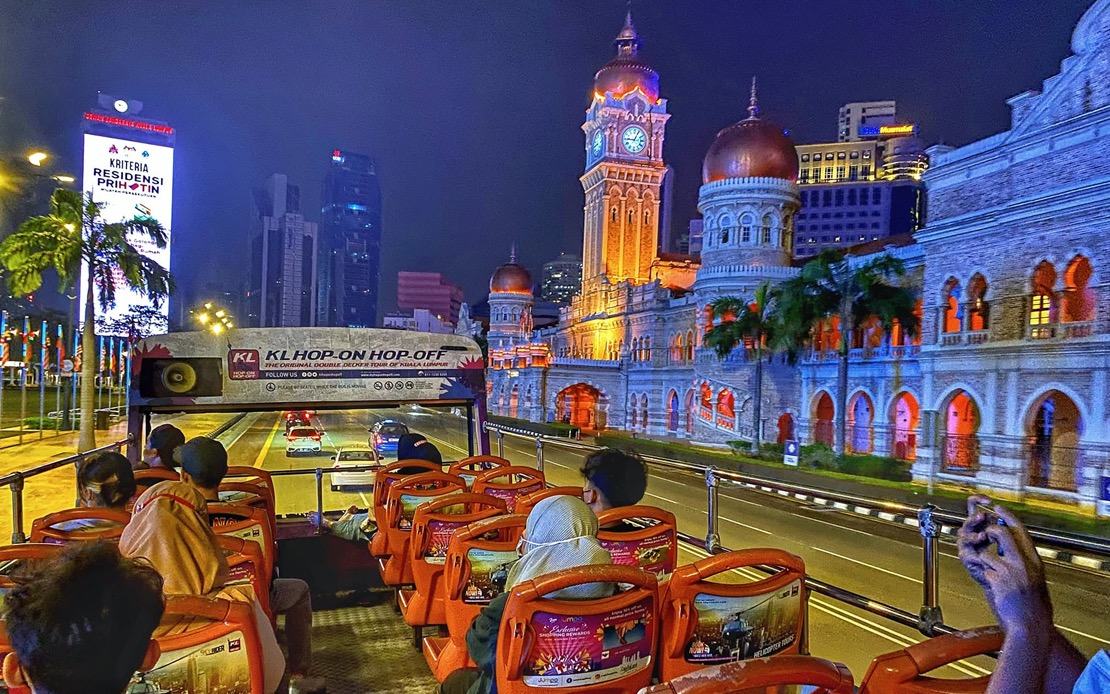
Tourism Malaysia has joined forces with KL Hop-On Hop-Off operator Elang Wah Sdn Bhd to kick-start an ambitious campaign aimed at revitalizing domestic travel demand ahead of the Visit Malaysia 2026 initiative. The partnership harnesses the visibility and reach of the iconic open-top sightseeing buses that traverse Kuala Lumpur's tourist corridors, transforming them into mobile billboards that celebrate Malaysia's diverse regional attractions and cultural offerings.
Minister of Tourism, Arts and Culture Datuk Seri Tiong King Sing underscored the strategic importance of cultivating domestic tourism momentum during the economic cycle leading up to VM2026. He emphasized that encouraging Malaysians to explore their own country strengthens the broader tourism ecosystem by generating sustained demand for accommodation, hospitality, and local services. This domestic foundation, he argued, creates a stable economic foundation upon which international tourism growth can build, yielding multiplier effects across employment, regional development, and community prosperity.
The campaign mechanics involve wrapping six KL Hop-On Hop-Off buses with eye-catching designs that spotlight major tourism destinations across all 15 Malaysian states and federal territories. The selection spans diverse attractions: from the spiritually significant Sri Sendayan Mosque in Negeri Sembilan to the geological wonders of the Pinnacles of Mulu in Sarawak. This geographic breadth serves a dual purpose—it exposes Kuala Lumpur residents and visitors to the nation's regional diversity while signaling to state tourism boards that their destinations will receive national platform visibility during the VM2026 promotional cycle.
What distinguishes this campaign from traditional tourism advertising is the integration of interactive technology into the bus wraps themselves. Embedded QR codes allow curious passengers and pedestrians to access curated content linking directly to VM2026 travel packages, the official Calendar of Events database, and state-specific tourism promotion websites. This approach bridges the gap between outdoor advertising's broad reach and digital marketing's measurability, enabling Tourism Malaysia to track engagement patterns and refine promotional messaging based on real-time user interaction data.
The timing of the campaign announcement arrives amid encouraging momentum in Malaysia's domestic tourism sector. The sector demonstrated robust performance throughout 2025, recording a year-on-year visitor increase of 21.3 percent. The absolute figures reveal the scale: domestic tourism attracted 290.1 million visitors in 2025, compared with 260.1 million during the preceding year. This growth trajectory suggests that Malaysian travelers increasingly prioritize domestic experiences, whether driven by economic considerations, convenience, or growing curiosity about regional destinations.
Equally significant are the spending patterns accompanying this visitor surge. Total domestic tourism expenditure climbed 13.3 percent to reach RM121.0 billion in 2025, up from RM106.7 billion in 2024. This growth rate outpaces visitor number increases, indicating that individual travelers are spending more per trip—a phenomenon potentially reflecting longer stays, upgraded accommodation choices, and higher spending on dining and attractions. For the hospitality and F&B sectors reliant on tourism revenue, this qualitative shift matters substantially.
For Malaysian readers and regional observers, the strategic messaging embedded in this campaign warrants closer examination. By positioning domestic tourism as a deliberate policy pillar rather than merely a secondary market, Tourism Malaysia signals confidence in the spending power and travel appetite of its own citizens. This contrasts with earlier eras when international visitor targets dominated strategic planning. The pivot reflects demographic realities: Malaysia's expanding middle class possesses disposable income, mobility, and leisure time to support sustained domestic travel demand.
The VM2026 initiative itself represents Malaysia's most ambitious tourism promotion cycle in recent memory. Using domestic tourism campaigns as a foundational building block acknowledges that attracting international visitors depends partly on having a thriving, well-developed tourism infrastructure and reputation for quality experiences. Malaysians who take KL Hop-On Hop-Off bus tours become informal ambassadors when they subsequently travel or interact internationally, carrying authentic, firsthand impressions of the country's attractions back to family and professional networks abroad.
For state and regional tourism authorities, the campaign offers tangible promotional equity. Smaller states and less-visited regions benefit from exposure on buses traversing Kuala Lumpur's high-traffic tourist zones, areas where international visitors congregate. A foreign tourist riding a bus wrapped with imagery of Sarawak's Pinnacles or Negeri Sembilan's religious heritage may develop sufficiently piqued interest to extend their Malaysia trip beyond the capital region, dispersing tourism revenue and employment benefits geographically.
The QR code integration also positions this campaign within broader digitalization trends reshaping tourism marketing globally. Rather than static billboards, the bus wraps function as gateways to curated information ecosystems. A traveler scanning a code gains immediate access to accommodation options, itinerary suggestions, and special offers tied to specific regions, collapsing the decision-making timeline from weeks of research to immediate action. Tourism operators in participating states can expect measurable booking upticks correlated to the campaign's geographic focus.
Looking forward, the success metrics for this initiative extend beyond visitor counts. Tourism Malaysia and Elang Wah will likely monitor QR code scan rates, which regional destinations generate the highest engagement, and conversion metrics—whether QR code interactions translate into actual bookings and travel. These data points inform not only the effectiveness of the current campaign but also the design of subsequent promotional efforts under the VM2026 umbrella.
For Malaysian businesses in tourism-adjacent sectors—transportation, hospitality, F&B, retail, and entertainment—the campaign signals that sustained investment in domestic travel infrastructure remains justified. The 21.3 percent growth rate achieved in 2025 appears robust enough to support continued expansion in service capacity and quality. Regional economies dependent on tourism receipts can plan expansion investments with reasonable confidence in demand fundamentals.
Ultimately, the partnership between Tourism Malaysia and KL Hop-On Hop-Off exemplifies how public and private sector collaboration can amplify promotional reach and effectiveness. By leveraging existing tourist transport infrastructure for marketing purposes, the campaign achieves economies of scale while ensuring that promotional messaging reaches concentrations of travelers and tourists. As Visit Malaysia 2026 approaches, similar partnership models across accommodation, dining, and retail sectors will likely emerge, each contributing cumulative weight to the national tourism promotion agenda.

