%22%2F%3E%3C%2Fpattern%3E%3C%2Fdefs%3E%3Crect%20width%3D%22100%25%22%20height%3D%22100%25%22%20fill%3D%22url(%23ph1lshvg)%22%2F%3E%3Crect%20width%3D%22100%25%22%20height%3D%22100%25%22%20fill%3D%22url(%23ph1lshvp)%22%2F%3E%3Ctext%20x%3D%2250%25%22%20y%3D%2250%25%22%20text-anchor%3D%22middle%22%20dominant-baseline%3D%22central%22%20fill%3D%22rgba(255%2C255%2C255%2C0.95)%22%20font-family%3D%22Georgia%2C%20'Times%20New%20Roman'%2C%20serif%22%20font-weight%3D%22700%22%20font-size%3D%22136%22%20letter-spacing%3D%22-0.02em%22%3ETimor-Les%E2%80%A6%3C%2Ftext%3E%3C%2Fsvg%3E)
Timor-Leste's President Jose Ramos-Horta wrapped up a five-day special visit to Malaysia on Monday, departing early morning aboard a Batik Air flight from Kuala Lumpur International Airport. The trip represented a significant diplomatic engagement between the two Southeast Asian neighbours, with both nations seeking to deepen cooperation across multiple sectors including trade, security, and regional integration. Ramos-Horta's delegation was accorded formal honours at the airport, reflecting the ceremonial importance Malaysia places on the visit at this particular juncture in bilateral relations.
The visit came at a pivotal moment for Timor-Leste, which joined ASEAN as its 11th member state on October 26, 2025, after years of pursuing full membership. During his time in Malaysia, the President delivered a keynote address at a dialogue session titled "A Changing World, Enduring Values" on June 15, where he offered his assessment of the relationship between the two nations. Ramos-Horta characterised ties as "exceptionally good," signalling confidence in the trajectory of bilateral engagement and acknowledging Malaysia's constructive role in supporting his country's regional integration.
The Nobel Peace Prize laureate emphasised Malaysia's instrumental contribution to Timor-Leste's development trajectory, both before and after the country's independence in 2002. He particularly highlighted Malaysia's involvement in peacekeeping operations in 1999, a critical period when international support helped stabilise the newly independent nation. Ramos-Horta's public acknowledgment of this historical assistance underscores how Southeast Asian nations continue to value concrete support during periods of national transition and vulnerability.
A defining element of Ramos-Horta's visit centred on Malaysia's crucial backing during its own ASEAN chairmanship to secure Timor-Leste's full membership. This support proved decisive in advancing the East Timorese nation's long-standing aspiration to join the regional grouping, representing a tangible outcome of the diplomatic relationship. The President reciprocated by expressing confidence in Timor-Leste's capacity to host the ASEAN summit in 2029, noting that infrastructure and facility development are being accelerated to ensure readiness for this significant regional gathering.
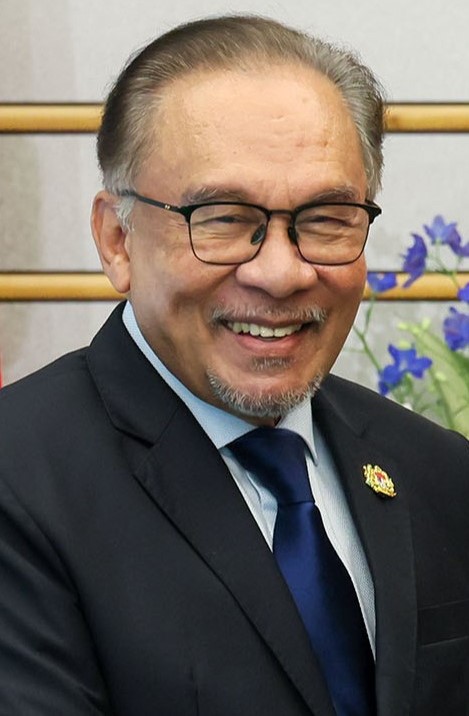
Economic cooperation featured prominently in discussions during the visit. Prime Minister Datuk Seri Anwar Ibrahim hosted a luncheon at Seri Perdana Complex, where both leaders explored avenues for expanded engagement in trade, investment, and human capital development. The Prime Minister and President discussed opportunities in technical training and education, reflecting recognition that deeper people-to-people connections strengthen institutional relationships. These conversations signal an intention to move beyond ceremonial exchanges toward substantive economic partnerships.
Ramos-Horta made a pointed appeal to Malaysian investors to consider opportunities in Timor-Leste's infrastructure sector, positioning his country as an attractive investment destination despite its relatively small economy. He highlighted several competitive advantages that distinguish Timor-Leste from other emerging markets in the region: a notably low debt level compared to many Southeast Asian peers, a substantial sovereign wealth fund providing financial stability, and backing from multilateral financing institutions willing to support development projects. This pitch suggests that Timor-Leste views Malaysian businesses, with their extensive regional experience and capital, as strategic partners for infrastructure modernisation.
Current bilateral trade data reveals significant asymmetry in economic exchange between the two nations. In 2024, total trade stood at USD18.72 million, with Malaysian exports vastly outweighing imports. Malaysia exported USD18.37 million worth of goods to Timor-Leste, while receiving just USD0.35 million in return. This stark imbalance reflects both Timor-Leste's limited manufacturing capacity and Malaysia's more diversified economy, but it also presents opportunity for rebalancing through investment in Timorese productive sectors.
The infrastructure investment angle carries particular significance for Malaysian readers and policymakers. Timor-Leste's positioning as a stable, debt-conscious nation with international support offers a contrasting profile to some regional economies burdened by heavy external obligations. Malaysian companies, particularly those with experience in construction, logistics, and energy sectors, could find valuable opportunities in a country actively preparing for greater regional responsibilities, especially ahead of hosting ASEAN activities.
Ramos-Horta's visit also underscores Timor-Leste's determination to establish itself as a serious regional player following its ASEAN accession. The nation's willingness to invest in infrastructure capable of hosting major regional gatherings signals ambitions beyond mere membership—it aims to demonstrate institutional capacity and prove that its integration strengthens rather than burdens the regional bloc. This perspective matters for Malaysia, which views a stable, prosperous Timor-Leste as beneficial to broader Southeast Asian security and prosperity.
The formal nature of the departure, with official Guard of Honour ceremonies, reflects mutual respect between governments despite the disparity in economic size and international profile. Such ceremonial elements, while symbolic, communicate diplomatic messaging about the importance both nations place on the relationship. For Malaysia, demonstrating commitment to supporting Timor-Leste's successful integration into ASEAN benefits the regional organisation's credibility and cohesion.
Looking forward, the visit establishes a foundation for deeper engagement across multiple fronts. Economic cooperation in infrastructure, facilitated by Malaysian investment and expertise, could become a defining feature of bilateral relations. Educational and technical training exchanges offer opportunities to build institutional capacity in Timor-Leste while creating commercial opportunities for Malaysian service providers. Regional cooperation through ASEAN provides the institutional framework within which these bilateral initiatives can flourish and contribute to broader Southeast Asian development objectives.