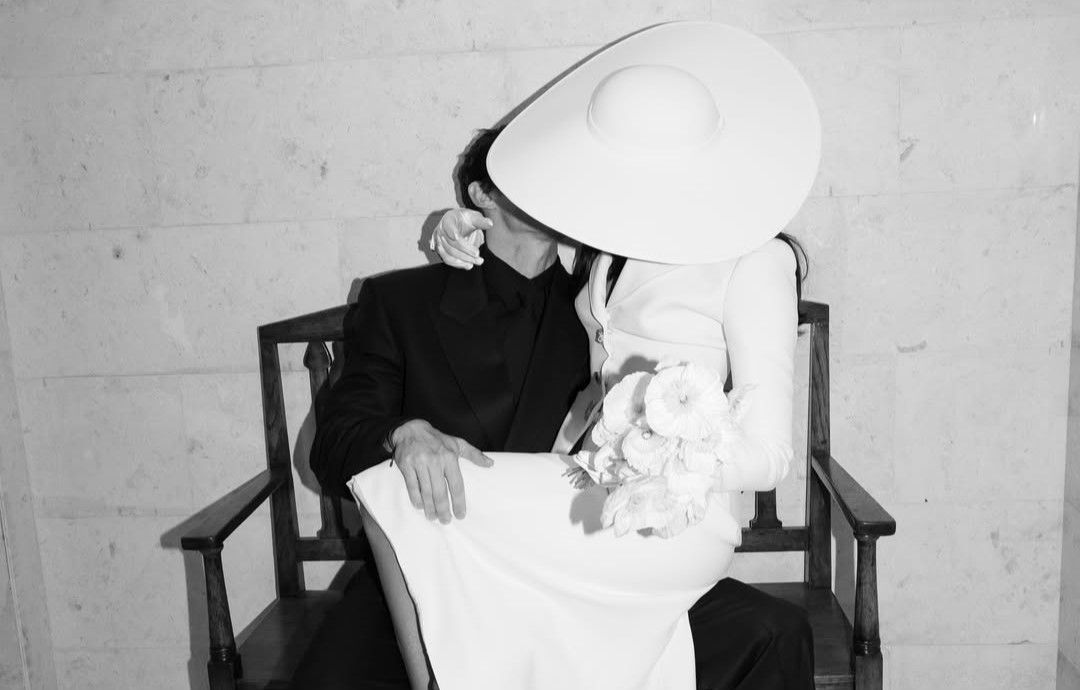
When singer-songwriter Dua Lipa married actor Callum Turner in an intimate London ceremony recently, the fashion world's focus extended beyond the surprise union itself to scrutinise the bride's carefully curated ensemble. Rather than opting for a traditional bridal gown, Lipa selected a custom ivory Schiaparelli skirt suit, executing a departure that proved both elegantly understated and visibly calculated. The choice carried deliberate echoes of Bianca Jagger's unforgettable 1971 wedding ensemble whilst remaining distinctly of the present moment, signalling something broader happening within high fashion circles.
The skirt suit, long positioned as the uniform of corporate conformity and royal protocol, is quietly repositioning itself within contemporary fashion consciousness. This resurgence marks a significant departure from its previous incarnation as formal dressing's most reliable fallback option. The transformation has been neither sudden nor accidental—designers across the luxury spectrum have begun systematically deconstructing and reimagining the two-piece silhouette, applying fresh thinking to its proportions, construction methods, and styling possibilities.
On international runways and within street style documentation, the updated skirt suit has become a canvas for creative experimentation. Rather than adhering to rigid tailoring traditions, contemporary interpretations favour abbreviated hemlines that challenge expectations about hemline lengths, sculptural jacket constructions that prioritise architectural shape, and softer fabric interactions that resist stiffness. This aesthetic evolution transforms what was once immediately recognisable as boardroom attire into something altogether more fashion-conscious and deliberately expressive.
Proenza Schouler exemplifies this reinvention through recent collections that pair streamlined blazers with sleek midi-length skirts, deliberately emphasising relaxed tailoring and fluid proportions over the structured formality associated with corporate professional dressing. The approach suggests that contemporary power dressing need not signal inflexibility or conformity. Across London, Vivienne Westwood has long filtered the skirt suit through the house's characteristic lens combining rebellion with romantic sensibility, offsetting structured jackets through asymmetrical cutting, draped fabric interactions, and unexpected silhouette manipulations that establish the traditional two-piece as thoroughly contemporary.
The skirt suit's expanding appeal stems fundamentally from its positioning within modern dressing hierarchies. Offering greater structure than a conventional dress whilst remaining less formally rigid than traditional suiting, the pairing occupies strategic territory within contemporary wardrobes. This positioning enables wearers to project authority and professionalism without necessarily embracing the sometimes-perceived limitations of conventional tailoring. The two-piece functions effectively as both professional uniform and weekend styling option, depending entirely upon footwear selection and accessory coordination.
Footwear choices particularly demonstrate the skirt suit's contemporary versatility and adaptability. Pointed pumps project traditional polish; loafers communicate understated confidence; trainers deliberately challenge formality conventions entirely. This styling flexibility reflects broader consumer preferences favouring wardrobe pieces capable of multiple interpretations and expressing individual personality through contextual adaptation rather than silhouette alone.
Actress Zendaya recently confirmed the skirt suit's contemporary credentials through her CinemaCon appearance, selecting a sharply tailored iteration styled with her characteristic self-assurance. Rather than reading as corporate or conservative, the ensemble registered as unmistakably fashion-forward—demonstrating how effectively the silhouette adapts to contemporary styling sensibilities when approached with confidence and creative intention. The styling successfully disrupted associations between skirt suits and conventional professionalism, instead positioning the piece within cutting-edge fashion territories.
Melania Trump's consistent embrace of tailored skirt suits from luxury fashion houses throughout her tenure as first lady has similarly reinforced the silhouette's enduring association with power dressing whilst establishing its relevance across generational and stylistic boundaries. Her visible preference for the two-piece sustained public conversation around the skirt suit's professional authority and aesthetic legitimacy during a period when fashion discourse might otherwise have moved entirely beyond structured tailoring conventions.
The skirt suit's contemporary relevance ultimately derives from its capacity to navigate seemingly contradictory demands within modern dressing philosophy. Contemporary consumers increasingly expect wardrobe pieces capable of balancing multiple aesthetic and functional requirements—projecting authority whilst permitting personal expression, signalling professionalism without sacrificing style consciousness, offering structure without rigid conformity. The skirt suit inherently satisfies these competing demands more effectively than alternatives occupying similar sartorial territory.
Beyond its stylistic evolution, the skirt suit's fashion resurrection reflects deeper shifts within how contemporary culture conceptualises femininity, professional identity, and personal presentation. The silhouette's movement from corporate necessity into fashion choice territory suggests growing confidence in styling flexibility and hybrid approaches to dressing that reject binary categorisations between formality and creativity. For Malaysian fashion consumers increasingly influenced by global style directions and seeking versatile pieces capable of multiple contextual applications, the skirt suit's revival offers practical and aesthetically sophisticated alternatives to conventional professional dressing expectations.

