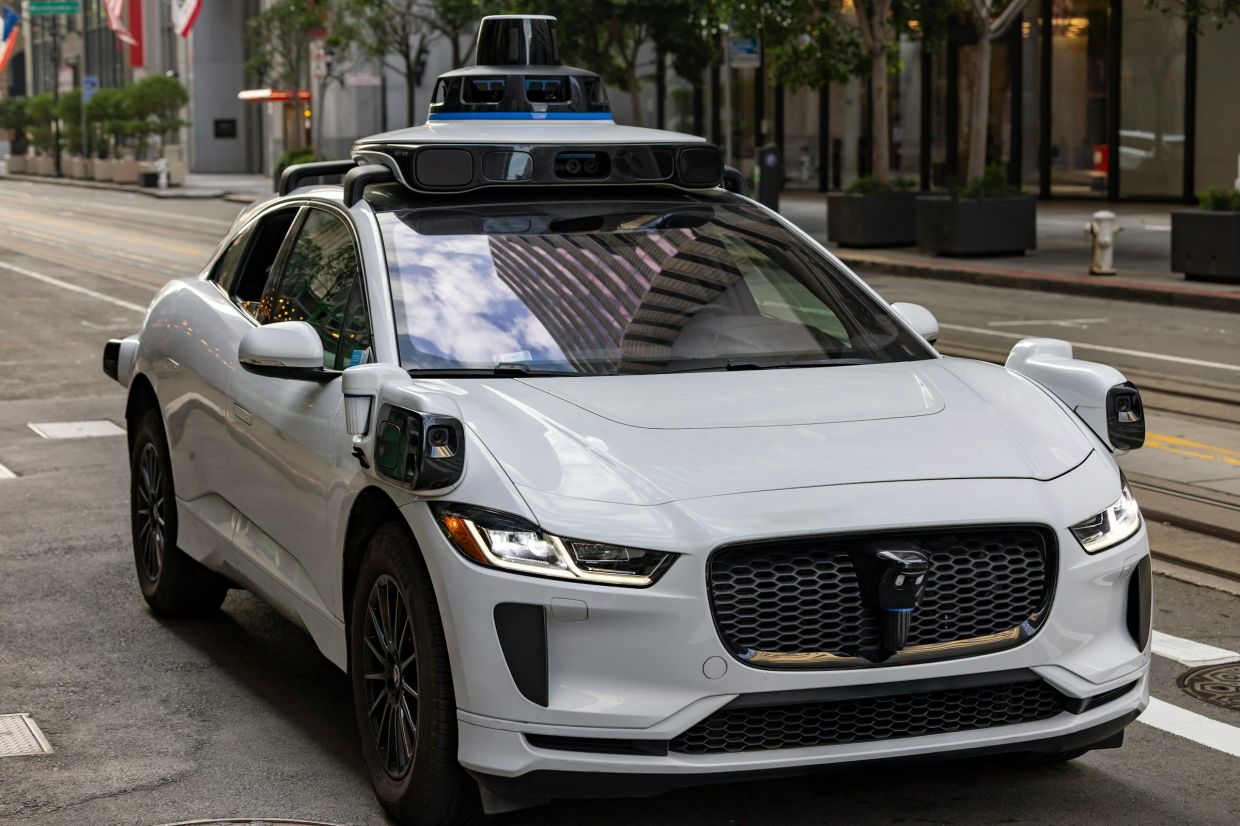
A fatal gas explosion in late May exposed a critical vulnerability in autonomous vehicle technology when a robotaxi's artificial intelligence system failed to vacate the area, delaying emergency responders by more than three minutes. This incident, alongside numerous others across multiple jurisdictions, has crystallised concerns about whether driverless cars are genuinely prepared for the unpredictable demands of urban roads. The challenges extend far beyond simple driving errors, touching on fundamental questions about how machines should interact with human emergency systems and whether current programming adequately anticipates the chaos of real-world crises.
The problems surfaced with alarming frequency throughout 2024 and early 2025. In Austin, an ambulance responding to a shooting at a central bar became trapped behind a malfunctioning Waymo vehicle that froze mid-U-turn, forcing a police officer to physically intervene and move the car. Such incidents are no longer isolated aberrations but part of a documented pattern. CNN's investigation identified hundreds of cases where robotaxis demonstrated dangerous decision-making: running red lights, entering active crime scenes, crossing into oncoming traffic, and coming perilously close to cyclists and pedestrians who were lawfully using the roads. These are precisely the scenarios that autonomous systems are programmed to avoid, yet they persist with troubling regularity.
The cumulative effect of these failures has pressured lawmakers globally to act. Texas enacted new legislation imposing stricter requirements on autonomous vehicle operators, mandating formal licensing frameworks, mandatory emergency response protocols, functional complaint mechanisms, and expanded regulatory oversight powers. This legislative tightening reflects growing recognition that technological capability alone is insufficient; safety governance must evolve in parallel. Similar regulatory scrutiny is intensifying across the United States and Europe, though adoption in China continues to expand rapidly despite public reservations about transparency and safety assurances.
Waymo, the dominant robotaxi operator in North America, has nevertheless encountered significant operational setbacks. Within two months, the company recalled thousands of vehicles and suspended operations in several cities after robotaxis entered flooded streets, including an incident in San Antonio where an unoccupied vehicle was swept away by rushing water. These recalls represent tacit acknowledgment of system limitations in handling environmental conditions that human drivers instinctively recognise and avoid. The company maintains that its vehicles are thirteen times less likely to cause serious injury crashes than human drivers, yet this statistical assertion sits uneasily alongside the documented failures in emergency scenarios where AI decision-making has demonstrably endangered lives.
The integration challenges extend beyond immediate safety concerns. Atlanta residents experienced what observers dubbed the "Waymo invasion" when dozens of empty, driverless vehicles became caught in a software-induced loop, repeatedly circling a residential cul-de-sac for hours. This incident revealed how technical malfunctions can affect neighbourhood quality of life and create anxiety among residents with children and pets. Similar systemic failures occurred in Wuhan, China, where over one hundred Baidu robotaxis simultaneously ceased functioning due to unexplained system failures. Baidu's subsequent refusal to provide substantive public explanations about the incident underscores transparency gaps that compound safety concerns in markets with weaker regulatory oversight.
The core problem lies in the disconnect between isolated vehicle operation and integration within complex urban ecosystems. Autonomous systems must simultaneously manage sensor interpretation, object recognition, route optimisation, and communication protocols with emergency responders. When a robotaxi freezes during a medical emergency or cannot interpret police signals to clear a crime scene, the failure is not merely mechanical but systemic. Remote vehicle unlock capabilities mean nothing if the system requires official credentials to function, potentially trapping passengers during actual emergencies. Similarly, robotaxis occasionally struggle with boundary conditions—narrow passages, irregular road surfaces, temporary barriers—that competent human drivers navigate instinctively. These are not edge cases; they represent routine urban driving challenges.
The tension between company expansion and regulatory consolidation is becoming sharper. Waymo launched its new "Ojai" model in June, developed collaboratively with Zeekr and featuring sixth-generation software, representing significant engineering advancement. Yet uncertainty persists about whether product improvements actually address emergency response deficiencies or merely enhance routine operational efficiency. For Malaysian and Southeast Asian stakeholders monitoring this technology's development, the critical implication is that autonomous vehicle deployment elsewhere is proceeding ahead of proven solutions to well-documented safety gaps. If international markets prove willing to absorb these risks, pressure will mount for rapid adoption in the region.
Regulatory frameworks are beginning to demand that companies align artificial intelligence development and supporting infrastructure with compliance requirements, fundamentally shifting industry priorities. Texas's new legislation exemplifies this approach, establishing binding safety standards that manufacturers must satisfy rather than voluntary best-practice guidelines. This regulatory turn reflects acknowledgment that market incentives alone will not solve emergency integration problems; external mandates and enforcement mechanisms are necessary. However, enforcement remains inconsistent globally, with some jurisdictions maintaining permissive regulatory environments that attract autonomous vehicle testing and deployment.
The path forward requires resolving a fundamental tension: whether autonomous vehicle technology can mature quickly enough to meet increasingly stringent safety regulations. Early failures in emergency scenarios stemmed not from perception systems alone but from poor integration between vehicle decision-making logic and human-generated external signals. Traditional driver-assistance systems operate within defined parameters of human control; robotaxi operations demand comprehensive, pre-programmed emergency protocols that account for countless unforeseen scenarios. Whether existing artificial intelligence architectures can achieve this remains uncertain.
For Malaysian readers and regional policymakers, these international developments carry direct implications. If autonomous vehicles become standard in major global markets despite ongoing safety concerns, pressure for regional adoption will intensify. Chinese expansion of robotaxi services, combined with Western industry advancement, could accelerate deployment timelines in Southeast Asia. The experiences of Austin, Atlanta, Wuhan, and San Antonio provide valuable lessons about implementation risks that Southeast Asian authorities should carefully study before permitting widespread autonomous vehicle testing. The appropriate regulatory response is not blanket rejection but rather requiring companies to demonstrate robust solutions to documented emergency response failures before granting operational approvals.
Ultimately, robotaxis represent transformative potential for urban mobility and road safety. Industry supporters legitimately argue that autonomous vehicles, once perfected, will dramatically reduce traffic fatalities caused by human error. However, the gap between "once perfected" and present-day capability remains substantial and consequential. The question is not whether the technology will eventually mature, but whether current implementations are genuinely safe enough for everyday urban deployment. The incidents documented across multiple countries suggest the answer is currently no, and regulatory tightening reflects appropriate caution rather than obstructionist resistance to innovation.

