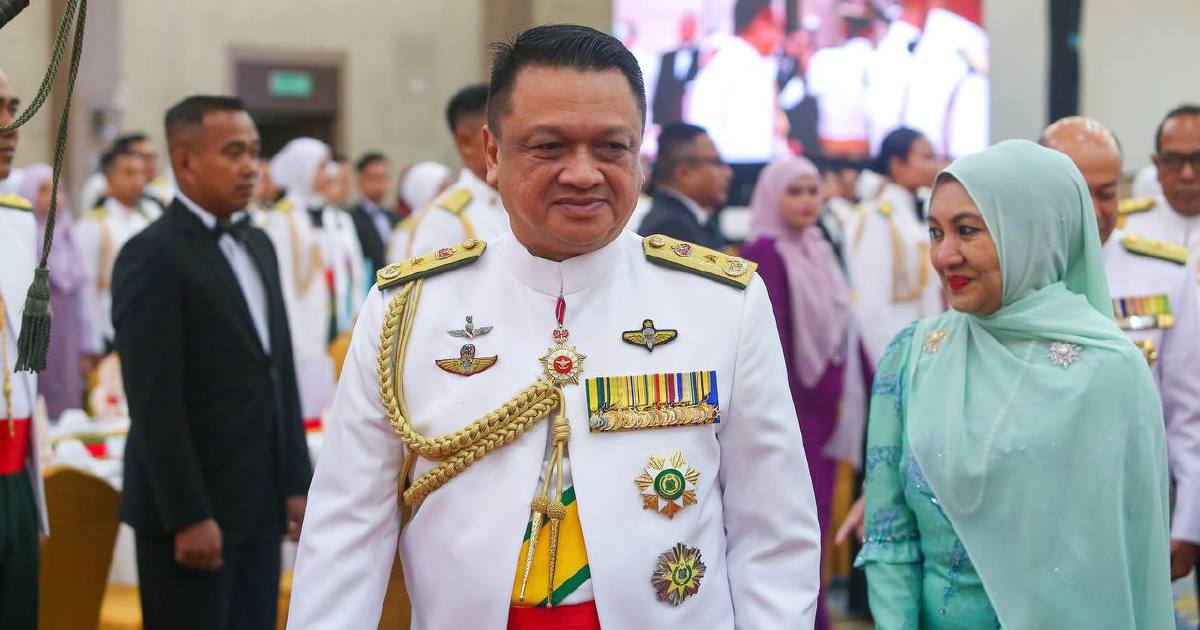
The Raja Muda of Perlis, Tuanku Syed Faizuddin Putra Jamalullail, has emphasised the strategic importance of the Territorial Army as a cornerstone of the nation's defence capability, stressing that the force will persist in fulfilling its mandate through systematic personnel management and operational readiness. Speaking in Arau, the royal highlighted how the military reserve component continues to play an indispensable function within Malaysia's broader security architecture, particularly as regional tensions and evolving security threats demand sustained vigilance and preparedness across the archipelago.
The operational framework guiding the Territorial Army—encapsulated in the doctrine of "To Raise, Train and Maintain"—represents a comprehensive approach to building and sustaining a capable reserve force that supplements the regular armed services. This tripartite methodology underscores the organisation's commitment to recruiting suitable candidates from civilian populations, providing them with rigorous military instruction, and ensuring their readiness to respond to emergencies or conflicts. For Malaysia, where geographic expanse and maritime borders present unique security challenges, such a structured reserve system offers a cost-effective mechanism for augmenting defence capacity without the expenditure burden of expanding the full-time military establishment.
The Territorial Army's role has gained renewed relevance in the contemporary security environment, where threats extend beyond conventional warfare to encompass maritime piracy, human trafficking, transnational smuggling networks, and potential non-traditional security challenges. The northern state of Perlis, with its proximity to Thailand and significant border responsibilities, has particular strategic significance in Malaysia's overall defence posture. By maintaining a well-trained territorial reserve, the nation can respond more flexibly to emerging threats while distributing security responsibilities across a broader demographic base, thereby enhancing community engagement with national defence objectives.
The Raja Muda's intervention reflects the monarchy's traditional custodial interest in defence matters and military affairs, a responsibility deeply embedded in Malaysia's constitutional framework. Royal patronage of military institutions carries symbolic weight that reinforces the institutional legitimacy of the armed forces and demonstrates high-level institutional commitment to defence readiness. Such ceremonial and substantive engagement by the royal hierarchy signals to both the military establishment and the general public that national security remains a priority at the highest levels of governance and that investments in defence infrastructure enjoy steadfast support.
The recruitment and training dimensions of the Territorial Army's mission prove particularly critical given demographic shifts and changing occupational patterns within Malaysia. As the nation's workforce becomes increasingly urbanised and oriented toward service sector employment, maintaining volunteer reserve components requires sustained outreach and effective incentive structures. The training infrastructure that the Territorial Army operates provides valuable military competency to civilians who might otherwise have limited exposure to disciplined organisational environments, creating a reservoir of leadership potential and technical expertise applicable to various national emergencies.
Regional security dynamics in Southeast Asia underscore why Malaysia cannot afford to allow its defence capabilities to atrophy. The South China Sea remains contested territory with multiple territorial claims, and maritime security incidents periodically surface tensions among the region's powers. Having an expanded pool of trained personnel available for rapid deployment enhances Malaysia's ability to protect its interests and respond to maritime incursions or humanitarian crises. The Territorial Army constitutes part of this broader deterrent architecture, making potential adversaries aware that Malaysia possesses the capacity to mobilise reserves if conventional forces require reinforcement.
The maintenance phase of the Territorial Army's operational concept deserves particular emphasis, as sustaining readiness over extended periods without active conflict presents genuine organisational challenges. Equipment must be periodically refreshed, training standards must evolve with technological advancement, and personnel rotations require careful management to preserve institutional knowledge. The Malaysian military has invested in modernisation initiatives that extend to reserve components, ensuring that territorial forces remain equipped with weapons systems and communications technology compatible with regular army units, thereby facilitating seamless coordination during joint operations.
Financial considerations necessarily constrain how extensively any government can develop reserve military capabilities, and Malaysia's defence budget must balance spending across multiple branches and operational requirements. However, the Territorial Army represents relatively efficient use of defence expenditure, since participants receive part-time training and compensation while maintaining civilian employment, reducing the recurring personnel costs associated with a fully professional military. This cost-effectiveness has allowed Malaysia to sustain meaningful reserve capabilities even amid competing budgetary demands from infrastructure development, healthcare, and education sectors.
The Royal Malaysian Regiment, which forms the core of the Territorial Army, draws from diverse ethnic and occupational backgrounds, making it a genuinely integrative institution within the broader national fabric. This diverse composition enhances social cohesion by placing Malaysians from different communities in structured environments where they work toward shared security objectives. Such institutional bridges across ethnic lines acquire heightened importance in a multicommunal society where political tensions occasionally surface, and where military institutions can reinforce national unity through shared purpose and collective responsibility.
Looking forward, the Territorial Army's relevance appears likely to increase rather than diminish, as climate change introduces new security challenges including potential resource scarcities and displacement pressures that could destabilise the region. Furthermore, the proliferation of non-state actors and transnational criminal organisations means that traditional security frameworks require supplementation through flexible, adaptable reserve forces capable of supporting law enforcement and civil authorities. The Raja Muda's endorsement signals that Malaysia's leadership recognises these evolving imperatives and remains committed to sustaining the institutional structures necessary for long-term national security.

