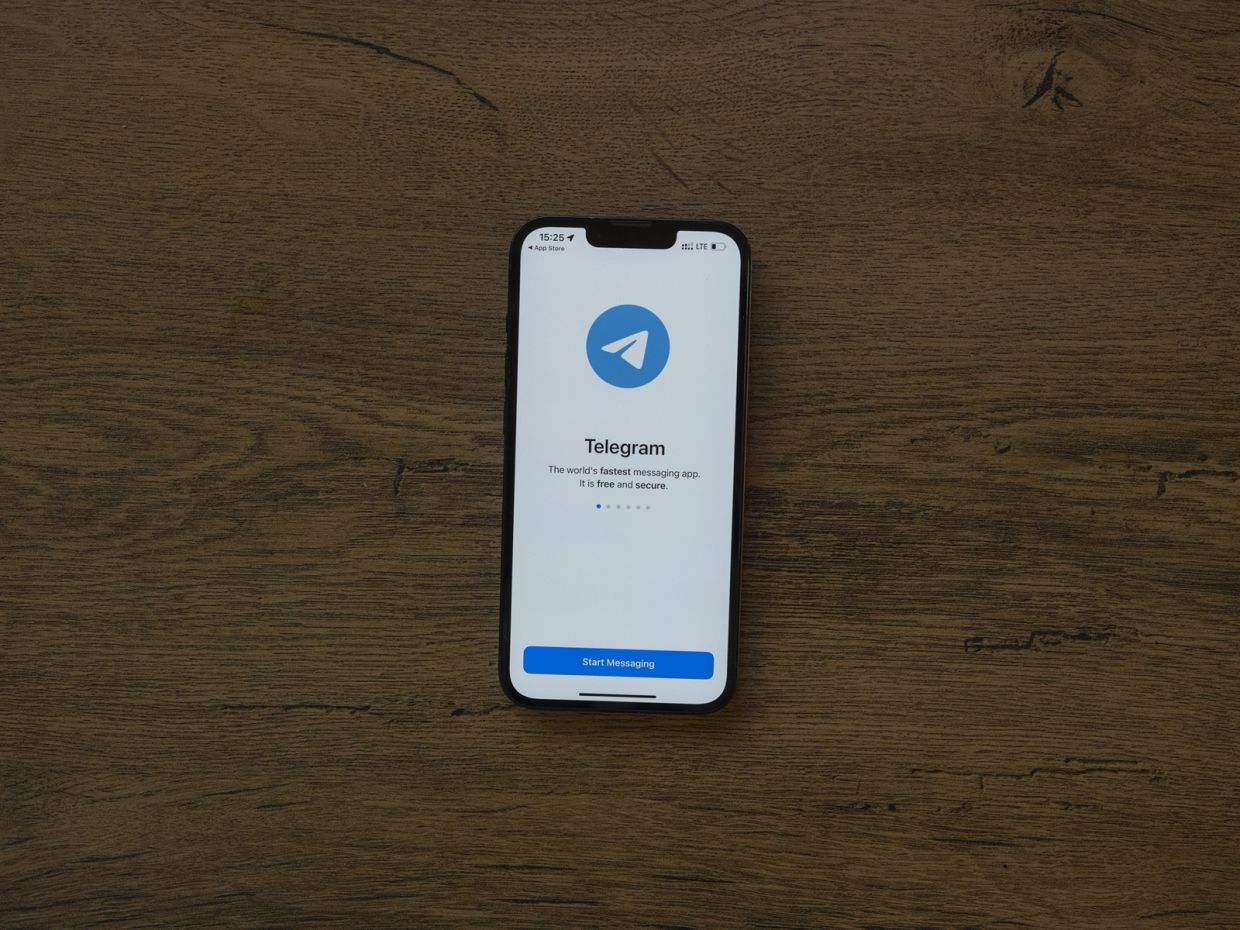
Telegram, the encrypted messaging platform celebrated by activists and journalists for resisting government surveillance, has become a focal point of regulatory conflict across the globe. What began as a tool enabling free expression in authoritarian contexts has evolved into a contested battleground where national governments, alarmed by its role in facilitating illegal activity and undermining state authority, are taking increasingly aggressive action. The app's refusal or inability to police illicit conduct on its platform—combined with founder Pavel Durov's principled stance against compromising user privacy—has triggered a cascade of bans, criminal investigations, and restrictions that reflect a fundamental clash between data protection and state control.
India's recent temporary ban until June 22 provides the latest and perhaps most revealing example of this conflict. The country, where Telegram boasts more than 150 million users, moved against the app after discovering that fraudsters had weaponised the platform to sell what they claimed were leaked examination papers from the National Eligibility cum Entrance Test for medical colleges. Millions of students and their families were deceived into purchasing fake materials ahead of India's crucial entrance examination in May. When the National Testing Agency exposed the scam, it scrambled to maintain exam integrity by cancelling initial results and scheduling a retest. The episode triggered widespread anger among young people, with many directing their frustration at perceived governmental mismanagement of educational systems. Durov responded by pointing out that Telegram had proactively removed hundreds of channels connected to the exam fraud scheme, arguing that targeting the entire platform punished legitimate users rather than criminal actors.
Russia presents perhaps the most instructive historical case of escalating governmental pressure. In 2018, Russia's courts moved to block Telegram after the app refused to provide the Federal Security Service with decryption keys to user communications. Durov, who had departed Russia in 2014, made clear that Telegram's technical architecture made such compliance impossible without fundamentally compromising user privacy. The blocking attempt created an embarrassing contradiction: the Russian government itself relied heavily on Telegram for internal communications, forcing authorities to reverse course by 2020. However, the Kremlin's recent intensified crackdown, ostensibly framed as combating terrorism and fraud during the Ukraine conflict, suggests that strategic patience rather than genuine compromise guided the earlier reprieve. Russian communications regulators now accuse Telegram of enabling criminal networks and state adversaries, effectively blocking access again. Durov countered that the government's true motive was forcing Russian citizens toward Kremlin-approved messaging platforms built explicitly for surveillance and political control.
Ukraine's experience during Russia's invasion demonstrates how Telegram's decentralised, difficult-to-control nature cuts both ways. For millions of Ukrainians, the platform has served as a critical information lifeline, delivering real-time warnings of incoming Russian strikes and facilitating coordination for humanitarian aid delivery. Yet Ukrainian officials increasingly worry that the same platform enables Russian intelligence operations and the dissemination of disinformation campaigns designed to demoralise the population. In 2024, Kyiv moved to restrict Telegram access on government and military devices for employees working in sensitive national security roles, acknowledging that the security risks posed by the platform's opacity outweighed its communications advantages. Some Ukrainian policymakers have advocated for rules requiring Telegram to reveal the identities behind large anonymous channels, a proposal that directly challenges Durov's privacy-first philosophy.
France's action against Durov personally marks an unprecedented escalation in Western regulatory responses. In 2024, French authorities arrested the founder upon his arrival in the country and lodged charges encompassing a sweeping range of alleged failures: enabling child sexual abuse material distribution, facilitating drug trafficking, and permitting online hate crimes. Durov was initially barred from leaving French territory, though he was later allowed to return to his base in Dubai, the United Arab Emirates. The French position rests on the premise that platform operators bear legal responsibility for user-generated criminal conduct, a principle that directly contradicts Telegram's business model and Durov's libertarian conviction that technology companies cannot and should not police content at scale. Telegram's counterargument—that it complies with European Union law and that holding a company accountable for user abuse represents an absurd inversion of responsibility—resonates with tech industry advocates but carries little weight with French prosecutors focused on documented harm.
Norway and Brazil have adopted similarly assertive stances, though through different mechanisms. Norwegian authorities, treating Telegram as a national security threat comparable to TikTok, advised state officials to remove the app from work devices. Brazil's Supreme Court has issued multiple nationwide bans, first in 2022 when Telegram allegedly failed to remove accounts spreading electoral disinformation ahead of a presidential election, and again in 2023 when the platform resisted Brazilian court orders demanding data from neo-Nazi group chats. Each suspension ended only when Telegram capitulated to specific compliance demands, revealing a pattern whereby democratic institutions increasingly view the platform's resistance to judicial oversight as fundamentally illegitimate.
The underlying conflict reflects competing legal and philosophical frameworks with profound implications for Southeast Asia and the developing world. Western and democratic governments increasingly assert that platform operators must accept responsibility for content moderation and state investigative requests as a condition of operating within their jurisdictions. Authoritarian regimes weaponise these same compliance demands to expand surveillance capabilities and suppress dissent. Telegram's resistance strategy—which involves technical limitations on Durov's ability to access encrypted user data, combined with principled refusal to build backdoors for governments—creates genuine blind spots that criminals and terrorists undoubtedly exploit. Yet governments themselves systematically misuse surveillance access to target journalists, activists, and opposition figures, meaning that every compliance concession carries risks for vulnerable populations.
For Malaysia and Southeast Asia, these developments present a critical decision point about regulatory direction. The region's growing adoption of Telegram, particularly among younger demographics and activist communities, means that regional governments will inevitably confront the same policy questions that have vexed Paris, Moscow, and New Delhi. The regulatory trend globally suggests increasing pressure toward mandatory content moderation, government data access, and restrictions on government employee usage. Whether these measures genuinely reduce crime and enhance security, or primarily serve to expand state surveillance capabilities while pushing criminals toward alternative platforms, remains contested. What is clear is that Telegram will not voluntarily compromise its core technical architecture, setting up inevitable confrontations with governments demanding compliance.
The broader question that extends beyond Telegram concerns the future of encrypted communications in an increasingly digitised but politically fractured world. Can governments and technology platforms reach sustainable compromises that address genuine security threats while preserving privacy for ordinary citizens? Or does the fundamental incompatibility between encryption-by-design and government surveillance access guarantee continued escalation, with each side becoming more aggressive and less willing to negotiate? Regional policymakers in Malaysia and Southeast Asia would be wise to study the international experience carefully before committing to particular regulatory frameworks, recognising that choices made today about platform governance will shape the relationship between citizens and state power for decades.