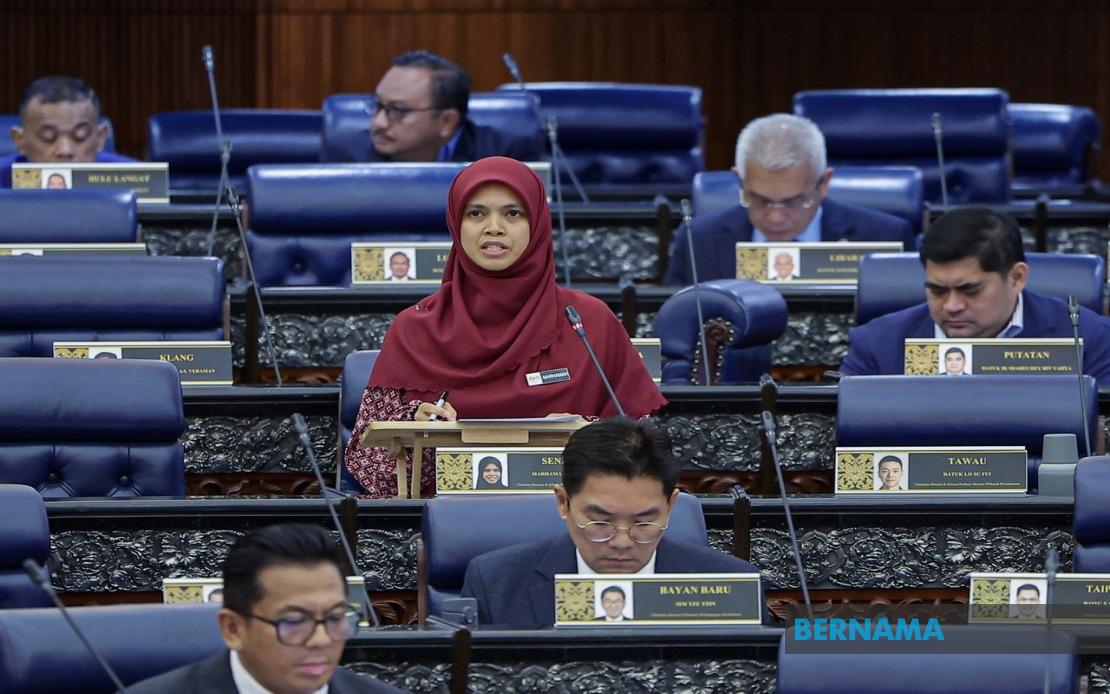
Malaysia's Tabung Haji (TH) is examining whether to increase subsidies for lower-income pilgrims as haj expenses continue their upward trajectory, Deputy Minister in the Prime Minister's Department (Religious Affairs) Marhamah Rosli told the Dewan Rakyat on June 22. The government remains committed to ensuring that prospective pilgrims from the B40 income bracket can afford the sacred journey, though any expansion of assistance must be weighed carefully against TH's capacity to provide sustainable support year after year.
The real picture of haj affordability has become more challenging for ordinary Malaysians. This year, the actual per-pilgrim cost of performing haj stands at RM33,300, a substantial figure that puts the pilgrimage beyond reach for many families. Through TH's targeted assistance scheme, however, B40 pilgrims are required to contribute only RM15,000 themselves, with the organisation covering the gap of RM18,300. This subsidy represents a significant commitment, yet Marhamah suggested that the government and TH recognise the pressure mounting on lower-income households and are open to exploring additional support mechanisms for coming years.
The viability of increased assistance hinges on how TH manages its finances. Marhamah explained that the funds underpinning the current subsidy scheme originate from investment returns generated by depositors' savings held within the organisation. This funding model creates an inherent tension: while TH desires to serve all pilgrims generously, it must exercise prudence to safeguard the interests of all depositors, not merely those undertaking haj in any single season. Any decision to expand B40 assistance therefore requires careful analysis of TH's investment performance, reserve levels, and long-term financial sustainability.
Beyond the funding question, TH faces a more fundamental structural challenge: demand vastly exceeds supply. Haj registrations have ballooned to over four million Malaysians, yet the kingdom's annual quota permits only approximately 31,600 pilgrims from Malaysia. This yawning gap means that newly registered applicants face extraordinarily long waiting periods—in some cases, decades before their turn arrives. The organisation is consequently reviewing its queue management protocols to create a system that rewards disciplined savers and long-term planners whilst remaining equitable to all depositors.
The proposed reforms to the queue system address a practical problem that has frustrated depositors for years. When selected pilgrims defer their pilgrimage due to insufficient funds accumulated during their waiting period, TH must repeatedly offer places to the next candidates on the list. A more sophisticated management approach could prioritise those who have consistently contributed and accumulated adequate reserves, thereby reducing the cascade of deferrals and replacement offers that currently plague the system. Such improvements would also acknowledge the commitment of pilgrims who have methodically saved over many years.
For Malaysian families in the B40 category, the haj subsidy scheme represents a rare government programme that meaningfully bridges the gap between aspiration and reality. Without this assistance, the RM33,300 price tag would remain prohibitive for millions of Muslims. The subsidy framework reflects broader policy aims to ensure that religious obligations are accessible across income strata, though the sustainability question remains unresolved. Marhamah's reference to studying proposals for increased assistance signals that policymakers recognise the mounting strain on household budgets as haj costs climb.
The timing of this parliamentary discussion is significant for the regional context. Throughout Southeast Asia, Muslim-majority nations grapple with similar challenges of managing haj aspirations against financial constraints and Saudi Arabia's quota limitations. Malaysia's approach—combining targeted subsidies, mandatory savings through TH, and queue management—offers a model that other countries observe closely. However, the model's integrity depends on its financial foundations remaining secure and its processes remaining transparent and fair.
Marhamah also reiterated the government's broader ambition to position Malaysia as a global leader in haj administration and services. Beyond mere finance, this encompasses pilgrim welfare, safety standards, and the overall experience of Malaysian Muslims undertaking what many regard as the journey of a lifetime. Improving haj queue management and potentially enhancing subsidies forms part of this larger vision, signalling that Malaysia takes seriously its responsibility to facilitate dignified pilgrimage for its citizens.
The challenge ahead for TH and the government is multifaceted. Rising global fuel prices, inflation in Medina and Mecca, and increased service fees all conspire to push haj costs upward. Simultaneously, Malaysian household incomes for lower-income groups have not kept pace with such increases, making the affordability crisis more acute. If TH decides to increase B40 assistance, it must identify funding sources that do not jeopardise the savings security of millions of depositors. Conversely, maintaining current subsidy levels whilst costs surge effectively narrows access for the poorest Malaysians.
The parliamentary exchange between Marhamah and opposition MP Onn Abu Bakar (PH-Batu Pahat) highlights bipartisan concern about haj accessibility. Regardless of political affiliation, legislators recognise that a religious obligation should not become a privilege of the wealthy. This consensus creates political space for TH to explore enhanced assistance, though the technical and financial work remains formidable. Any proposals must be thoroughly vetted before implementation to avoid unintended consequences.
Looking forward, TH faces critical decisions. The organisation must balance its role as a savings custodian with its mandate to facilitate pilgrimage. Expanding subsidies for B40 pilgrims aligns with social equity principles, yet requires confident investment performance and prudent reserve management. The government's willingness to study enhanced assistance proposals suggests recognition that the current system, whilst generous by global standards, may no longer be sufficient as haj costs accelerate. How TH and the government navigate this balance will determine whether future generations of lower-income Malaysians can realistically aspire to perform the haj without facing impossible financial hurdles.

