A Swedish court has dismissed a Hong Kong couple's legal challenge against a social welfare administration's decision to transfer guardianship of their four-year-old daughter to her foster parents, dealing another setback to their efforts to reclaim custody. The ruling, delivered on June 10, essentially closes off one avenue for the parents to contest what they view as an unjust removal of parental rights, leaving them with limited options to reunite with their child who has lived with foster caregivers since May 2024.
The Swedish Social Welfare Committee determined in an early June report that the girl, referred to as Lily, required protection from what it characterised as a destabilising living situation. The committee specifically cited concerns about her exposure to what it described as a "rootless and insecure existence" under her parents' care. Subsequently, the welfare body petitioned the court to formally appoint her foster parents as her legal guardians with special status, a move that would substantially diminish the biological parents' legal standing in matters affecting their daughter. In its justification, the committee emphasised that Lily deserved to grow up surrounded by warmth, routine, predictability and emotional security—qualities it implicitly suggested were absent in her previous family environment.
The committee's assessment included a notably critical observation about the parents themselves, stating they had demonstrated neither receptivity nor understanding of what constitutes their daughter's best interests. This finding essentially questioned whether the parents possessed the self-awareness or willingness necessary to correct whatever circumstances had prompted the initial removal of their child. Such language in official welfare documentation carries significant weight in jurisdictions like Sweden, where child protection frameworks prioritise stability and the child's psychological wellbeing above parental preference.
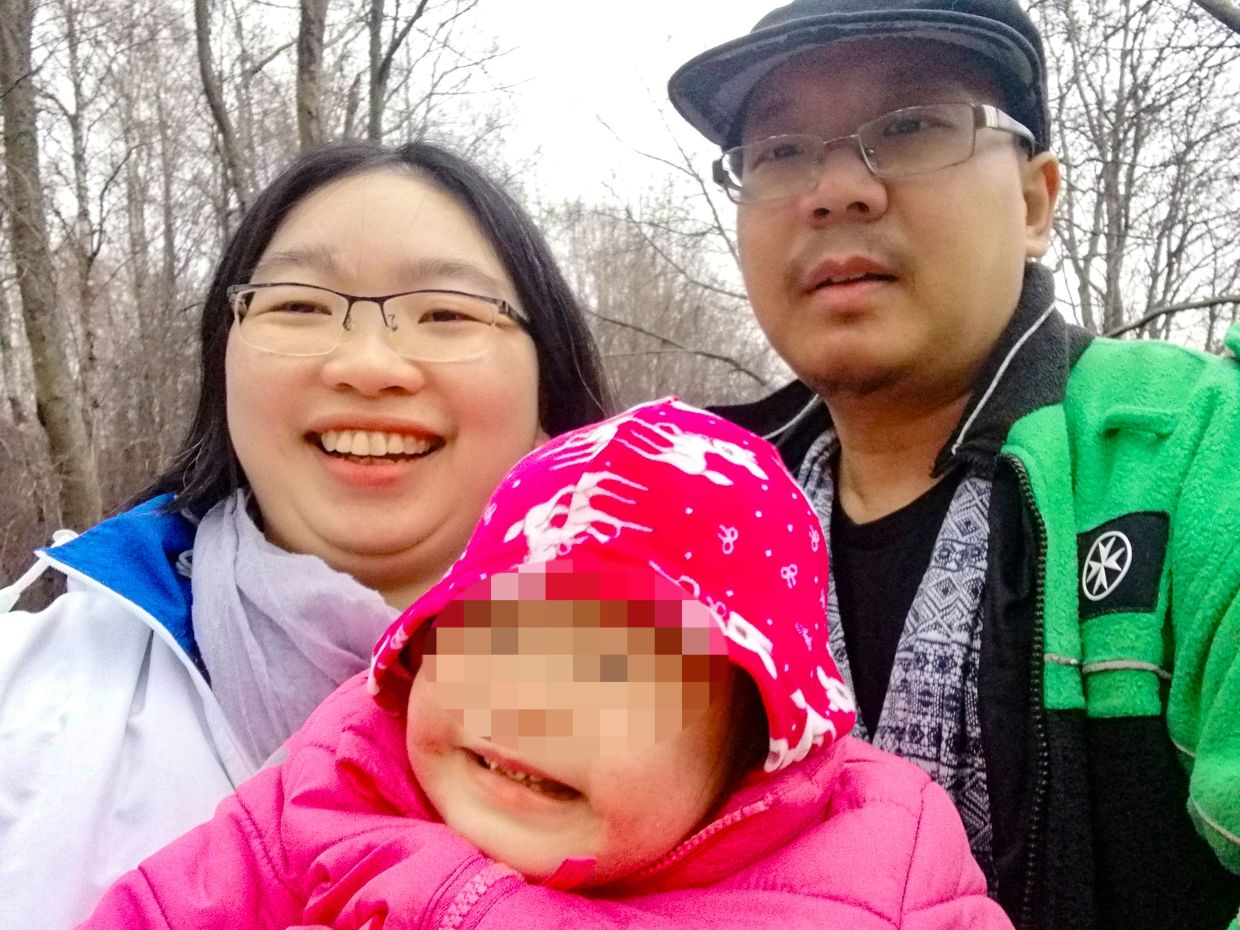
The parents, Hong Kong residents Tsang and Kwan, have mounted what they characterise as a desperate campaign to reclaim their daughter since her placement in Swedish care. They established a social media page titled "Save Lily" through which they have shared family photographs and official documents, attempting to mobilise public sympathy and international pressure on Swedish authorities. This strategy reflects the growing phenomenon of transnational family disputes played out across social platforms, where aggrieved parties attempt to bypass institutional obstacles through grassroots awareness campaigns. However, such efforts have proven ineffective against the procedural and legal barriers they face.
What may prove particularly frustrating for Tsang and Kwan is the court's reasoning for rejecting their challenge. The June 10 ruling established that social welfare reviews themselves cannot be subject to judicial challenge under Swedish law. Instead, parents must await formal administrative decisions before they can pursue legal recourse. This creates a significant procedural hurdle that effectively insulates welfare committee determinations from immediate court scrutiny, a safeguard intended to prevent repeated litigation from disrupting child welfare outcomes but one that leaves parents like Tsang and Kwan feeling procedurally trapped. Tsang subsequently told media outlets that he was deeply disappointed the Swedish court "did not even allow us the opportunity to challenge its irrationality."
The couple's troubles extend well beyond their current Swedish difficulties and reveal a pattern of interactions with child welfare authorities across multiple jurisdictions. Lily was born at their home in Finland in October 2021, making her their second child. Their first daughter, also born at home, died at one month old in 2019—a tragedy that triggered investigations into parental negligence. Finnish authorities complicated matters further by refusing to register Lily's birth, citing the parents' Hong Kong permanent residence as grounds to decline jurisdiction over the registration process. This administrative decision would have lasting consequences, leaving Lily without proper documentation in Finland and creating a vulnerability that would later facilitate her removal by Swedish authorities.
When the family relocated to Sweden, circumstances deteriorated rapidly. Tsang and Kwan were arrested on suspicion of money laundering, and Lily was immediately placed in social welfare custody in December 2023. Although Swedish prosecutors later abandoned the money laundering charges, the child welfare case proceeded independently of that criminal matter. This separation meant that even exoneration on financial crime charges did not automatically restore the parents' custody rights, demonstrating how welfare and criminal proceedings operate through distinct legal frameworks that do not necessarily reach aligned conclusions.
The situation took another troubling turn after the couple returned to Hong Kong. They had another home birth, welcoming a baby boy named Danny earlier this year. However, when they refused to provide a DNA test as verification of their biological relationship to the newborn—a requirement for birth registration in Hong Kong—authorities declined to register the child. Danny was subsequently placed under the care of the Social Welfare Department, and the parents now face another custody battle in a third jurisdiction, with outcomes depending on further social worker assessments and a court hearing scheduled for late this month. The pattern suggests systemic concerns that authorities across multiple regions view as relevant to parental capacity.
On Monday, Tsang reported that he and Kwan, acting under government social worker supervision, took Danny to a Department of Health maternal and child health centre for medical evaluation. The examination revealed no health irregularities in the three-month-old, a finding that at least establishes the child's current physical wellbeing. However, physical health represents only one dimension of child welfare assessment; authorities will likely examine broader questions about parenting practices, home environment stability, and whether the parents have demonstrated responsiveness to previous concerns raised by welfare professionals.
The case raises significant questions about how Hong Kong residents navigating child welfare systems abroad can effectively safeguard their parental interests while acknowledging legitimate child protection concerns. The Tsang-Kwan situation illustrates the vulnerability of families whose practices—such as home birth—that may be legal in some contexts become subjects of intense scrutiny when combined with tragic outcomes or administrative complications in different legal jurisdictions. For Malaysian and Southeast Asian parents abroad, the cases underscore the importance of understanding local child protection frameworks and maintaining clear documentary evidence of children's births and health status.