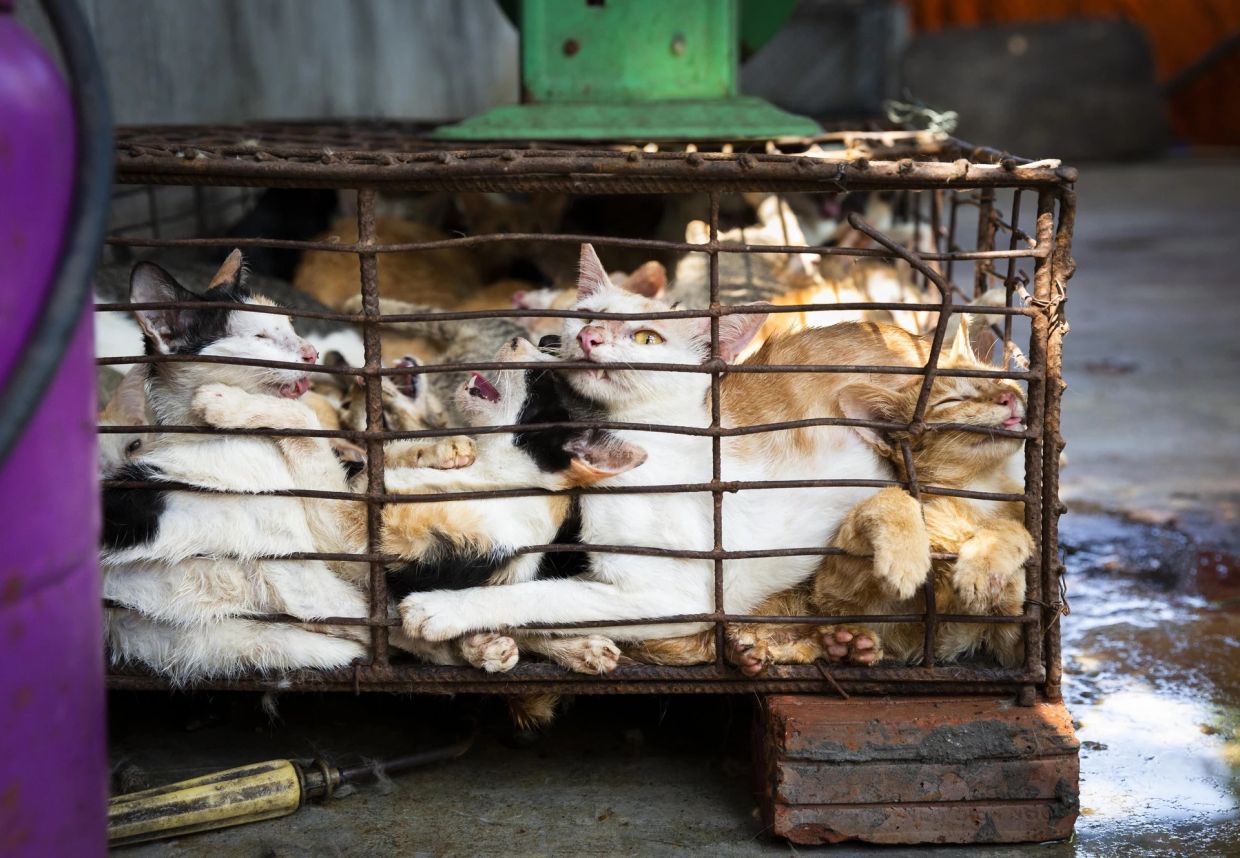
A clandestine but persistent trade in cat meat continues to flourish across Indochina, driven primarily by cultural superstitions and unfounded beliefs about health benefits rather than nutritional necessity. Animal welfare organisations have documented the systematic theft, trafficking and slaughter of approximately one million cats annually in Vietnam alone, with additional killings occurring in Cambodia and Laos targeting remote communities where traditional practices remain deeply entrenched. The recent exposure of a smuggling gang in Ho Chi Minh City, which resulted in the rescue of about 500 cats and the detention of nine members allegedly involved in cross-provincial trafficking over three years, underscores the organised nature of an activity that persists despite decades of government campaigns and international advocacy efforts.
The cultural roots of this trade run deep in certain Vietnamese communities, where consumption patterns are intertwined with lunar calendar superstitions and folk medicine traditions. According to FOUR PAWS, a global animal welfare organisation, consumers in parts of Southeast Asia maintain longstanding beliefs that consuming cat meat during specific periods of the lunar month can reverse misfortune or attract good luck. Others subscribe to unproven claims that the meat possesses healing or medicinal properties, misconceptions that persist despite lacking any scientific substantiation. Jon Rosen Bennett, who directs dog and cat welfare advocacy at FOUR PAWS, emphasises that these consumption patterns reflect cultural and social motivations rather than dietary necessity, making the trade particularly resistant to conventional public health arguments.
Black cats command premium prices within this underground market, fetching significantly higher sums than other felines due to the additional superstitious value attributed to their colour. During investigations conducted in 2020, FOUR PAWS researchers documented live cats being sold for approximately US$6 to US$8 per kilogramme, with processed meat retailing for US$10 to US$12 per kilogramme. The willingness of traders to pay substantially more for black cats reflects how deeply embedded these folk beliefs remain within the market structure, creating economic incentives that perpetuate demand for specific animals.
A striking disconnect exists between the persistence of this trade and actual public sentiment across the region. Survey data cited by FOUR PAWS reveals that nearly 90 percent of Vietnamese respondents support establishing a comprehensive ban on both dog and cat meat trading, while over 90 percent explicitly reject the notion that consuming such meat constitutes an authentic part of Vietnamese culture. This dramatic gap between minority practice and majority opposition suggests that the trade does not reflect broad social endorsement but rather operates within specific cultural pockets and is sustained by entrenched beliefs rather than widespread demand. The data implies significant potential for policy intervention, provided governments demonstrate political will to enforce restrictions.
Cambodia and Laos present distinct contexts within the broader Indochina trade, with killings concentrated in remote areas where traditional practices retain stronger cultural authority and enforcement mechanisms are weaker. The persistence of the trade across multiple countries indicates both regional demand networks and the challenges that geographically dispersed enforcement presents. Border regions and less developed areas appear particularly vulnerable to trafficking operations, as weak regulatory infrastructure and limited surveillance capabilities enable organised smuggling rings to operate with relative impunity.
Beyond animal welfare considerations, the practice poses significant public health risks that extend beyond individual animal suffering. The undocumented, large-scale movement of live cats across borders creates serious disease transmission pathways, particularly for rabies and other zoonotic infections that can jump to human populations. These animals move through supply chains without veterinary inspection or health documentation, meaning disease carriers can reach markets and consumers without detection. For a region already familiar with emerging infectious disease threats, including COVID-19's suspected zoonotic origins, this represents a tangible epidemiological vulnerability that health authorities ought to address alongside animal welfare concerns.
The absence of explicit nationwide bans on cat meat slaughter, sale and consumption in Vietnam represents a significant regulatory gap. Without legal prohibitions, enforcement agencies face obstacles in prosecuting traders and traffickers, and smuggling operations can claim ambiguous legal status. The Ho Chi Minh City police action targeting the smuggling gang suggests that authorities possess capacity to investigate and dismantle trafficking networks, yet without legislative support, such enforcement remains sporadic and reactive rather than systematic. Establishing clear legal frameworks would enable sustained, proactive enforcement rather than reliance on individual police operations triggered by public reports.
The broader Southeast Asian context reveals that cat meat consumption exists alongside a larger trade in dog meat, with animal welfare groups estimating that more than 10 million dogs are slaughtered annually across the region. However, dog meat consumption faces growing regional resistance, with public sentiment increasingly shifting against the practice in many communities. The trajectory suggests that organised opposition, combined with demographic and economic changes, can alter long-standing practices over time. Cat meat consumption may follow similar patterns if advocacy efforts gain momentum and generational attitudes shift away from traditional superstitions.
FOUR PAWS' launch of an online public reporting platform in Cambodia during June represents an adaptive strategy for mobilising community-level monitoring and information gathering. Digital tools that allow anonymous reporting can help overcome cultural hesitations about reporting neighbours or local traders, potentially creating intelligence networks that support government enforcement. This approach acknowledges that law enforcement alone cannot sustain effective action without civilian engagement and suggests that advocacy organisations view community participation as essential to building sustainable opposition to the trade.
For Malaysia and other Southeast Asian nations considering their own positions on this issue, the case of Indochina illustrates how cultural practices rooted in superstition can persist despite clear public opposition and documented harms. The regional nature of trafficking networks means that addressing the trade requires coordinated approaches rather than isolated national actions. Additionally, the public health implications warrant serious consideration from health ministries beyond traditional animal welfare perspectives. Whether Southeast Asian governments move toward regional cooperation on enforcement and cross-border protocols may determine whether the cat meat trade persists as a regional phenomenon or gradually diminishes as legal restrictions tighten and public opposition strengthens.

