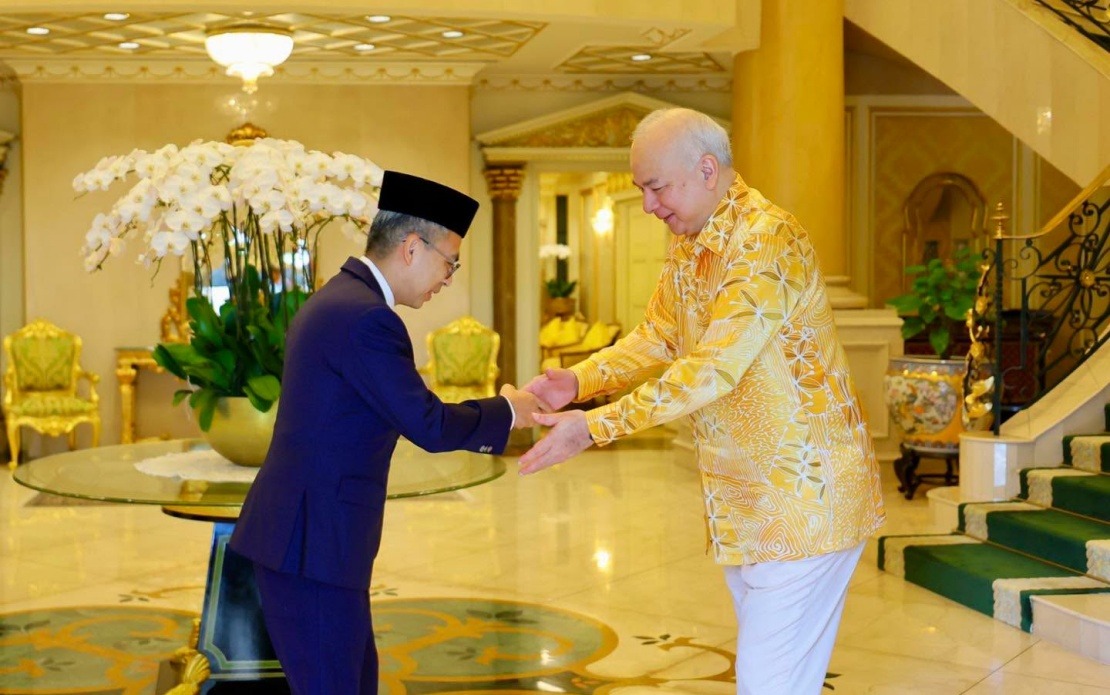
Communications Minister Datuk Fahmi Fadzil has updated the Sultan of Perak, Sultan Nazrin Shah, on the government's strategic initiatives aimed at bolstering communication infrastructure development and widening digital service accessibility throughout the state. The briefing took place during an official audience granted to the minister by the royal household.
The ministry's portfolio encompasses both the physical expansion of communication networks as well as the qualitative improvement of existing services in Perak. This aligns with the broader national agenda to reduce the digital divide across Malaysia's states, ensuring that rural and urban populations alike benefit from modern telecommunications capabilities. The initiative carries particular significance for Perak, which encompasses diverse geographical terrain ranging from developed urban centres to more remote rural communities.
Beyond infrastructure metrics, the audience touched upon online safety considerations, a dimension that reflects growing awareness among policymakers about the need to balance expansion with protection. The inclusion of this topic in the royal briefing underscores how digital safety has become a priority alongside connectivity expansion, recognizing that increased access must be accompanied by mechanisms to shield users from online threats and harmful content.
Minister Fahmi's engagement with the palace demonstrates the customary protocol through which federal departments keep state rulers informed of developments affecting their territories. Such briefings serve multiple purposes: they keep the monarchy apprised of government initiatives, provide an opportunity for the royal household to understand and potentially influence implementation approaches, and reflect the collaborative governance model that characterises Malaysia's federal system.
Fahmi's public acknowledgment of the audience and his expressions of goodwill toward Sultan Nazrin and the Perak Royal Family underscore the diplomatic importance of maintaining cordial relations between the federal executive and state-level institutional actors. The minister's Facebook statement, conveying blessings and well-wishes, reflects cultural protocols and the symbolic weight attached to interactions between government officials and the monarchy.
The timing of this briefing comes as Malaysia continues to grapple with persistent connectivity challenges in certain regions. Perak, as one of the nation's larger states, presents both opportunities and challenges for infrastructure development. The state's diverse economic profile—encompassing mining heritage, agricultural production, manufacturing, and tourism—means that communication infrastructure improvements can have cascading benefits across multiple sectors.
From a business perspective, enhanced communication infrastructure in Perak could unlock investment opportunities in areas that have historically faced connectivity constraints. Improved digital infrastructure attracts technology-based enterprises and enables existing businesses to modernize operations and reach wider markets. For smaller enterprises and rural communities, better connectivity facilitates e-commerce participation and access to digital financial services.
The government's push for infrastructure strengthening also aligns with broader regional competitiveness concerns. Southeast Asian nations are increasingly investing in digital infrastructure as a key competitive advantage, and Malaysia's commitment to upgrading networks positions the country favourably in attracting multinational technology companies and fostering domestic innovation ecosystems.
Online safety, as a component of this infrastructure conversation, addresses concerns about cybersecurity threats, data privacy, and child protection in digital spaces. As connectivity expands, these considerations become increasingly pressing, particularly in communities with limited prior exposure to digital platforms. Education and protective frameworks must evolve in tandem with infrastructure development.
The royal briefing mechanism also reflects broader stakeholder management within Malaysia's governance structure. Keeping the Sultan informed ensures that the state's traditional leadership structure remains engaged with modernization efforts affecting their jurisdiction. This collaborative approach respects constitutional arrangements that grant states significant autonomy over certain matters while recognizing that communication infrastructure increasingly cuts across state-federal boundaries.
Looking forward, the implementation of infrastructure improvements will likely involve coordination between federal agencies, private telecommunications providers, and state-level authorities. Success will depend on sustained investment, strategic placement of infrastructure assets to maximize coverage, and ongoing monitoring of service quality standards to ensure promised improvements materialize for end-users.
The briefing serves as a reminder that infrastructure development, while often perceived as technical or economic matters, remains fundamentally a governance issue requiring coordination across multiple institutional levels and stakeholder groups. For Perak residents and businesses, these initiatives represent concrete steps toward digital parity with more developed regions, with implications extending across employment opportunities, educational access, healthcare delivery, and economic participation.

