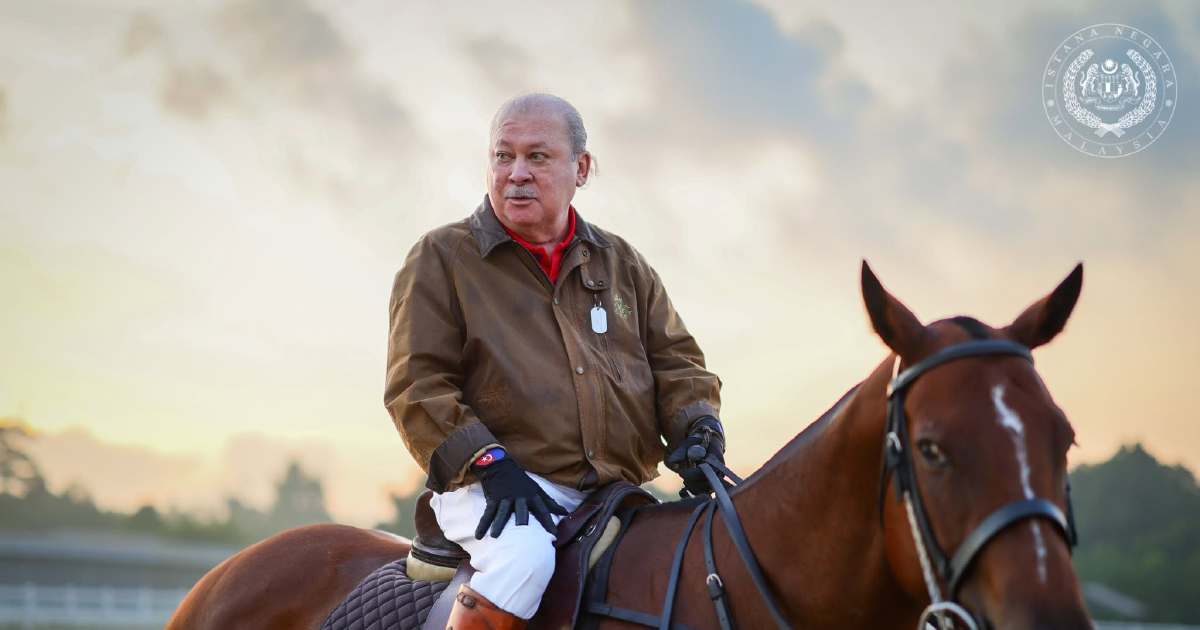
His Majesty Sultan Ibrahim, King of Malaysia, continued his established morning equestrian routine at the Royal Johor Polo Club located within the grounds of Istana Pasir Pelangi in Johor Baru. The riding session, conducted in a measured and composed manner, reflects the monarch's dedication to maintaining physical fitness despite the demanding nature of his constitutional duties and ceremonial obligations.
The preservation of such personal wellness practices underscores the importance placed by the Istana on the sovereign's health and vitality. Regular exercise regimens, particularly those involving horsemanship, have long been associated with both physical conditioning and mental wellbeing. For a reigning monarch navigating the complexities of governance and national representation, such disciplined routines provide both physiological benefits and a structured personal rhythm amid state responsibilities.
Johor's historical connection to equestrian traditions runs deep, with polo having been cultivated among the state's aristocracy for generations. The Royal Johor Polo Club stands as a testament to this heritage, serving not merely as a sporting venue but as an institution embedded within the state's cultural identity. That His Majesty chooses to practice his routine at this particular establishment carries symbolic weight, linking the contemporary monarchy to the state's rich traditions.
The tranquil setting of Istana Pasir Pelangi, the royal residence in Johor Baru, provides an appropriate backdrop for such personal activities. The estate's extensive grounds allow for private exercise away from public scrutiny, affording the King the necessary space to engage in fitness activities without disruption. This balance between public duty and private wellness is crucial for any national leader managing the pressures inherent to high office.
For Malaysian readers, the image of an active and engaged monarch carries particular resonance. In a region where many citizens associate leadership with ceremonial formality, glimpses of the King pursuing vigorous personal activities project vitality and commitment to self-care. This becomes especially significant given the advanced age and health considerations that often accompany high office in Southeast Asia.
The reporting of such routine activities may seem mundane to external observers, yet within the Malaysian context, these details serve important communicative functions. The Istana's willingness to share information about the King's daily activities demonstrates transparency and accessibility, reinforcing the modern constitutional monarchy's connection to its people. Citizens gain reassurance regarding their sovereign's health and engagement with life.
Regularly maintained fitness routines also carry practical implications for the performance of state duties. The energy and physical capability required to undertake numerous ceremonial functions, foreign engagements, and state visits demands sustained physical conditioning. A monarch who prioritizes personal wellness demonstrates readiness to fulfill the office's extensive demands.
Horsemanship itself carries particular cultural significance within the Malaysian royal tradition. The image of royalty in saddle connects contemporary governance to centuries of Malay sultanate history, during which equestrian prowess formed an essential component of both military capability and cultural prestige. This continuity with historical practice reinforces the legitimacy and cultural rootedness of Malaysia's constitutional monarchy.
The specificity of the location—the Royal Johor Polo Club—deserves attention given Johor's unique position within Malaysia's political framework. As the home state of the Sultan of Johor, who serves as King of Malaysia on a rotational basis within the Council of Rulers system, Johor holds particular constitutional significance. The King's presence and activities within this state carry additional meaning beyond mere personal wellness.
From a broader Southeast Asian perspective, the maintenance of such routines illustrates the normalcy and institutional stability that characterize Malaysia's constitutional monarchy. Unlike some regional peers facing governance challenges, Malaysia's established patterns of royal conduct and state administration project consistency and order. The regularity with which such activities are reported reflects institutional confidence and openness.
The calm and relaxed nature of the riding session, as noted in accounts of the visit, suggests a sovereign maintaining equilibrium despite the weight of office. In an era of constant crisis management and urgent decision-making across governments throughout the region, the King's measured approach to personal activity speaks to composed leadership.
Looking forward, such maintenance of personal routines becomes increasingly important as leadership demands intensify. Whether engaging with economic challenges, security concerns, or social cohesion issues facing the nation, the King's demonstrated commitment to personal wellness provides both a physical foundation and psychological resilience necessary for sustained service.
These glimpses into the King's daily life, while seemingly routine, ultimately reinforce the institutional strength and continuity that Malaysian governance depends upon. A healthy, engaged monarch actively participating in meaningful activity represents the kind of stable leadership that regional economic growth and social development require.