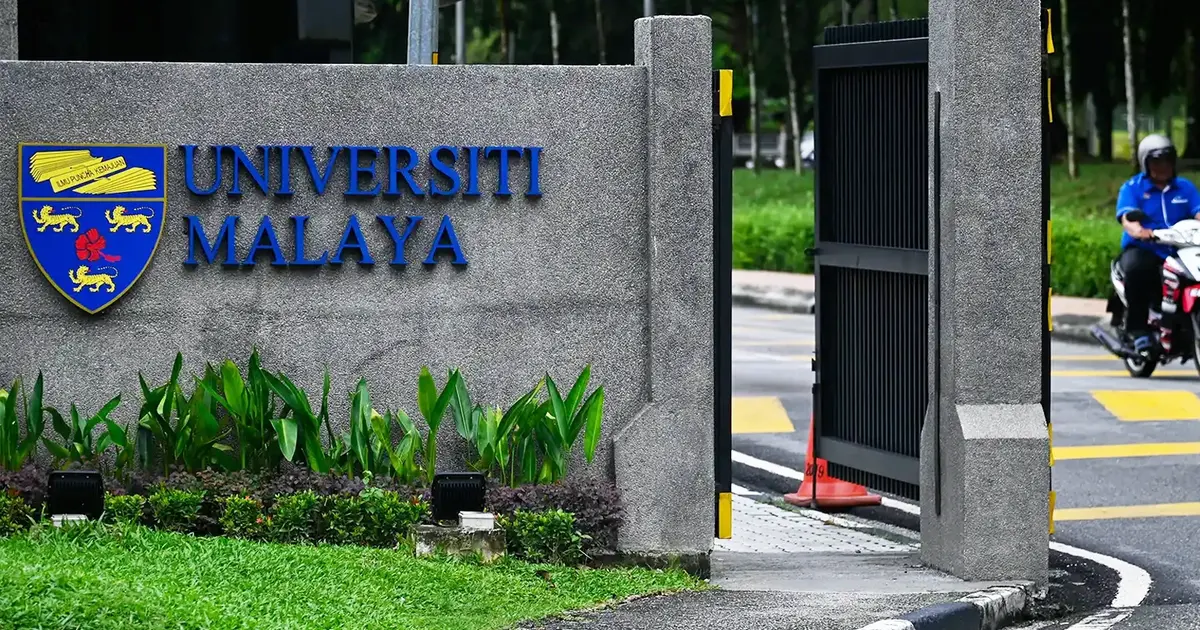
An activist student group at the University of Malaya has intensified calls for institutional transparency following what it characterises as an extended delay in releasing the findings of a sexual harassment investigation involving a senior academic. NewGen UM argues that the prolonged silence breaches the university's own commitment to accountability, particularly given public statements made about the investigation's progress.
The controversy centres on the university's previous announcement last September, in which officials indicated that their investigative process was approaching its final phase. This timeline suggested that a determination would materialise within a reasonable timeframe, setting expectations among the student body and broader campus community. However, months have elapsed without any formal disclosure of conclusions, prompting NewGen UM to question whether procedural complications or institutional reluctance may be responsible for the extended timeline.
The case underscores ongoing tensions at Malaysian universities regarding how they address misconduct allegations involving faculty members. While formal investigation processes necessarily require thoroughness and due process protections for all parties involved, the lack of public updates creates an information vacuum that can fuel speculation and erode institutional credibility. Students and concerned parties are left uncertain whether procedures remain genuinely active or whether the investigation has stalled.
NewGen UM's demands reflect broader student activism across Malaysian campuses regarding sexual harassment and gender-based misconduct. Over the past several years, student organisations have increasingly challenged what they perceive as insufficient institutional responses to complaints, pointing to lengthy delays, confidentiality protocols that they argue shield accused parties, and final outcomes that remain shrouded in secrecy. These groups contend that transparency serves multiple purposes: it demonstrates seriousness to potential victims, deters future misconduct through visible accountability, and allows institutions to learn from systemic gaps.
The University of Malaya, as Malaysia's oldest and most prominent research institution, carries particular weight in setting standards for how Malaysian higher education handles sensitive matters. Its approach to this case will likely influence expectations at other universities and may prompt comparisons with international best practices, where many institutions now publish annual reports documenting misconduct allegations and their outcomes while maintaining appropriate confidentiality protections.
From a victim advocacy perspective, delayed outcomes create distinct harms. Individuals who report harassment often experience frustration and a sense of abandonment when institutional processes stretch indefinitely. The psychological toll of waiting months or years for resolution, combined with the anxiety of remaining on campus with the accused party, frequently leads victims to withdraw from their studies or leave the institution entirely. NewGen UM's intervention signals recognition that delayed justice may be functionally equivalent to denied justice.
The institutional position faces several practical challenges, however. Formal investigations must afford accused parties due process rights, including opportunities to respond to allegations and challenge evidence. Rushing conclusions risks legal vulnerabilities that could expose universities to liability if decisions are later challenged. Additionally, confidentiality obligations to both complainants and respondents complicate public announcements. Yet these procedural realities do not necessarily require absolute silence; many institutions successfully balance confidentiality with periodic progress updates confirming that matters remain active.
The timing of this conflict also reflects a broader moment for Malaysian universities as they reckon with reputation and governance standards. International accreditation bodies increasingly scrutinise how institutions address misconduct, and prospective student populations—particularly international enrollees—pay attention to institutional safety and accountability records. Silence or perceived delays can damage recruitment and rankings. Conversely, demonstrated commitment to transparent processes, even when findings are unfavourable, strengthens institutional legitimacy.
NewGen UM's sustained pressure indicates that student activism on this issue shows no signs of diminishing. If the University of Malaya continues without providing substantive updates or final disclosure, the group will likely escalate through public campaigns, media engagement, and potential solidarity with other campus organisations. This trajectory could force the institution's hand regardless of where investigations currently stand procedurally.
For the broader Malaysian higher education sector, this episode carries implications beyond a single university or investigation. It demonstrates that students increasingly expect institutional transparency and will organise collectively to demand accountability. Universities that hope to avoid similar conflicts may consider proactively developing clearer communication protocols about investigation timelines, establishing oversight mechanisms that prevent indefinite delays, and determining what information can be disclosed consistently with confidentiality obligations. The University of Malaya's next move—whether it issues a substantive update, commits to a disclosure timeline, or maintains current silence—will send signals that other institutions will interpret and potentially emulate.

