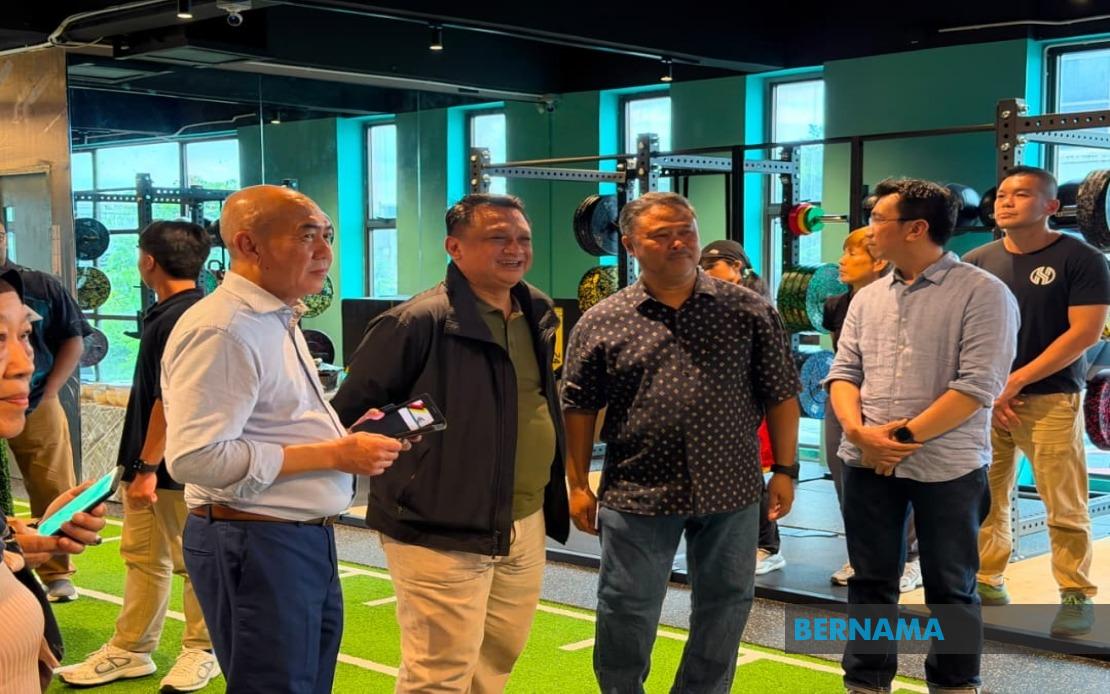
Malaysia's rapidly ageing population faces a public health challenge that remains largely underappreciated: the devastating consequences of falls and fractures among senior citizens. Dr Adibah Ali, owner of FitLab gymnasium in Kuching, is mounting an awareness campaign to highlight how systematic muscle-strength training can dramatically reduce these injuries and improve quality of life for older Malaysians. Speaking after receiving a royal visit from the Raja Muda of Perlis, Tuanku Syed Faizuddin Putra Jamalullail, she emphasised that despite Malaysia's demographic shift towards an older population, public understanding of preventive fitness measures remains dangerously low.
Drawing on more than two decades of clinical experience as a consultant breast and endocrine surgeon, Dr Adibah has witnessed firsthand the human cost of fall-related injuries. Throughout her hospital career, she observed countless elderly patients admitted with fractures stemming from falls, each incident representing not only acute medical trauma but often the beginning of functional decline and loss of independence. This prolonged exposure to preventable injuries motivated her to transition from clinical practice into community health advocacy, recognising that education and early intervention through proper exercise could spare many seniors from hospitalisation and lasting disability.
The benefits of targeted strength training for older adults extend far beyond simple injury prevention. Dr Adibah explained that appropriate muscle-strengthening programmes address the cascade of physiological changes that accompany ageing, particularly the natural loss of muscle mass and bone density that accelerates after age 50. By maintaining and building muscular strength, seniors preserve the neurological coordination and balance mechanisms essential for everyday safety. She was careful to distinguish between her message and common misconceptions, stressing that the objective is not to transform older people into bodybuilders but rather to maintain functional capacity through targeted conditioning.
The practical advantages manifest clearly in activities many take for granted. Climbing stairs, rising from seated positions, carrying shopping bags, and navigating uneven surfaces all demand sufficient muscular support and proprioceptive control. When these capabilities deteriorate, simple household tasks become hazardous, and seniors often curtail activities to avoid perceived risks, triggering a vicious cycle of further deconditioning. Dr Adibah's intervention philosophy focuses on interrupting this downward trajectory by rebuilding confidence alongside physical capability, allowing elderly individuals to maintain active engagement with daily life and community.
Recognising the opportunity to scale impact beyond individual consultations, FitLab has committed to developing specialised fitness classes tailored specifically for older adults. These programmes will address the particular needs and constraints of the elderly, incorporating appropriate progression, adequate rest, and exercise modifications for those with existing joint problems or other health conditions. The gymnasium is simultaneously exploring partnerships with Pusat Aktiviti Warga Emas (PAWE), the government's active ageing centres, positioning itself as both a private sector contributor and collaborator in the broader public health infrastructure supporting senior wellness.
Sarawak's Deputy Minister of Youth, Sports and Entrepreneur Development, Datuk Gerald Rentap Jabu, reinforced the policy imperative underpinning these initiatives. He noted that citizens aged 50 and above now constitute a substantial and expanding demographic segment within Sarawak's population, transforming elderly wellness from a niche concern into a mainstream policy priority. This demographic reality demands strategic resource allocation and coordinated programming across multiple government agencies and private sector partners to ensure equitable access to evidence-based interventions.
The Deputy Minister's remarks also highlighted a holistic conception of healthy ageing that extends beyond physical fitness. He advocated for programmes combining physical activity with cognitive stimulation, citing activities such as chess that maintain mental acuity while fostering social engagement. This integrated approach recognises that elderly wellbeing encompasses mental and emotional dimensions alongside physical health, and that group-based activities address isolation and psychological health challenges that frequently accompany ageing in modern societies.
For Malaysian policymakers and health professionals, Dr Adibah's advocacy presents a timely reminder of the preventive health paradigm's power. Falls represent one of the leading causes of injury-related death among seniors globally, yet many cases prove preventable through modifiable factors including strength, balance, and environmental safety. The cost-benefit analysis strongly favours investment in community-based prevention programmes, which prove significantly less expensive than managing acute hospitalisations, chronic post-injury complications, and long-term care placement resulting from preventable falls.
The royal visit itself symbolised governmental recognition of this emerging priority. The presence of the Raja Muda of Perlis, Tuanku Syed Faizuddin Putra Jamalullail, and his family at FitLab, followed by engagement with the 2026 World Rainforest Music Festival, illustrated how healthy ageing and cultural vitality intertwine in contemporary Malaysian society. Active senior citizens participate more fully in cultural events, community life, and family responsibilities, generating social returns that far exceed the modest investment required to maintain their physical capacity.
As Malaysia navigates demographic transition characteristic of upper-middle-income developing nations, the trajectory of elderly health outcomes will significantly influence healthcare system sustainability and social policy. Programmes embedding strength training within community infrastructure—whether through partnerships between commercial fitness providers like FitLab and government agencies like PAWE—offer scalable, cost-effective approaches to preserving senior independence and dignity. Dr Adibah's professional commitment to raising awareness represents precisely the kind of private sector leadership that complements government efforts and accelerates the cultural shift necessary for widespread adoption of preventive health practices among older Malaysians.

