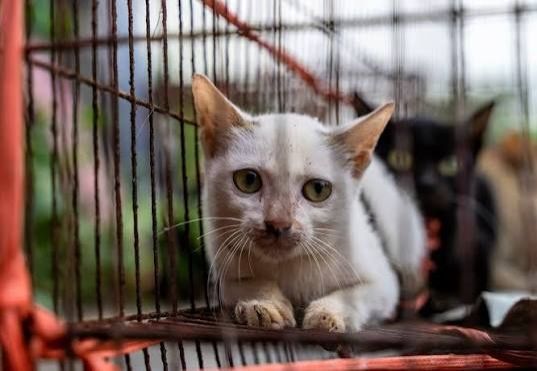
Police in Ho Chi Minh City have dealt a significant blow to an organized pet-theft operation, arresting nine individuals involved in stealing hundreds of cats destined for slaughter. The investigation, which concluded last week, uncovered what authorities describe as a structured criminal enterprise specializing in the systematic abduction and collection of felines across Vietnam's southern regions. This development marks a rare enforcement action against a trade that, while technically legal, has drawn increasing scrutiny from animal welfare organizations operating in Southeast Asia.
The scale of the operation revealed by authorities is startling. Officers recovered more than 400 living cats during raids, alongside 80 others already slaughtered and preserved on ice. An additional 21 felines were found at a separate facility linked to the operation. The sheer volume recovered suggests a highly organized trafficking network with significant commercial infrastructure in place, rather than isolated incidents of opportunistic theft. According to the Ho Chi Minh City police's official newspaper, the suspects had been engaged in this criminal enterprise for approximately three years, indicating how long such operations can persist before detection.
The investigation gained momentum after police responded to mounting complaints from Ho Chi Minh City residents about missing pets. Authorities trace the gang's activities across southern Vietnam, where the suspects employed deliberate methods to lure and trap unsuspecting animals. The confession from those arrested reveals a methodical approach to sourcing animals for what has become a controversial segment of Vietnam's food supply chain. For residents in the region, the successful prosecution offers some reassurance that law enforcement is taking pet theft seriously, though concerns remain about similar operations that may still be operating undetected.
Vietnam's legal framework permits the consumption of cat and dog meat, a practice that distinguishes it from many neighboring nations and Western countries where such consumption is culturally taboo or explicitly prohibited. Restaurants throughout the country openly market these products, and the trade operates with a degree of legitimacy in the formal economy. However, regulations do require vendors to present certificates documenting the origin of animals used in food preparation. The existence of such requirements suggests governmental acknowledgment that sourcing standards matter, yet enforcement of these regulations appears inconsistent, as evidenced by the apparent ease with which stolen pets entered the supply chain.
The investigation's success has provided at least partial relief to affected families. Humane World for Animals, an international organization monitoring animal welfare in the region, reported that more than 40 of the rescued cats have been returned to their owners. This reunion aspect carries particular significance in an urban environment where pet ownership represents a substantial emotional and financial investment for middle-class households. The act of reuniting stolen animals with families underscores the broader social impact of such criminal enterprises, which extend beyond the animals themselves to cause genuine distress to pet owners whose companions vanish without explanation.
However, the rescue operation has revealed the traumatic toll of trafficking on the animals involved. Humane World for Animals noted that approximately 100 of the recovered cats subsequently died from the cumulative effects of their ordeal. This mortality figure reflects the stress, injuries, and health deterioration the animals endured during capture, transport, and detention in unsuitable conditions. The losses highlight how even successful law enforcement interventions cannot fully remedy the harm inflicted during trafficking operations, and underscore the critical importance of prevention rather than post-facto rescue.
The organizational response to the rescue has exposed significant welfare challenges in managing the recovered animals. Humane World for Animals has expressed ongoing concern about roughly 100 cats still held at the police station, where they remain as evidence for the prosecution of the nine arrested suspects. This evidentiary holding period creates an extended limbo for animals already traumatized by their experience. The organization has taken practical steps to improve conditions, providing supplementary food supplies and arranging for ventilation equipment to prevent heat stress in Ho Chi Minh City's tropical climate. These interventions demonstrate how animal welfare organizations must engage in operational support when government facilities lack adequate provisions for large numbers of confiscated animals.
The case carries broader implications for Southeast Asia's approach to informal and semi-formal food supply chains. While dog and cat meat consumption is legal in Vietnam, the parallel operation of theft rings to supply this market reveals a critical gap between the regulatory framework and enforcement mechanisms. The stolen pets entering the supply chain undermines the legitimacy of any certification or origin-verification system that may exist on paper. For other Southeast Asian nations considering their own policies on animal trade and consumption, Vietnam's experience suggests that legal frameworks must be paired with robust enforcement and meaningful penalties to prevent criminal exploitation of regulatory loopholes.
The nine arrested individuals now face prosecution, though the specific charges and anticipated sentences remain unclear from available statements. The successful police operation reflects institutional willingness to investigate animal crimes, a positive indicator for future enforcement. Nevertheless, animal welfare advocates recognize that dismantling a single trafficking ring, however significant, represents only a partial solution to a larger systemic problem. The ease with which this criminal enterprise operated for three years suggests that many similar operations may continue undetected across Vietnam and other regional countries where enforcement resources remain limited and animal welfare remains a lower enforcement priority than other crime categories.