A high-ranking executive from a major statutory body is set to defend himself against multiple corruption allegations stemming from his alleged involvement in a complex bribery scheme centred on sports facility development projects. The CEO faces seven separate graft charges at the Sessions Court today, with prosecutors alleging that he solicited and accepted bribes exceeding RM1 million across a series of transactions.
The charges represent a significant development in Malaysia's continuing efforts to combat corruption within the government sector. Statutory bodies—government-linked organisations that operate semi-autonomously to deliver public services—have been subject to increased scrutiny in recent years following high-profile corruption cases. These institutions handle substantial public funds and manage major infrastructure projects, making them particularly vulnerable to malfeasance when governance safeguards are compromised. The involvement of a chief executive officer, typically the highest operational authority within such an organisation, underscores the gravity of the allegations and the potential systemic weaknesses that may have enabled the misconduct.
The specifics of the bribery scheme reportedly involved arrangements surrounding sports facility contracts. Sports infrastructure projects frequently command large budgets, particularly in Malaysia where the government has invested significantly in developing world-class facilities to enhance the nation's sporting reputation and capacity. These projects also attract substantial interest from contractors and suppliers, creating environments where corrupt arrangements can flourish if proper oversight mechanisms are absent or circumvented. The alleged bribes amounting to over RM1 million suggest a coordinated pattern of illicit payments rather than isolated instances of impropriety.
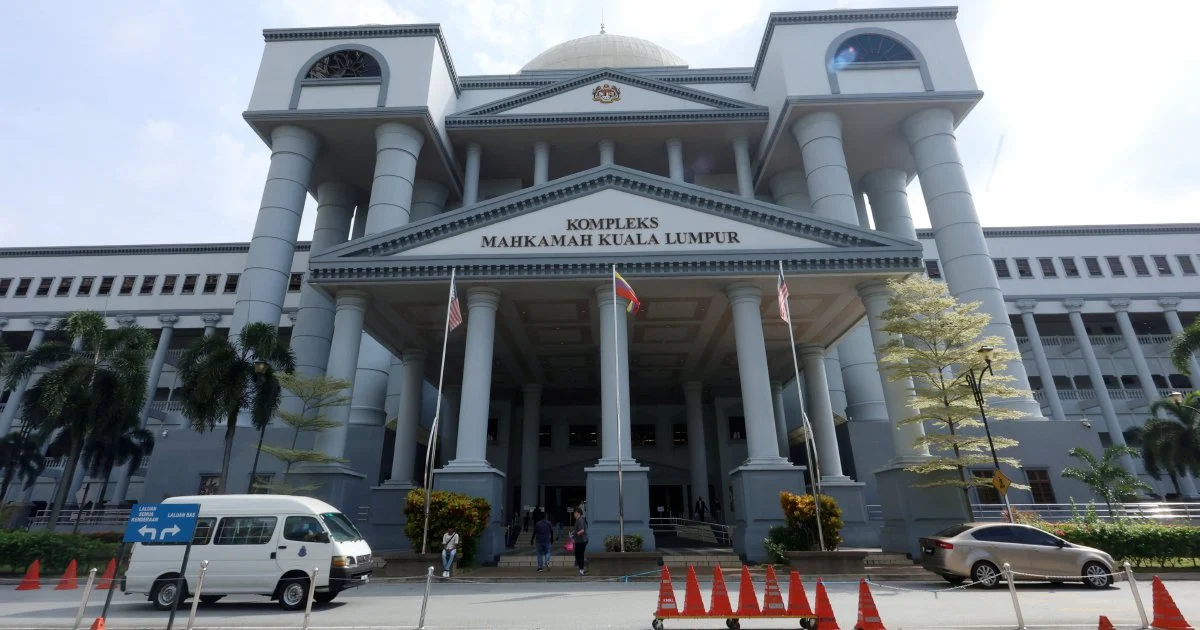
The fact that charges have reached the Sessions Court stage indicates that investigating authorities—likely the Malaysian Anti-Corruption Commission (MACC)—have compiled sufficient evidence to proceed with formal prosecution. This progression through the judicial system reflects the MACC's commitment to pursuing high-level corruption cases regardless of the accused's position or the complexity of the allegations. The multi-count nature of the charges, with seven separate counts, demonstrates that prosecutors believe they can establish distinct instances of corruption rather than treating the matter as a single overarching scheme.
For the broader corporate governance landscape in Malaysia, this case serves as a reminder that accountability mechanisms, while imperfect, are functioning in principle. However, the very fact that such schemes allegedly developed suggests that statutory bodies may require additional layers of internal control, audit oversight, and transparency measures. The centralisation of procurement authority in the hands of senior executives without adequate checks and balances can create conditions where personal enrichment becomes possible.
The implications extend beyond the individual defendant to questions about the institutional culture within his organisation. How were such allegedly substantial payments made without triggering internal audit flags? Were there complaints or whistleblower reports that were not properly investigated? These institutional questions will be closely examined by other statutory bodies seeking to reinforce their own governance frameworks and prevent similar situations from developing.
From a regional perspective, Malaysia's pursuit of such high-profile corruption cases positions the nation as relatively proactive within Southeast Asia in addressing public sector graft. Countries across the region struggle with corruption, but having visible prosecution of senior officials sends a deterrent message to others in positions of influence. The case also reflects the professional independence of Malaysia's judiciary and anti-corruption institutions, which continue to process cases regardless of political considerations.
The accused will have the opportunity to present his defence through Malaysia's legal process, where the burden of proof remains with the prosecution. The Sessions Court proceedings will provide a public examination of the evidence, though detailed court documents and testimony may reveal additional insights into how such a scheme allegedly functioned. Sports facility contracts frequently involve complex arrangements with multiple vendors and consultants, potentially creating numerous opportunities for illicit financial flows if proper segregation of duties is absent.
The timing of the case also reflects the evolving approach to corruption prosecution in Malaysia. Rather than treating such matters as administrative issues to be resolved internally, the criminal justice system is being mobilised to pursue accountability. This approach aligns with international standards for anti-corruption enforcement and demonstrates that statutory bodies are not immune from the rigorous scrutiny applied to private sector entities and other government agencies.
As the Sessions Court prepares to hear the charges, the outcome will have significance for corporate governance standards across Malaysia's statutory body sector. A conviction would reinforce the message that senior executives who abuse their authority for personal gain face serious legal consequences. Conversely, the proceedings themselves will illuminate for other organisations the specific mechanics of how such schemes develop and the vulnerabilities they expose. The case exemplifies the ongoing tension between Malaysia's governance aspirations and the institutional weaknesses that occasionally undermine them, particularly when individual actors prioritise personal enrichment over public trust and transparency in managing public resources.