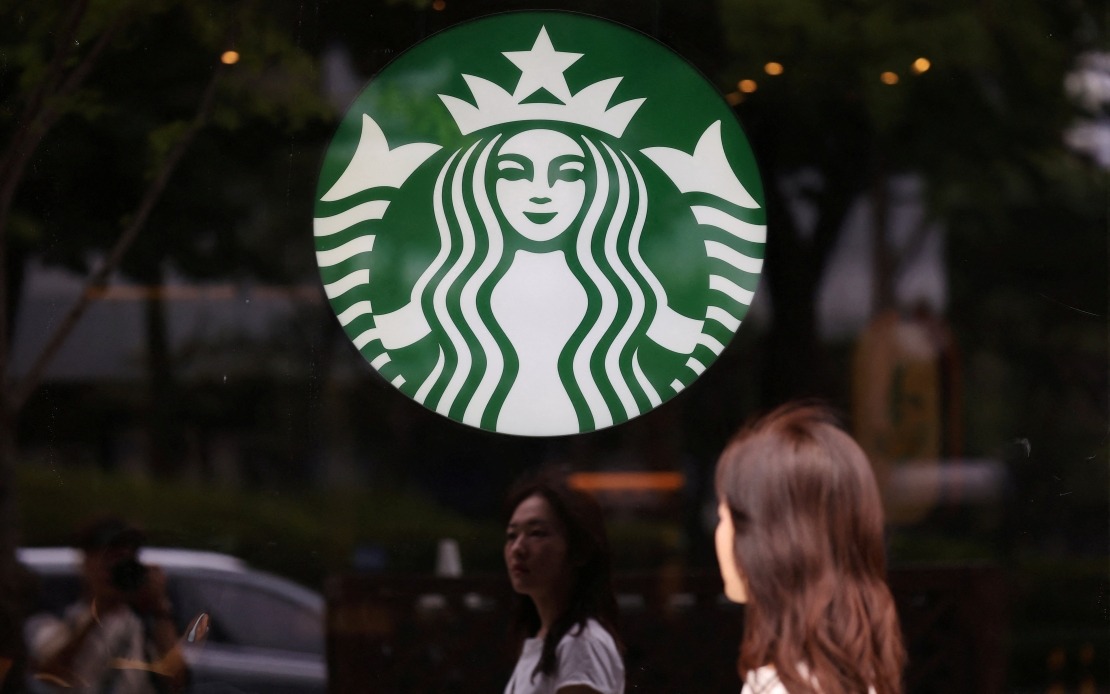
Starbucks took the unusual step of closing all 2,000-plus outlets across South Korea on Monday afternoon, requiring the entire workforce to participate in mandatory historical education. The dramatic move represents a corporate attempt to address the fallout from a marketing catastrophe that has drawn fierce public condemnation and calls for boycotts, underscoring how corporate missteps can rapidly escalate into significant reputational crises in an increasingly connected marketplace.
Shinsegae, the South Korean retail conglomerate holding the franchise licence for Starbucks operations in the country, had launched a campaign promoting a stainless steel thermos branded the "SS Tank" and designated May 18 as "Tank Day" to celebrate the product. What the company apparently failed to consider—or deliberately overlooked—was the deeply traumatic historical significance of that exact date for millions of South Koreans. On May 18, 1980, the authoritarian military government deployed armoured tanks to brutally suppress a pro-democracy uprising in Gwangju, an event that left several hundred dead and became one of the nation's most sensitive historical wounds.
The public reaction was swift and devastating. Social media erupted with expressions of outrage and disbelief that a major retailer could be so tone-deaf to national trauma. Citizens rapidly organised boycott campaigns, and the reputational damage accumulated quickly enough that Shinsegae pulled the campaign within hours of its launch. The incident became a flashpoint for discussions about corporate responsibility and the expectations placed on multinational brands operating in markets with complex historical narratives.
While the ambiguous "SS" abbreviation—which technically referred to stainless steel in this context but also invokes dark associations with Nazi Germany's paramilitary forces—generated some secondary criticism, the primary controversy centred on the insensitive coupling of a consumer product with a day of national mourning and historical atrocity. For South Koreans, the Gwangju Uprising remains a potent reminder of the country's struggle for democracy and the sacrifices made by ordinary citizens against authoritarian rule.
The incident drew rebuke from the highest levels of government. President Lee Jae Myung publicly expressed his displeasure on social media platform X, stating he was "furious at the inhumane behaviour of such businesspeople." His intervention elevated the scandal from a corporate PR disaster into a matter of national concern, signalling that such lapses in historical awareness would not be tolerated.
Shinsegae responded with a formal apology and moved quickly to dismiss the executive reportedly responsible for approving the campaign. Following an internal investigation, the company issued a statement asserting it had no intention of disrespecting victims of the democracy movement, framing the error as an unintentional oversight rather than deliberate malice. Whether this explanation satisfied the public remained uncertain, but the company's swift personnel action suggested serious consequences for the decision-makers involved.
The mandatory training session for all Starbucks employees represented an escalation of the company's damage-control strategy. By closing every store simultaneously and requiring staff participation in a history lesson, Shinsegae signalled to the public that it was taking the matter with utmost gravity. The move also served an internal function: educating the workforce about historical sensitivities and ensuring that similar missteps would be prevented in the future. For employees, the unexpected closure and mandatory training sent a clear message about corporate accountability and the importance of cultural and historical awareness in a globalized business environment.
Southern police authorities have launched their own investigation into the circumstances surrounding the campaign's conception and approval. This police involvement indicates that the controversy extends beyond corporate reputation management into potential legal territory, though the precise charges or allegations being examined remain unclear. The fact that law enforcement deemed the matter worthy of investigation underscores the seriousness with which South Korean authorities treat historical sensitivity, particularly regarding events as significant as the Gwangju Uprising.
For regional observers and international brands operating across Asia-Pacific markets, the Starbucks-Shinsegae incident serves as a cautionary tale about the necessity of thorough historical and cultural due diligence before launching campaigns. Each country in the region harbours specific historical sensitivities and contested commemorative dates that require careful navigation. What might seem like an innocuous marketing angle in one context can become deeply offensive when viewed through the lens of local history and collective memory. Companies that fail to conduct adequate background research on campaign timing and messaging risk not only financial penalties through boycotts but also long-term reputational damage that can take years to recover from.
The incident also highlights broader questions about corporate responsibility in shaping public discourse and collective memory. As businesses increasingly use marketing campaigns to engage consumers, they simultaneously bear heightened responsibility to ensure their messages do not trivialize historical trauma or demonstrate ignorance of the societies in which they operate. In South Korea's case, the Gwangju Uprising remains taught in schools and observed through commemorations, making it core knowledge that any company operating in the market should reasonably be expected to understand.
Looking forward, the mandatory training initiative may establish a precedent for how corporations respond to historical sensitivity breaches. Rather than treating such incidents as isolated PR problems requiring public statements and personnel changes, companies might increasingly adopt systematic educational programmes to prevent recurrence. For Starbucks Korea specifically, the challenge ahead involves rebuilding consumer trust and demonstrating through sustained action that the company has genuinely internalized the lessons from this controversy.

