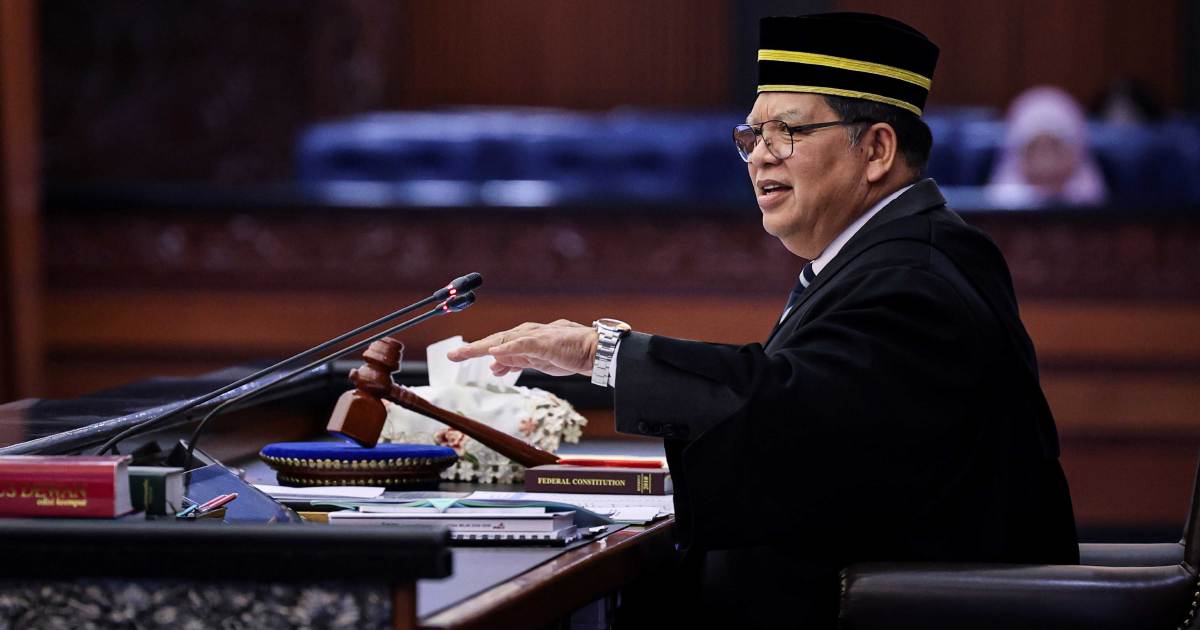
Dewan Rakyat Speaker Tan Sri Johari Abdul has issued a direct appeal to members of parliament, reminding them of their fundamental obligation to attend legislative sittings except when circumstances genuinely warrant their absence. The admonishment reflects growing concerns about parliamentary attendance standards and the need to uphold the credibility of Malaysia's legislative institution.
Parliamentary attendance constitutes a core responsibility for elected representatives across democratic systems, and Malaysia's chamber is no exception. Members who accept the privilege of holding office assume implicit accountability to their constituents and the nation to participate actively in legislative deliberations. When MPs absent themselves without justification, they undermine not only the effectiveness of parliamentary proceedings but also the public trust in their commitment to their duties.
The Speaker's intervention carries particular weight given his constitutional role as guardian of parliamentary procedure and decorum. His reminders serve as periodic reinforcement that attendance expectations remain non-negotiable irrespective of political allegiances or personal circumstances. This neutral stance underscores the principle that parliamentary responsibility transcends partisan considerations.
Malaysian parliamentary culture has historically emphasised the importance of member participation in committee work, debate sessions, and voting procedures. The physical presence of MPs during these proceedings remains essential to democratic legitimacy, even as technology has created alternative forms of engagement. When legislators simply skip sessions, they signal potential indifference towards their mandates and diminish the representative character of parliament itself.
Various mechanisms already exist within parliamentary rules to accommodate genuine hardship cases. Members facing health emergencies, official government duties, or family crises can request leave or register their absence through proper channels. The Speaker's warning therefore targets those who bypass these legitimate procedures entirely, treating parliamentary attendance as optional rather than binding.
The frequency of such reminders suggests that attendance lapses remain recurring issues within the chamber. Whether attributable to competing commitments, transportation difficulties, or deliberate negligence, persistent absenteeism creates practical operational challenges. Quorum requirements exist partly to ensure that legislative decisions reflect adequate representation, and excessive absences threaten to compromise this foundation.
For Malaysian readers and particularly those in constituencies affected by poor parliamentary representation, this reminder carries direct implications. Constituents expect their elected representatives to remain actively engaged in national decision-making processes. When MPs consistently skip sittings, they forfeit opportunities to voice their communities' concerns, participate in critical debates, and influence policy outcomes that affect their electorate.
From a Southeast Asian perspective, Malaysia's parliamentary system continues evolving within a regional context where legislative standards and institutional credibility matter significantly. Neighbouring democracies navigate similar challenges regarding member engagement and attendance discipline. Strong parliamentary cultures depend fundamentally on members taking their attendance obligations seriously and respecting the institution's importance.
The Speaker's statement also reflects broader institutional concerns about parliamentary effectiveness and public perception. Each poorly attended session potentially diminishes the chamber's legitimacy in the eyes of citizens who increasingly scrutinise their representatives' performance. High-profile absences, whether explained or not, generate public commentary and undermine confidence in the legislature's capacity to function as a serious institution of governance.
Enforcement mechanisms exist within parliamentary standing orders to address persistent offenders, though applying such measures requires careful consideration of procedural fairness. The Speaker's approach of issuing clear reminders represents a preliminary step emphasising shared responsibility among all members for maintaining attendance standards.
Moving forward, addressing attendance culture may require multi-faceted approaches. This could include examining whether parliamentary sitting schedules accommodate legitimate competing demands on MPs' time, whether notice procedures allow adequate preparation, and whether technological options might supplement rather than replace physical attendance. However, such accommodations cannot substitute for fundamental expectations that elected representatives prioritise their parliamentary obligations.
Ultimately, Tan Sri Johari's reminder serves constituencies across the nation, reinforcing that parliamentary membership entails real responsibilities. Citizens who invested their votes in electing these representatives deserve dedicated legislators committed to attending and participating in the legislative process. The Speaker's intervention reaffirms that parliamentary attendance represents not a discretionary convenience but a fundamental duty inherent in democratic representation.

