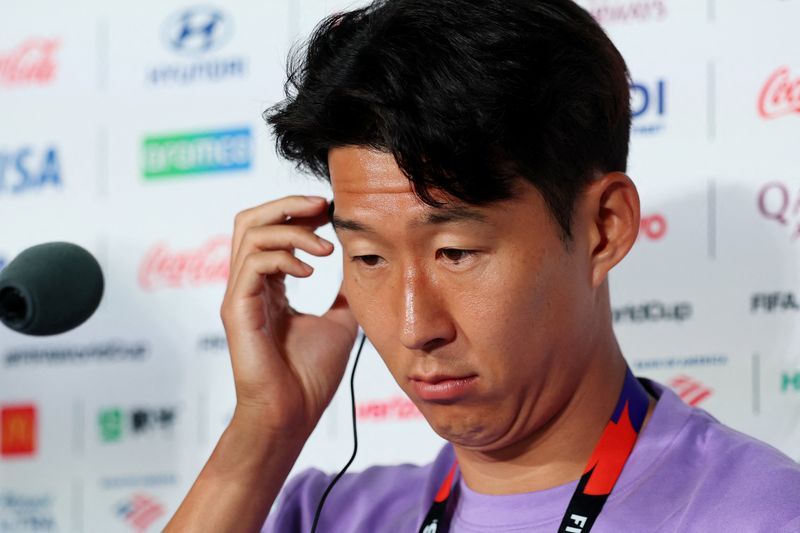
South Korea's national football team has withdrawn from scheduled media engagements at the World Cup following an incident involving journalists who were caught on an open microphone making disparaging comments about captain Son Heung-min's military service. The boycott represents an unusual moment of tension between the squad and the domestic media establishment, driven by what the Korea Football Association described as deeply inappropriate remarks made during the team's training sessions at their Guadalajara base camp.
The controversy centres on Son, the 33-year-old Tottenham Hotspur forward and captain, who had been training separately from the main group when reporters allegedly ridiculed his completion of mandatory military service. The incident was captured on an unintended open microphone, exposing remarks that the footballers and their officials found offensive enough to justify collective action. The decision to boycott media duties reflects the squad's frustration with what they view as a lack of respect for their commitment and sacrifice.
Military service remains one of South Korea's most sensitive national issues. Every able-bodied male citizen is required to complete approximately 21 months of mandatory service, a system designed to maintain military readiness against North Korea. This obligation affects virtually every man in the country, making it a shared societal experience that carries significant weight in Korean culture and national identity. For athletes, the prospect of interrupting their professional careers for extended military service presents a genuine hardship that can impact their sporting longevity and earning potential.
However, the system does provide relief for exceptional achievers. Athletes who win gold medals at the Asian Games or secure Olympic medals earn exemptions from the full military service requirement. Son and his teammates secured this benefit when South Korea captured the gold medal at the 2018 Asian Games, sparing them from the lengthy conscription that would otherwise have been unavoidable. This exemption, while generous, does not eliminate all military obligations for these athletes.
Son himself completed a compressed three-week basic military training programme in South Korea in 2020, undertaken during a period when the Premier League had suspended operations due to the COVID-19 pandemic. The training was rigorous, involving exposure to tear gas, live-fire exercises, and extended marches covering 30 kilometres. Although substantially shorter and less demanding than full conscription, this training still represented a significant interruption to his professional preparation and demonstrated his commitment to fulfilling his national duties.
The Korea Football Association responded swiftly to the incident with an official statement expressing regret over the reporters' conduct. The organisation emphasised that the squad had approached their World Cup campaign with genuine dedication and responsibility, seeking to honour the expectations and support of the South Korean people. The team's leadership expressed their shock and disappointment at the leaked recordings of inappropriate conversations, characterising the incident as damaging to team morale during a crucial international competition.
The federation called upon media outlets to demonstrate greater sensitivity and maintain higher professional standards when covering the national team. Officials stressed their commitment to protecting the squad's wellbeing and working to establish a more respectful relationship between journalists and athletes. This appeal reflected broader concerns about media conduct and the pressure placed on international football teams during major tournaments.
Despite the team's boycott of voluntary media appearances, FIFA's tournament regulations require the squad to participate in certain mandatory media obligations. The federation must balance the players' justified grievance against their international responsibilities, creating a situation where some media engagement will continue even as the team expresses its displeasure. This constraint highlights the complicated relationship between national football associations, their players, and the global media structures that govern professional football.
The incident also reveals broader tensions within South Korean society regarding military service. While conscription remains a point of national pride and necessity for security purposes, the public discourse around it has become increasingly nuanced. Questions about fairness, the treatment of military service as a national obligation versus a burden, and the ways in which society recognises or dismisses individual contributions to this duty all come into play when incidents like this occur.
For Malaysian and Southeast Asian observers, the situation underscores how deeply rooted national security concerns shape sporting cultures in the region. South Korea's military service system, while unique in its specifics, reflects the existential security challenges faced by nations on the front lines of international tensions. The athletes' reaction demonstrates how personal sacrifice and national obligation intersect with professional ambitions in ways that differ substantially from the experience of players in most other countries.
The squad's boycott, though limited in scope, signals a breaking point in player tolerance for what they perceive as disrespectful media treatment. In an era when athlete wellbeing and mental health receive increasing attention, the incident highlights how external pressures and lack of respect from home media can affect team cohesion and morale during critical competitions. The Korea Football Association's strong stance in support of its players suggests a broader shift toward prioritising squad welfare over traditional media access.
Looking forward, the situation serves as a cautionary reminder about professionalism and ethics in sports journalism. As the World Cup unfolds, the incident may prompt broader conversations within South Korean media circles about appropriate coverage of national teams and the boundaries of acceptable commentary. The federation's commitment to establishing a healthier media environment suggests this may not be simply a temporary controversy but rather a catalyst for longer-term changes in how domestic media engages with international football.