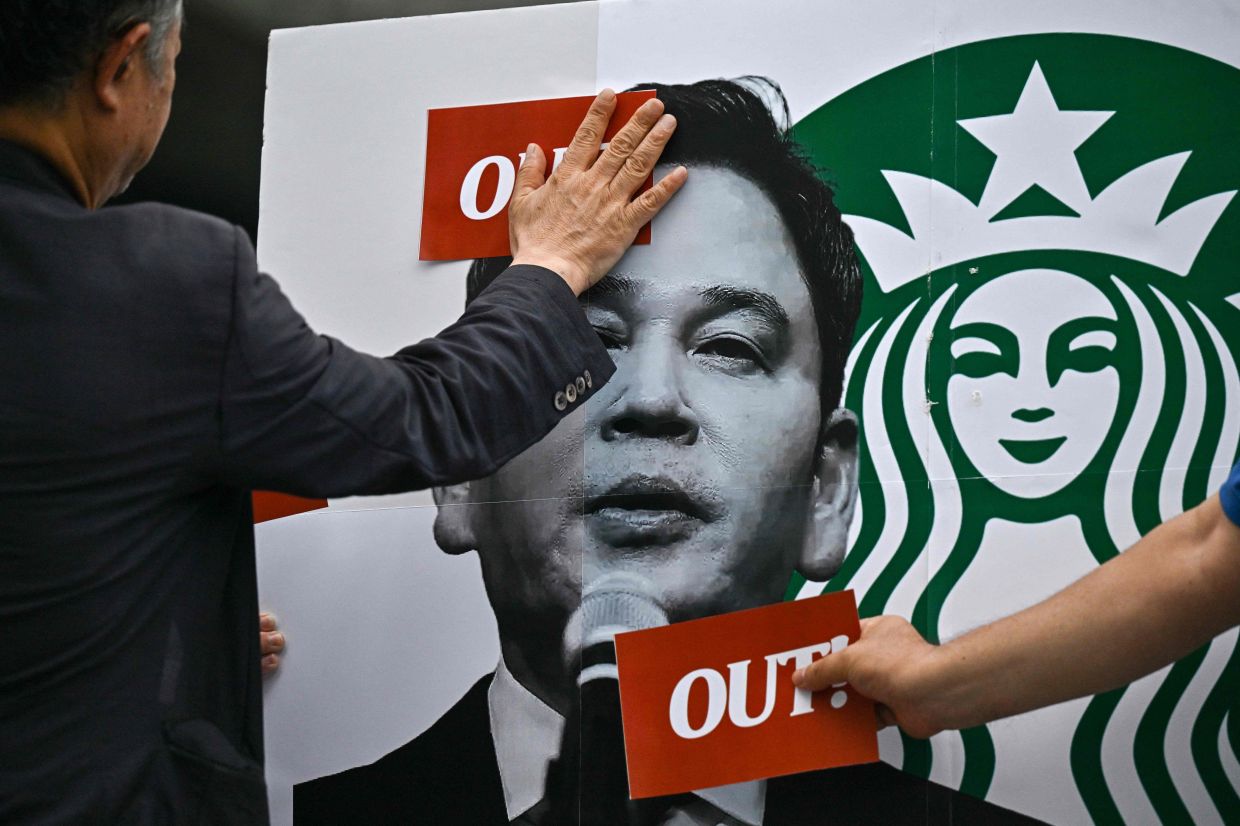
South Korean police have begun questioning executives of Shinsegae Group, the operator of Starbucks Korea, as part of an investigation into a promotional campaign that sparked national controversy by coinciding with a memorial date tied to one of the country's darkest chapters. The Seoul Metropolitan Police Agency summoned Yang Jong-hwan, head of Shinsegae Group's audit team, for questioning on Wednesday as investigators delve into what many have characterised as a catastrophic lapse in corporate judgment and historical sensitivity.
The bungled "Tank Day" promotion, which centred on a reusable cup campaign, was scheduled for May 18—a date of profound significance in South Korea that marks the anniversary of the Gwangju uprising, a pro-democracy movement brutally suppressed in 1980 with at least 165 civilian deaths according to official records, though many scholars and civil society groups contend the actual toll was substantially higher. The choice of date for the campaign, which Starbucks Korea operates through a licensing agreement with Shinsegae Group across more than 2,000 locations nationwide, created an immediate and intense backlash that reverberated through social media and traditional news outlets alike.
The fallout was swift and severe. Shinsegae Group terminated its Korea chief executive on the very day the scandal erupted, attempting to contain reputational damage through what many viewed as a symbolic gesture. The group's chairman Chung Yong-jin subsequently made a public apology, acknowledging the gravity of the misstep. However, these immediate damage-control measures proved insufficient to quell public anger, as civic organisations began mobilising legal remedies against the company's leadership.
A complaint filed by a civic group against Chung and several other senior executives invoked South Korea's 2016 legislation governing discourse around the 1980 crackdown, which includes provisions prohibiting the deliberate dissemination of false or misleading information about the pro-democracy movement. The complaint also levelled additional charges of defamation and insult, potentially exposing executives to both civil and criminal liability. The decision to pursue formal legal action underscores the enduring sensitivity surrounding the Gwangju uprising in South Korean society and the expectation that corporate entities will demonstrate appropriate historical awareness.
Investigations by Shinsegae Group itself into how such a lapse occurred revealed a disturbing chain of negligence within the company's approval processes. Internal documentation showed that multiple officials had signed off on the promotional campaign materials without conducting basic due diligence regarding the calendar date or the historical significance of May 18. This systemic failure to implement basic oversight mechanisms has raised broader questions about corporate governance standards and the adequacy of institutional safeguards against similar incidents in the future.
The scandal triggered public demonstrations in both Seoul and Gwangju, with protesters expressing dismay at what they perceived as institutional indifference to historical memory. Economic consequences quickly materialised, with Starbucks Korea reporting what company officials characterised as a "sharp decline in sales" during the immediate aftermath of the controversy. The commercial impact highlighted the tangible cost of such missteps in a market where corporate reputation remains closely linked to public trust and cultural sensitivity.
In response to the reputational crisis, Starbucks Korea has announced compensatory educational measures designed to signal institutional learning and respect for historical memory. Beginning the following Monday, all Starbucks stores across the country will close for half a day to allow staff to participate in structured historical education focused on the 1980 crackdown. Shinsegae's senior leadership, including the group chairman, will undertake similar historical instruction two days later, a gesture intended to demonstrate that the company takes the matter seriously and recognises the need for enhanced awareness among decision-makers.
The incident carries particular weight given South Korea's position as one of the world's largest coffee markets and Starbucks' significant commercial footprint in the region. As the American coffee chain's third-largest market globally after the United States and China, South Korea represents a crucial business environment where brand reputation and consumer trust directly influence market performance. The scandal thus extends beyond a single corporate controversy to touch on broader questions about how multinational companies operating in South Korea navigate the country's historical consciousness and collective memory.
President Lee Jae Myung weighed in on the controversy, characterising the promotional campaign as "inhumane and disgraceful conduct," lending presidential-level emphasis to public condemnation of the company's actions. This statement from the nation's top executive underscored the gravity with which the political establishment viewed the incident and reinforced societal expectations that corporations must demonstrate respect for historical memory in their operations.
As police continue their investigation and the legal process unfolds, the Tank Day scandal serves as a cautionary case study for multinational corporations and their local subsidiaries operating in markets with profound historical sensitivities. The incident highlights the necessity of robust internal compliance mechanisms, particularly regarding calendar-based promotional activities that might inadvertently intersect with dates of national significance. For regional businesses and international companies throughout Southeast Asia and beyond, the Starbucks Korea case underscores the importance of thorough cultural and historical vetting processes before launching public-facing campaigns.

