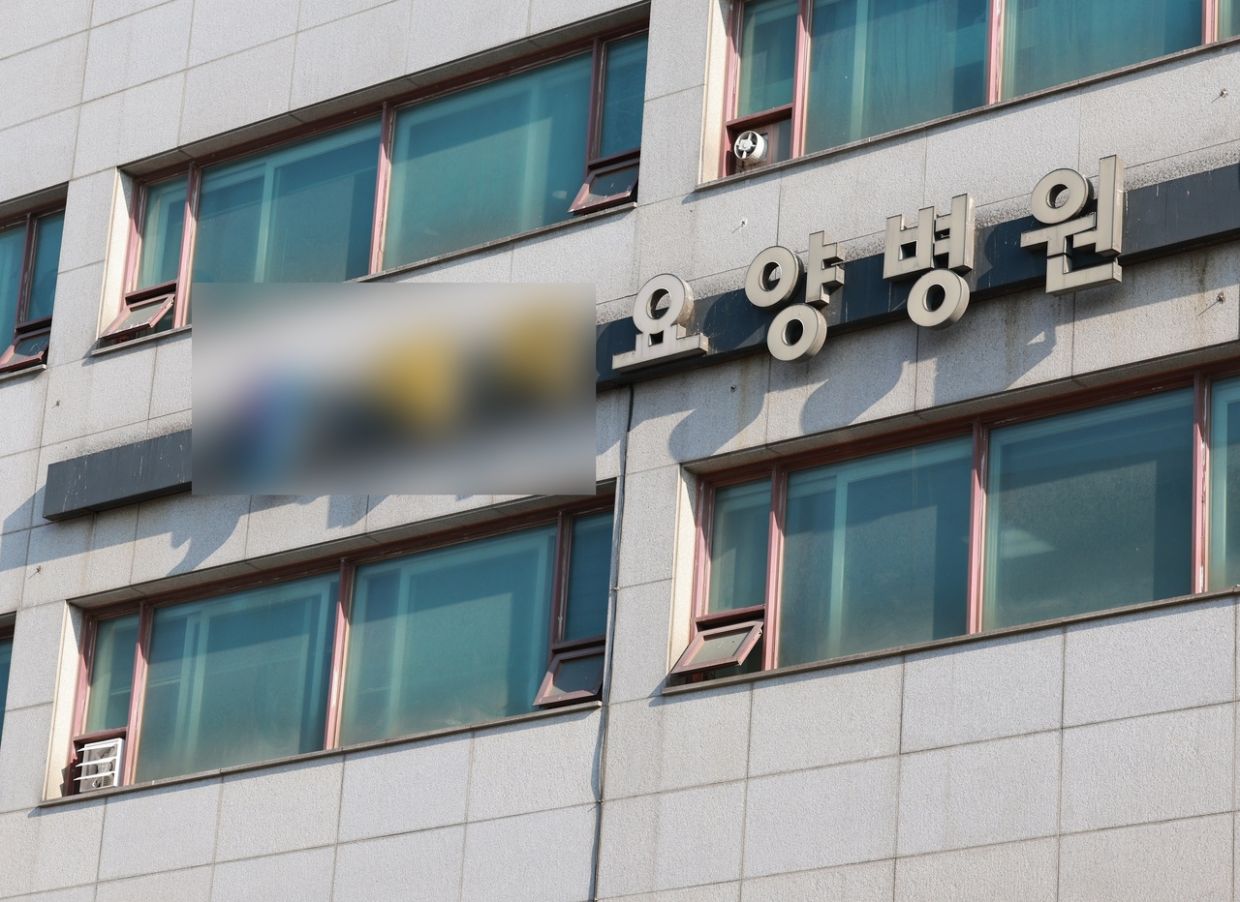
Incheon police have concluded their preliminary investigation into an extraordinary incident involving a human leg found at a recycling facility, determining that the limb was inadvertently thrown away by a local nursing hospital in Jung-gu rather than being the result of any criminal wrongdoing. The discovery, made on June 10 at the Southern Regional Resource Recovery Centre, set off alarms that prompted forensic analysis and a broader examination of the hospital's waste management procedures and medical practices.
The leg belonged to a woman in her 80s who had undergone an amputation at the nursing facility. According to investigators, the limb was initially categorised correctly as medical waste, but the classification proved meaningless when a cleaner in their 60s made a fateful decision. Believing the amputated leg to be part of a mannequin or training dummy, the staff member placed it with regular recyclable materials bound for the resource recovery centre. This critical error exposed significant gaps in the hospital's internal protocols for handling biohazardous materials.
National Forensic Service analysis confirmed the human origin of the discovered leg, leading police to contact the Jung-gu facility. Subsequently, DNA testing matched the limb to the patient's own genetic profile, establishing beyond doubt the source and identity of the remains. The confirmation came after the hospital voluntarily submitted a report to authorities two days before police made their public announcement, suggesting the institution recognised the gravity of the oversight and sought to cooperate with investigators.
While detectives ruled out foul play in the disposal, the incident has triggered multiple legal avenues of inquiry that could result in penalties for the hospital. South Korea's Wastes Control Act explicitly requires medical waste to be segregated and placed in government-designated containers rather than mixed with standard refuse. The law exists precisely to prevent situations where potentially infectious or hazardous biological materials contaminate recycling streams or landfills. Investigators are now examining whether the hospital adhered to these mandatory procedures in its waste management protocols.
Beyond the waste disposal violation, police are also reviewing whether the hospital followed proper procedures under the Medical Service Act governing the amputation itself. An allegation has emerged that the facility lacks the necessary equipment and infrastructure to legally perform amputation surgery, suggesting the operation may have been conducted outside regulatory requirements. However, police have refrained from making definitive statements on this matter, indicating the investigation into this aspect remains ongoing and requires consultation with medical authorities.
The situation reveals how elderly patients with declining health status navigate South Korea's healthcare system, particularly when facing admission barriers. According to testimony from the patient's family, the woman had been rejected by other hospitals due to her deteriorating condition before being admitted to the Jung-gu nursing facility. This context suggests the family may have felt limited options were available, though it does not absolve the institution of its responsibility to maintain proper medical and waste management standards.
Resolution of potential criminal charges remains uncertain as police work through the relevant legal framework. Officials stated they have not yet identified specific criminal penalties applicable under the Medical Service Act regarding the amputation procedures. Before reaching conclusions about potential prosecution, investigators plan to consult extensively with the Korean Medical Association, the Ministry of Health and Welfare, and legal experts to determine whether violations occurred and what consequences should follow.
For Southeast Asian readers and healthcare administrators, this incident underscores the importance of rigorous internal auditing and staff training in medical facilities, particularly regarding waste segregation. While such discoveries are rare, they highlight how human error and unclear communication between departments can create public health and legal risks. Many hospitals across the region operate under similar waste management regulations, making this case a cautionary reminder of enforcement gaps.
The case also illustrates how regulatory frameworks designed to protect public health can be undermined by insufficient implementation at facility level. The hospital's failure was not primarily legal in nature—the rules existed and were clear—but rather operational and cultural, reflecting inadequate training, supervision, or perhaps institutional indifference to compliance. For Malaysian healthcare facilities, the lesson extends beyond waste management to encompass the broader need for systematic checks, staff accountability, and clear hierarchies of responsibility.
This incident may prompt South Korean authorities to conduct broader audits of waste management practices across nursing homes and smaller medical facilities, which often operate with fewer resources and less regulatory oversight than larger teaching hospitals. The investigation outcomes could influence how medical waste regulations are enforced nationwide and whether additional safeguards are mandated. For regional policymakers monitoring healthcare governance, the case demonstrates that even developed nations encounter implementation challenges in medical waste management that require consistent institutional attention.

