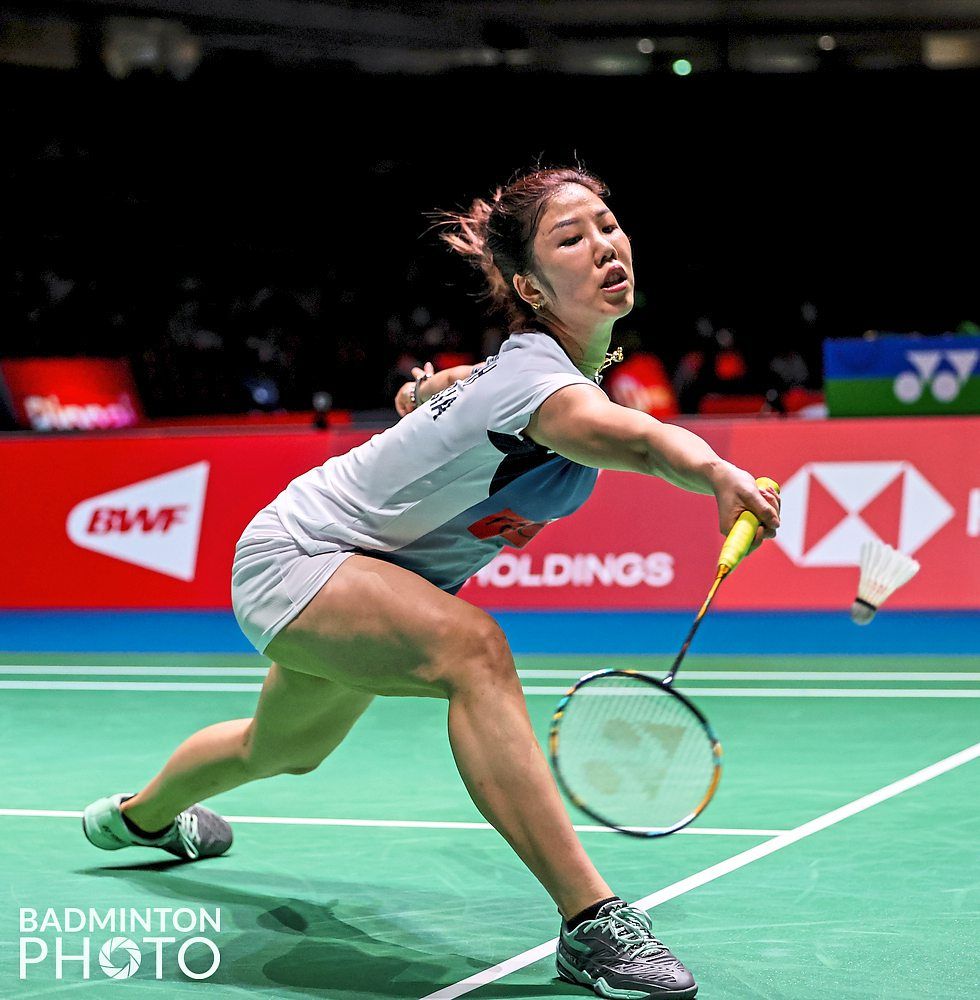
Soniia Cheah, the former national women's singles shuttler, has ended her tenure as sports director of the Kuala Lumpur Badminton Association after a brief stint of only four months. Her resignation took effect on Wednesday, marking an unexpected departure from a role she assumed in February on a one-year contract. The 33-year-old, who once held the position of Malaysia's No. 1 women's singles player and competed for the nation at the Tokyo Olympics, cited fundamental disagreements with certain organisational practices as the driving force behind her decision to step away from the position.
While Cheah declined to provide specific details regarding her resignation, she acknowledged that the choice had not been made lightly. In a statement to the media, she emphasised that her departure was not triggered by personal conflicts with any individual but rather reflected her unwillingness to compromise on matters of principle that she considers critical to the association's operations. The nature of these concerns remains undisclosed, though her emphasis on alignment with personal values suggests deeper structural or procedural issues within the KLBA that proved incompatible with her professional convictions.
Cheah articulated her position with measured language, explaining that as someone deeply invested in badminton's development, she found it untenable to continue serving in a capacity that would require abandoning her core beliefs. Her statement suggests that the role demanded tacit acceptance of practices or decisions she fundamentally disagreed with—a compromise she was ultimately unwilling to make despite holding such a prestigious position. This principled stand is noteworthy in the Malaysian sports context, where administrative positions are often maintained despite internal misgivings, particularly in the early stages of employment.
The former shuttler's final official engagement with the KLBA came at the Affin 100Plus Junior Elite Tour Finals held at Stadium Juara in Bukit Kiara the previous week. This competition marked the culmination of her work with the association's junior players, representing the last opportunity to directly influence the development of the next generation of badminton talent from the capital. Her departure removes a potentially valuable mentor figure from the junior coaching and development pipeline, particularly given her recent success as an elite player and her understanding of the challenges young athletes face.
Cheah's career trajectory lends considerable weight to her concerns about organisational governance and athlete welfare. Her journey as Malaysia's top women's singles player provided her with intimate knowledge of the support systems—or lack thereof—that elite athletes require to perform at the highest level. Having represented the country at the Olympics, she brings a perspective informed by international sporting standards and best practices, benchmarks that may have informed her judgments about the KLBA's current operations.
The retired shuttler's decision to retire in 2022 following a prolonged battle with a recurring Achilles tendon injury underscores her understanding of athlete health management and recovery protocols. Such a debilitating injury, particularly in badminton where explosive footwork is fundamental, requires comprehensive medical support and strategic career planning. Her personal experience with managing serious injury may have sensitised her to questions surrounding athlete care and support infrastructure within the association, potentially informing her concerns about the KLBA's operational practices.
Despite her brief tenure, Cheah expressed appreciation for the players she collaborated with during her time as sports director. This measured gratitude suggests that her reservations lay with institutional practices or administrative decisions rather than with the athletes themselves. Her decision to publicly step down, combined with her statement suggesting that the resignation should prompt the association to reflect on its practices, indicates a deliberate effort to use her departure as a catalyst for change within the organisation.
The timing of Cheah's exit raises questions about the effectiveness of governance structures within the KLBA and the receptiveness of leadership to staff concerns. The appointment of a former elite athlete to a administrative role typically reflects an intention to inject fresh perspectives and elevate professional standards. However, the rapid departure after just four months suggests that internal resistance to proposed changes or existing practices proved insurmountable from within the system.
For Malaysian badminton more broadly, the situation highlights tensions that may exist across various badminton bodies regarding administrative standards, athlete welfare prioritisation, and alignment between official policies and actual practices. Cheah's resignation serves as a subtle but significant indicator that credibility gaps exist in some quarters of the country's badminton governance structures. Her willingness to forfeit a prestigious one-year contract rather than compromise her principles demonstrates the seriousness of her concerns and may embolden other professionals to examine their own positions within Malaysia's sporting organisations.

