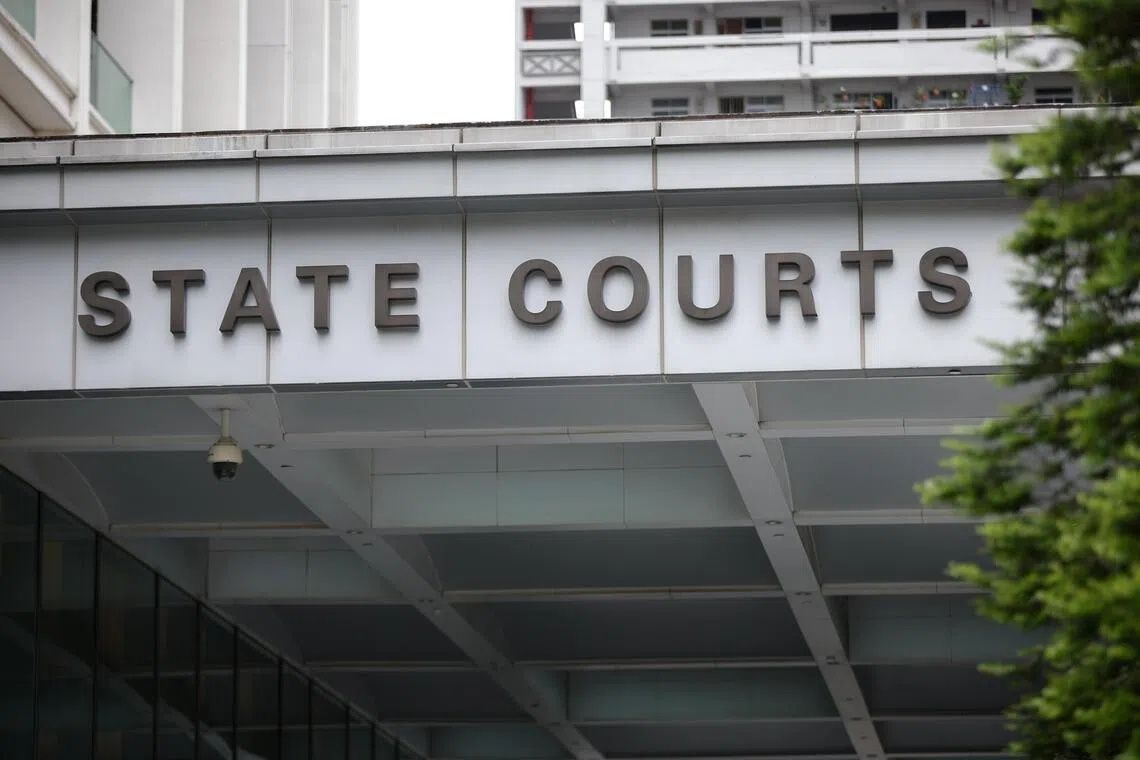
A Singapore court has delivered a significant judgment in a revenge porn case, sentencing a 27-year-old man to two years and eight months' imprisonment and two strokes of the cane for uploading intimate videos of his ex-girlfriend to a social media platform with nearly 80,000 members. The offender was also ordered to pay $4,000 in compensation to the victim, whose life has been severely disrupted by the non-consensual distribution of her private material.
The case originated from a relationship that began in 2016 when the pair were teenagers attending a religious school. At the time, she was 15 years old while he was 17. During their relationship, the victim sent him photographs and at least two videos of herself engaged in sexual acts, as prompted by the accused. The images and videos were created and shared in the context of what appeared to be an intimate relationship between two minors, a detail that compounds the severity of the subsequent actions.
The relationship deteriorated after more than a year, with the victim concluding that the offender was possessive and exhibited toxic behaviour. She made the reasonable decision to end the relationship and took steps to protect her privacy by deleting any intimate material she possessed of him. She explicitly requested that he do the same with her videos and photographs. The offender claimed to comply with her request but in reality retained the intimate footage for his personal viewing.
More than four years later, in April 2021, the offender contacted the victim via messaging to propose reconciliation, despite being in an active relationship with another woman. When the victim did not respond and blocked him on social media, the offender's intentions became malicious. Rather than accept the rejection, he decided to exact revenge by impersonating the victim and uploading her intimate videos to a large social media group. The group, which was part of a platform with millions of users globally, had approximately 80,000 members and would ultimately serve as a distribution channel for his actions.
The consequences for the victim became apparent within a month of the upload. She received a message on Instagram from a stranger who had viewed her intimate images and attempted to proposition her sexually. When she questioned the source of these materials, the stranger provided a direct link to the social media group where her videos were posted. Recognizing that the offender was likely responsible, the victim conducted an undercover investigation by creating a fake identity and infiltrating the group to gather evidence. What she discovered was shocking: the group contained numerous obscene images and videos of women in religious garb, with her own intimate material featured prominently among these posts.
The victim's subsequent police report led to the offender's arrest. During prosecution, Deputy Public Prosecutor Chong Kee En presented a compelling case about the long-term psychological and social damage inflicted on the victim. Nearly five years after the initial crime, the offender's actions continue to reverberate through her life. The victim has experienced estrangement from her mother, ongoing contact from individuals who viewed the videos, and significant disruption to her personal relationships and career prospects. She had previously aspired to become a religious teacher but abandoned this goal out of fear that the discovery of her intimate images within the religious community could result in public humiliation and professional ruin.
The court heard arguments from both the prosecution and defence. The Deputy Public Prosecutor sought a sentence of 30 to 36 months imprisonment along with three strokes of the cane, emphasizing the pervasive harm caused by the offence. The defence counsel, Sean Marican, argued for a more lenient approach, requesting only one year's imprisonment without caning and a reduced compensation order of $500. He characterized the offence as an impulsive act motivated by the offender's anger over rejection, suggesting that this factor should mitigate the sentence.
Principal District Judge Toh Han Li's judgment rejected the defence's minimization of the offence. The judge noted that the offender's deliberate intention was to exact revenge and to harm and humiliate the victim by portraying her as promiscuous, particularly in the context of religious imagery. The judge emphasized that the victim's images and videos were continuing to circulate years after the initial upload, as evidenced by her ongoing receipt of inappropriate contact from strangers. This persistence underscored the enduring nature of the harm caused by non-consensual distribution of intimate material.
This case resonates significantly across Southeast Asia, where digital crimes and issues surrounding consent, particularly in contexts involving religious identity, remain inadequately addressed in many jurisdictions. Singapore's sentencing reflects the severity with which serious revenge porn offences should be treated. Under Singapore law, those convicted of distributing intimate recordings without consent face potential imprisonment of up to five years, fines, caning, or any combination of these penalties. The judicial approach demonstrated here—combining substantial incarceration with corporal punishment and financial compensation—represents a framework that other regional nations may consider as they strengthen protections against digital sexual harassment and exploitation.
The intersection of intimate imagery abuse, religious identity, and the exploitation of minors raises additional layers of concern in this case. The victim was 15 when she created the material, placing the offender in a position of trust as an older teen who actively solicited such content from a minor. This aspect underscores how revenge porn cases frequently involve power imbalances and pre-existing misconduct that prosecutors may need to address separately.
For Malaysian readers and those across the region, this judgment provides important perspective on how courts respond to digital sexual abuse. While Malaysia has legislative frameworks addressing such crimes through laws like the Communications and Multimedia Act and the Penal Code, the consistency and severity of sentencing varies. Singapore's approach demonstrates that judicial systems can and should impose meaningful consequences for those who weaponize intimate imagery as an instrument of revenge and control. The compensation order, though modest at $4,000, acknowledges the material and psychological harm suffered by the victim, setting a precedent that extends beyond symbolic punishment to provide some restitution for the lasting damage caused.

