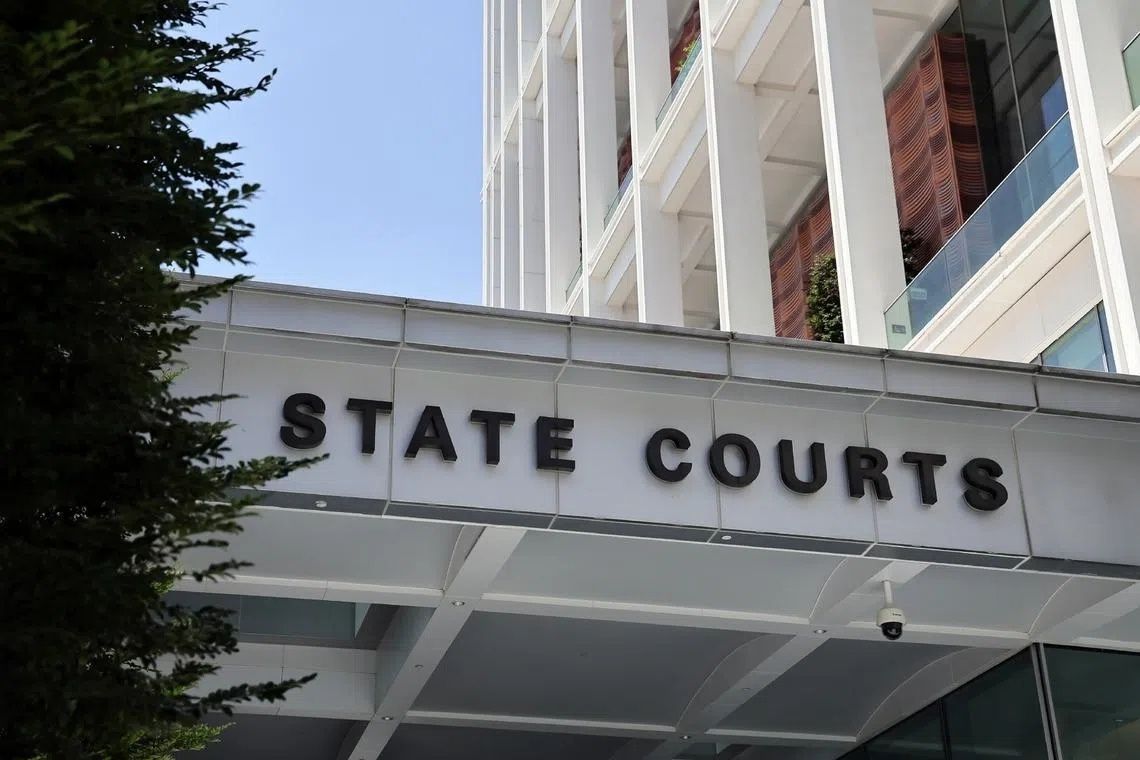
Singapore's courts processed a substantial batch of drink-driving charges on a single day in late June, underscoring the persistent problem of alcohol-impaired driving in the city-state. Among the 41 individuals aged 25 to 68 brought before the district court on June 25, three men faced additional charges relating to a particularly hazardous outcome of their intoxicated state: they allegedly lost consciousness while operating vehicles, creating dangerous blockages on public roads and carpark facilities.
The three drivers whose lapses into sleep while driving were documented by authorities reveal the compounding dangers of combining alcohol consumption with vehicle operation. Tho Yu Wei Ronald, aged 34, left his vehicle abandoned at the entrance of a multi-storey carpark at Block 176 Hougang Street 13 late on the evening of April 30. Testing showed his breath alcohol content reached at least 51 micrograms per 100 millilitres, substantially exceeding Singapore's legal limit of 35 micrograms per 100 millilitres. Similarly, Zhong Pengzhi, 38 years old, parked his car across a lane on Clementi Avenue 5 in the early morning hours of May 9, with breath readings indicating at least 48 micrograms of alcohol per 100 millilitres. Dharuman Killivalavan, a 29-year-old Indian national, was discovered behind the wheel of a lorry along Loyang Avenue on June 15 evening, his vehicle positioned dangerously in the extreme right lane. His breath alcohol content was notably the highest among the three, measuring at least 87 micrograms per 100 millilitres—considerably more than double the legal threshold.
The sentencing outcomes for these three drivers demonstrate Singapore's escalating penalty structure for drink-driving offences. Dharuman chose to enter a guilty plea on the day of his court appearance and received a financial penalty of $7,100 alongside a 36-month driving disqualification. The other two cases proceeded through the legal system without immediate disposition details being disclosed, though both faced charges for drink driving and the ancillary offence of leaving a vehicle in a position that created undue inconvenience to the public.
The batch of 41 charged drivers on June 25 included two individuals with prior convictions for identical offences, signalling a troubling pattern of recidivism within Singapore's drink-driving population. Cheng Woon Siong, aged 44, represented the more severe case of repeat offending. Having been convicted previously in December 2019 for drink driving, Cheng was stopped by police for routine checks and registered a breath alcohol reading of at least 52 micrograms per 100 millilitres. His prior conviction triggered substantially harsher sentencing: imprisonment for one month, a fine of $5,500, and a five-year driving disqualification to commence upon release from detention. The second repeat offender, Koh Choon Lye, 48, was intercepted by police along Tyrwhitt Road on April 16 with a breath alcohol level of at least 51 micrograms per 100 millilitres. Koh's previous drink-driving conviction dated to 2018, meaning his current charge represented a seven-year repeat pattern.
The scale of Singapore's drink-driving enforcement activity becomes apparent when viewed against annual statistics. During 2025, Singapore's Traffic Police arrested 1,716 individuals for drink-driving offences, demonstrating that the June 25 batch of 41 charges represented a notably concentrated enforcement effort within a single judicial sitting. More concerningly, the same year recorded 12 fatal accidents specifically attributable to drink driving, each representing a tragedy that might have been prevented through responsible decision-making about alcohol and motor vehicle operation.
For Malaysian readers, Singapore's robust enforcement approach and severe penalty structure offer instructive comparison to drink-driving enforcement regimes within the region. The Singaporean model combines immediate roadside testing, swift prosecution through the courts, substantial financial penalties, lengthy vehicle disqualifications, and in cases of repeat offending or high alcohol concentrations, custodial sentences. The emphasis on repeat offender prosecution reflects a recognition that some drivers require more intensive intervention than standard first-offence penalties can provide.
Singapore's authorities have emphasised repeatedly that operating a motor vehicle while under the influence of alcohol represents an act of extreme danger to the driver, passengers, and members of the public sharing the road. The three drivers who fell asleep while intoxicated exemplify this reality—their loss of consciousness placed their vehicles as obstacles that could trigger collisions involving entirely innocent parties. The police messaging consistently advocates for alternative transportation methods whenever alcohol consumption is anticipated, recommending taxi services and private-hire vehicle platforms as readily available substitutes to personally driving while impaired.
The concentration of 41 drink-driving charges processed on a single day likely reflects a sustained enforcement campaign by Singapore's Traffic Police rather than an anomalous spike in offending behaviour. Such coordinated processing of multiple cases suggests organised enforcement operations, possibly including sobriety checkpoints or targeted patrols in areas with documented patterns of drink-driving activity. This enforcement strategy aims to create both immediate consequences for offenders and broader deterrence effects across the driving population.
The consistency of breath alcohol readings significantly above the legal threshold across multiple cases suggests that many offenders were not marginally over the limit but substantially intoxicated. Readings of 48 to 87 micrograms per 100 millilitres represent levels where impairment would be obvious to trained observers and measurably affect driving ability. This pattern indicates that enforcement is successfully identifying genuinely dangerous drivers rather than marginal violations that might occur near the legal threshold.
For Southeast Asian policymakers and law enforcement agencies evaluating their own drink-driving enforcement strategies, Singapore's integrated approach combining rapid testing, swift prosecution, substantial penalties, repeat offender monitoring, and consistent public messaging appears to have created a deterrent environment. The relatively concentrated nature of enforcement on specific dates suggests that publicising enforcement operations may contribute to the overall deterrent effect, encouraging drivers to avoid impaired driving on nights when heightened police activity is anticipated or announced.
The broader implications extend beyond immediate traffic safety concerns. Drink-driving enforcement represents a visible and tangible demonstration of law enforcement capacity and judicial efficiency. Singapore's ability to process 41 cases through the courts within a single day reflects institutional capability and resource allocation that creates real consequences for offending behaviour. This swift, certain punishment model differs markedly from jurisdictions where cases may languish in the legal system for extended periods, reducing the deterrent effect of eventual convictions.

