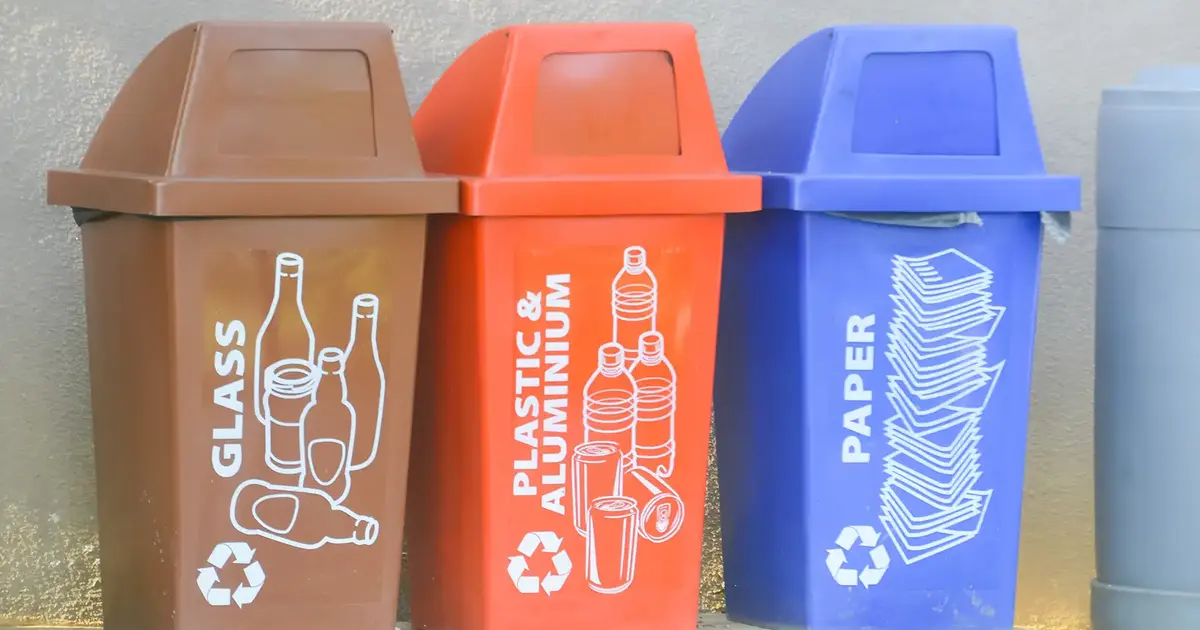
The Selangor government is embarking on a systematic review of its waste management guidelines in partnership with relevant state agencies, recognising that ambiguities in current provisions have created implementation challenges across the state's municipalities. The initiative comes after local government committee chairman Ng Suee Lim publicly acknowledged that the existing regulatory framework allows for divergent interpretations, a problem that has contributed to inconsistent practices across Selangor's local councils.
The recognition of these interpretive gaps represents a significant step towards standardising waste management operations in Malaysia's most urbanised and economically dynamic state. Selangor, home to the Klang Valley conurbation and Malaysia's largest industrial base, faces unique pressures from rapid urban expansion and the need to coordinate waste collection, sorting, and disposal across multiple councils and private contractors. The current guidelines, which have accumulated amendments and clarifications over time, have not been comprehensively restructured to reflect modern waste management practices or the increasing complexity of municipal operations.
Mg Suee Lim's acknowledgment signals a shift towards greater transparency in policy administration. Rather than insisting on a singular interpretation, the local government committee chairman has identified the core problem: provisions written in sufficiently general language can legitimately be read in multiple ways by different stakeholders. This creates friction between state-level policy intent, council-level implementation, and private waste management operators who contract with local authorities.
The implications of unclear guidelines extend beyond administrative inconvenience. Inconsistent interpretation can lead to operational inefficiencies, with some councils adopting stricter standards than others, creating competitive disadvantages and confusion for waste management contractors operating across council boundaries. Residents experience variable service quality depending on their location, while business operators face uncertainty about compliance requirements. The state's ability to meet sustainability targets and reduce landfill dependency becomes compromised when different parts of the administrative apparatus pursue divergent strategies.
For Malaysian readers following municipal governance issues, this review has particular relevance to Selangor's ongoing struggles with waste management capacity. The state has long faced pressure to move beyond landfill-dependent systems, yet investments in waste-to-energy facilities and advanced sorting infrastructure depend on clear, consistent regulatory frameworks that all stakeholders understand identically. When guidelines are ambiguous, investment decisions become riskier and more reluctant.
The review process itself will likely involve consultation with multiple stakeholders, including the local councils, private waste management firms, industry associations, environmental groups, and relevant federal bodies such as the Ministry of Housing and Local Government. This multi-stakeholder approach is essential because waste management crosses jurisdictional lines and involves parties with different interests and constraints. What appears clear to state-level policymakers may present genuine operational challenges for frontline council staff or private contractors managing daily collections.
Regionally, Selangor's experience mirrors challenges facing other rapidly urbanising parts of Southeast Asia. Cities across Thailand, Indonesia, and the Philippines grapple with similar issues: expanding waste volumes, inadequate infrastructure, and administrative frameworks that have not kept pace with urban growth. How Selangor resolves these interpretive ambiguities may offer lessons for neighbouring jurisdictions struggling with comparable problems.
The timeline and scope of the review remain to be detailed, but the willingness of the local government committee to name the problem publicly suggests momentum towards resolution. Whether the review will simply clarify existing provisions through detailed guidance, or whether it will involve more substantial restructuring of the guidelines themselves, will become clearer as the process unfolds. Either approach would represent progress from the current situation.
For residents and businesses in Selangor, clearer guidelines should translate into more predictable, consistent waste management services. For environmental advocates, standardised interpretation creates space to push for upgrading all councils to match the highest-performing jurisdictions, rather than accepting wide variation. For the state government, resolving these ambiguities removes an obstacle to pursuing longer-term sustainability objectives that depend on coordinated, province-wide action.
The initiative also highlights a broader governance challenge in Malaysian local administration: the gap between policy design and implementation clarity. As Selangor continues to assert itself as a policy innovator within Malaysia's federal system, demonstrating capacity to identify problems and systematically address them builds institutional credibility. A transparent, inclusive review process that produces genuinely improved guidelines could become a model for how other states approach similar governance questions.

